
Product Details
- Home
- PHILIPPINES – PEARL OF PARADISE: I-TEN-AIR-RARE-RE:™


PHILIPPINES – PEARL OF PARADISE: I-TEN-AIR-RARE-RE:™3 Days / 2 NightsFlexible Dates
$1,400 – $3,700Price range: $1,400 through $3,700
The price shown is per person, not per room. Use the quantity selector to choose the number of travelers and see your total price.
Limited packages available. Secure yours today with a 10% deposit.
THE L.U.X. PROMISE: THE ART OF TOTAL IMMERSION

ZERO FRICTION
At MASX, our guiding principle is LUX: Live Ultimate Xperiences — where true luxury is the freedom to stay present and fully immersed in the moment. To ensure your connection to the city’s quiet rhythm remains uninterrupted, we operate under a strict, silent protocol:

You aren’t led by a “guide.” You are accompanied by a N.I.T.E. Insider. They are local expert guides who help you Navigate Immersive Travel Experiences. They are your sophisticated peers, your cultural translators, and your partners in after-dark cultural experiences that will open doors that don’t exist on any map.

THE ARTIFACTS
Your journey exists in two worlds. The Black Passport is your shared tactile anchor — a physical relic to hold in your hands. The Digital Artifact is your high-fidelity digital legacy — a cinematic film to revisit together.
A physical book that preserves the story of your experience.
Your story is captured as it happens. Seven days after your experience, you will receive a curated collection of captured moments from the experience.
OVERVIEW
Some destinations are remembered for their scenery. Others for the people you meet along the way. El Nido is extraordinary because its greatest beauty lies in the connection between the two. I-TEN-AIR-RARE-RE: EL NIDO is a three-day journey through one of the Philippines’ most celebrated island destinations, where dramatic limestone cliffs, hidden lagoons, vibrant local communities, and a deep respect for nature come together to create an experience that is both breathtaking and deeply meaningful. Rather than simply visiting famous viewpoints and beaches, each carefully curated experience reveals the stories, traditions, and values that have shaped this remarkable corner of Palawan.
Over three thoughtfully curated days, discover El Nido beyond its postcard-perfect landscapes. Meet the community that brings the town to life, venture across turquoise waters to hidden lagoons and secluded beaches, and experience the timeless Filipino traditions of healing, hospitality, and shared meals. Learn how local people are protecting the paradise they proudly call home before gathering around a traditional Kamayan feast that celebrates generosity, togetherness, and belonging. Here, paradise is not simply something you admire from afar — it is something you experience, protect, and ultimately share.
ITINERARY
Day 1: Beyond the Postcard
Some destinations begin with famous landmarks. El Nido begins with the people who have called these islands home for generations.
RE01: WHERE ISLAND LIFE BEGINS
Before El Nido reveals its world-famous limestone cliffs and turquoise waters, it first offers a glimpse into the everyday rhythm of island life. As you leave the airport behind, your journey to Lio Beach passes through peaceful neighbourhoods where children cycle along quiet roads, neighbours gather outside sari-sari stores, fishermen prepare their boats, and coconut palms sway above modest family homes. Long before El Nido became one of the Philippines' most celebrated destinations, it was a close-knit fishing community, and that sense of simplicity and togetherness continues to shape daily life today. Arriving at Lio Beach, take time to slow down over lunch or a quiet stroll along the shoreline, where families, friends, and visitors naturally share the same relaxed space. Here, paradise is not something that was created. It is simply where everyday life happens.
RE02: ABOVE BACUIT BAY
Some landscapes can only be fully appreciated once you see them from above. Set out on the Taraw Cliff Canopy Walk, where guided walkways, suspension bridges, and secure platforms lead you across dramatic limestone formations overlooking Bacuit Bay. As the panorama gradually unfolds, countless emerald islands rise from crystal-clear waters, revealing the extraordinary geography that has made El Nido one of Southeast Asia's most iconic coastal destinations. These towering karst cliffs were formed over millions of years beneath an ancient sea, creating a landscape found in only a handful of places around the world. Standing above the bay, tomorrow's island-hopping adventure transforms from an itinerary into a horizon filled with places waiting to be explored.
RE03: WHEN EL NIDO COMES TOGETHER
As daylight fades, El Nido Town Proper settles into the part of the day many locals cherish most. Boats return to shore, seafood grills begin to fill the air with inviting aromas, and visitors slowly gather along streets where conversations seem to begin as naturally as the evening breeze. Wander through the lively town centre, where travellers exchange stories of the day's discoveries while local families enjoy dinner together and musicians bring familiar Filipino melodies to life with relaxed acoustic performances. Unlike destinations built around nightlife, El Nido's evenings are shaped by community, where the warmth of the people becomes as memorable as the scenery itself. Before long, you may find yourself sharing recommendations, laughter, or a simple conversation with someone you had never met before. In El Nido, strangers rarely remain strangers for long.
DAY 1 I-TEN-AIR-RARE-RE: ITINERARY
RE01: Lio Beach
RE02: Taraw Cliff
RE03: El Nido Town Proper
Day 2: Where the Sea Keeps Its Secrets
Every journey across Bacuit Bay reveals something new. In El Nido, the greatest wonders are often the ones hidden just beyond the next limestone cliff.
RE04: WHERE THE ISLANDS OPEN
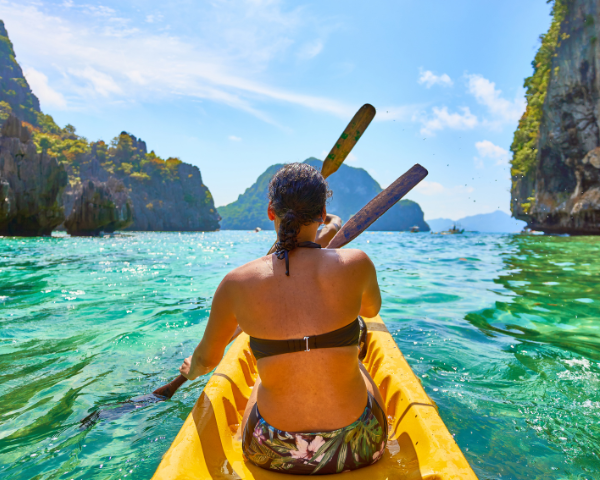
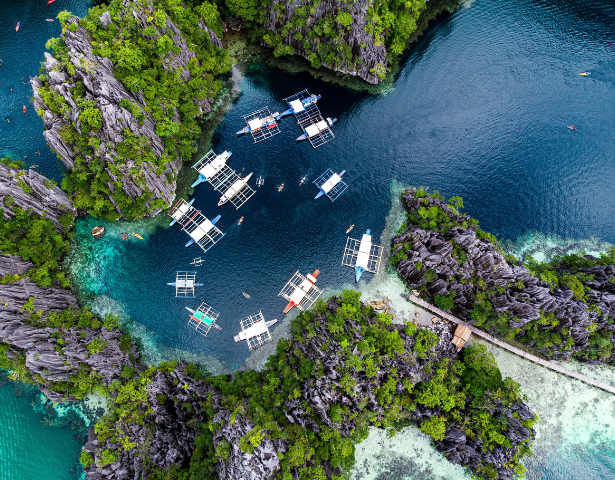
Step aboard a traditional banca and set sail across the turquoise waters of Bacuit Bay, where towering limestone cliffs rise dramatically from the sea. Every island seems to conceal another beyond it, creating a journey shaped as much by anticipation as by the scenery itself. Arrive at the breathtaking Big Lagoon, where calm emerald waters are enclosed by ancient limestone formations that began life as coral reefs millions of years ago before being lifted above the ocean. Whether exploring by kayak or simply drifting through the peaceful waters, this is where many travellers first understand why El Nido is regarded as one of the world's most extraordinary island landscapes.
RE05: BEYOND HIDDEN SHORES
Some of El Nido's greatest treasures are designed by nature to remain unseen until the very last moment. Swim through a narrow opening in the limestone cliffs to discover Secret Beach, a secluded stretch of white sand hidden entirely from the open sea. Later, continue to nearby Shimizu Island, where vibrant coral reefs and crystal-clear waters reveal the extraordinary marine life that thrives beneath Bacuit Bay. Whether snorkeling among colourful tropical fish or simply taking in the dramatic limestone scenery, every stop reveals another reason why El Nido remains one of the Philippines' most remarkable island destinations.
RE06: WHERE THE SEA GROWS QUIET
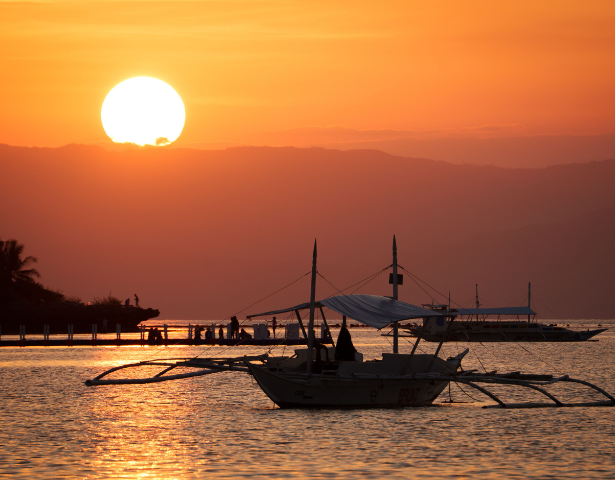
As the afternoon unfolds, arrive at Cadlao Island, the largest island in the Bacuit Archipelago and one of its most peaceful corners. Far from the busier lagoons, the atmosphere slows naturally, with calm beaches, gentle waves, and panoramic views stretching across the surrounding limestone islands. Here, there is little urgency beyond enjoying the rhythm of the sea, reflecting on the day's journey, or simply appreciating the remarkable landscapes that have made El Nido one of the Philippines' most celebrated natural destinations. It is a quiet finale before returning to the mainland.
RE07: THE ART OF FILIPINO HEALING
After returning to the mainland, discover a different side of Filipino culture through Hilot, one of the country's oldest living healing traditions. Long before modern wellness centres became popular, generations of Filipinos relied on skilled manghihilot practitioners, who believed that mindful touch, natural oils, and a deep understanding of the body could restore balance and wellbeing. Following a full day of kayaking, swimming, and exploring Bacuit Bay, experience this time-honoured practice before heading out for dinner. Restored in both body and spirit, conclude the evening with fresh local seafood and the relaxed atmosphere of El Nido, where conversations, laughter, and live acoustic music often carry gently into the night.
DAY 2 I-TEN-AIR-RARE-RE: ITINERARY
RE04: Big Lagoon
RE05: Secret Beach
RE06: Cadlao Island
RE07: Traditional Hilot Experience
Day 3: Paradise Shared
The true measure of a destination is not only what it reveals to its visitors, but how it chooses to preserve it for generations to come.
RE08: WHERE EVERYDAY LIFE BEGINS
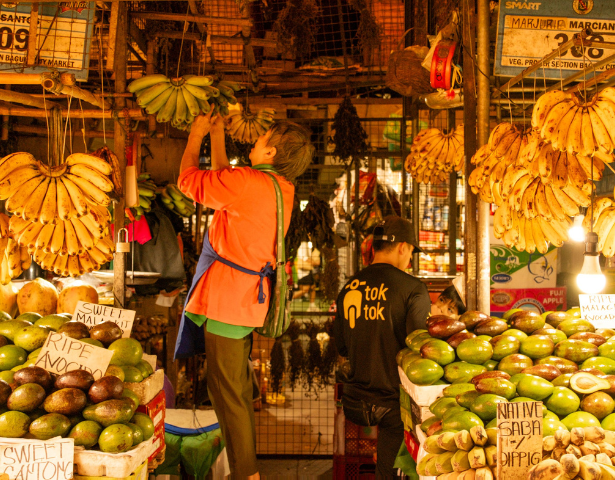
Before the town fully awakens, wander through El Nido Public Market, where the rhythms of daily life have remained largely unchanged despite the destination's growing international fame. Fishermen unload the morning's catch while local families browse fresh seafood, tropical fruits, vegetables, and everyday essentials. As friendly conversations unfold between neighbours and vendors, discover how the ocean continues to shape both livelihoods and local traditions. More than a place to shop, the market offers a genuine glimpse into the community that exists beyond the postcard-perfect beaches.
RE09: THE FUTURE OF PARADISE
Paradise is not preserved by chance. It is protected through thousands of small decisions made every day by the people who call El Nido home. Beyond its breathtaking scenery, El Nido has become one of the Philippines' leading examples of how tourism, local communities, and nature can grow together. Through an interactive conservation experience with local experts or community initiatives, discover how coral reefs are restored, mangroves are protected, sustainable tourism is encouraged, and marine ecosystems are safeguarded for future generations. Rather than simply admiring paradise, gain a deeper understanding of the responsibility that comes with it. Here, preserving El Nido is not viewed as a separate project — it is part of everyday life and an investment in the future of both the community and the islands they proudly call home.
RE10: WHEN STRANGERS BECOME FAMILY
Every culture has its own way of welcoming people to the table. In the Philippines, few experiences capture this spirit better than Kamayan — a traditional shared meal enjoyed with the hands, where freshly prepared seafood, grilled meats, vegetables, tropical fruits, and rice are served together across banana leaves. More than a style of dining, Kamayan celebrates togetherness, generosity, and the belief that good food is meant to be shared. As your journey through El Nido comes to a close, gather around the table one last time and experience the warmth that has quietly accompanied every step of your adventure. Here, paradise is not simply something you discover — it is something you share.
DAY 3 I-TEN-AIR-RARE-RE: ITINERARY
RE08: El Nido Public Market
RE09: Community Conservation Experience
RE10: Traditional Kamayan Lunch
I-TEN-AIR-RARE-RE: EL NIDO
OVERVIEW
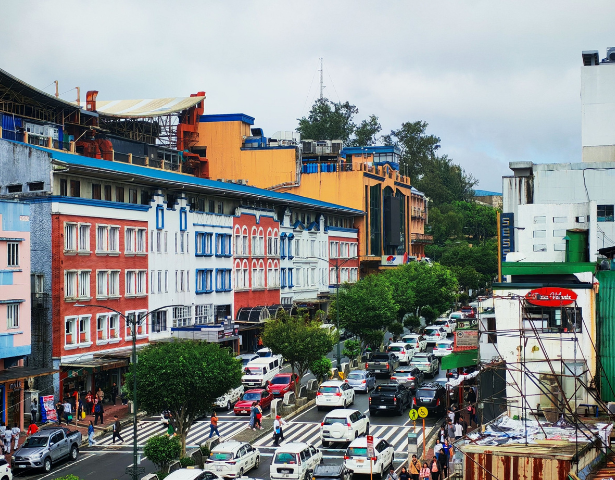
Baguio is often celebrated for its cool mountain climate and pine-covered hills, but the city’s true character lies in the people, traditions, and landscapes that have shaped it for generations. I-TEN-AIR-RARE-RE: BAGUIO is a three-day journey through the heart of the Cordilleras, where everyday life, indigenous heritage, artistic expression, and the surrounding highlands come together to reveal a side of the Philippines that is both peaceful and deeply authentic. Rather than simply visiting well-known attractions, each carefully curated experience uncovers the stories and communities that continue to give Baguio its distinctive identity.
Over three thoughtfully curated days, discover the city’s historic streets, experience the creativity of the Cordillera through hands-on workshops and local craftsmanship, and meet the farmers whose work sustains both Baguio and the surrounding region. Share conversations over Benguet coffee, wander beneath towering pine forests, and conclude your journey overlooking the mountains that have quietly connected every experience along the way. Here, Baguio is more than a mountain retreat — it is a place where culture, community, and nature continue to thrive together.
ITINERARY
Day 1: The Rhythm of Baguio
Life in Baguio moves to a different rhythm, where cool mountain air, welcoming streets, and everyday traditions invite you to slow down.
RE01: WHERE THE CITY BEGINS
Every city has a street that tells its story. In Baguio, that place is Session Road, where generations of residents have gathered to work, meet, celebrate, and begin each new day. Its name dates back to 1904, when the Philippine Commission held its first sessions here, marking the beginning of Baguio's role as the country's Summer Capital. Today, the street remains the commercial heart of the city, lined with long-established businesses, independent cafés, bakeries, bookstores, and local shops that continue to shape everyday life. Pause for a cup of locally grown Benguet Arabica coffee, cultivated in the surrounding highlands where the cool mountain climate creates beans known for their balanced flavour and gentle sweetness. As office workers, students, and familiar faces move through the city, your first introduction to Baguio is not through its scenery, but through the quiet routines that have defined it for generations.
RE02: WHERE BAGUIO UNWINDS
As the afternoon light softens, the pace of the city changes almost effortlessly. Leave the busy streets behind and arrive at Burnham Park, the green heart of Baguio, where locals have gathered for recreation and relaxation for more than a century. Designed as part of Daniel Burnham's master plan for the city, the park continues to serve as Baguio's shared backyard, welcoming families, friends, students, and visitors into the same open space. Take to the lake aboard a traditional rowing boat as the golden light reflects across the water and the surrounding pine trees begin to glow in the evening sun. Around you, children ride bicycles, couples stroll along tree-lined paths, and neighbours enjoy the cool mountain air after the working day comes to an end. More than a famous landmark, Burnham Park reveals how Baguio slows down, reconnects, and quietly comes together before night falls.
RE03: WHEN THE STREETS COME ALIVE
As evening settles over Baguio, the sound of acoustic guitars drifting from nearby cafés accompanies your walk toward Harrison Road, where one of the city's most distinctive nightly traditions is about to unfold. After traffic clears, vendors quickly transform an ordinary roadway into a bustling night market, assembling rows of clothing racks, food stalls, and glowing tents in a remarkable display of community and routine. Wander among locals searching for hidden bargains, browse the famous ukay-ukay stalls, and sample everything from grilled street favourites to local mountain delicacies. More than a place to shop or eat, Harrison Road reveals how Baguio comes together after dark, where conversation, laughter, and everyday life continue long after the last car has passed.
DAY 1 I-TEN-AIR-RARE-RE: ITINERARY
RE01: Benguet Coffee at Session Road
RE02: Burnham Park
RE03: Harrison Road Night Market
Day 2: The Creative Highlands
Long before Baguio became the Philippines’ Summer Capital, the traditions of the Cordillera highlands shaped the city it is today.
RE04: WHERE TRADITIONS LIVE ON
Begin the day at Tam-Awan Village, a cultural sanctuary where the traditions of the Cordillera continue to be shared through both heritage and creativity. Traditional huts relocated from the surrounding highlands stand among pine trees and quiet pathways, offering a glimpse into ways of life that have endured for generations. Beyond exploring the village, take part in one of Tam-Awan's hands-on cultural workshops, led by local artists and craftspeople who continue to pass on traditional skills through painting, printmaking, or other creative activities available on the day. Rather than simply learning about the Cordilleras, discover its living culture through the people who continue to shape it.
RE05: THREADS OF TRADITION
Some traditions are best understood by watching the hands that keep them alive. Visit Easter Weaving Room, where skilled artisans continue the Cordilleran weaving traditions that have become an enduring symbol of the region's identity. Observe the careful rhythm of wooden looms as colourful textiles gradually take shape, each pattern carrying meanings inspired by community, ancestry, and the natural world. As you speak with the weavers and learn about the patience and craftsmanship behind every piece, discover how a centuries-old tradition continues to support local livelihoods while preserving the cultural identity of the highlands.
RE06: WHERE HERITAGE INSPIRES
The story of the Cordilleras does not end with tradition — it continues to inspire new generations of artists. Nestled among the forests overlooking Asin Valley, BenCab Museum celebrates the work of National Artist Benedicto Cabrera alongside exhibitions of contemporary Philippine art and indigenous cultural heritage. Wander through thoughtfully curated galleries before pausing to enjoy the peaceful mountain surroundings, where nature and creativity exist side by side. Here, discover how the landscapes, people, and traditions you've experienced throughout the day continue to shape the artistic identity of Baguio today.
RE07: WHERE THE FOREST HEALS
Conclude the day beneath the towering pine trees of Camp John Hay, where peaceful forest trails reveal the quieter side of Baguio. As sunlight filters through the canopy and the scent of pine fills the cool mountain air, experience the restorative atmosphere that has drawn visitors here for more than a century. As evening approaches, settle into a neighbourhood café where locals gather to unwind after the day. Over a cup of Benguet coffee or a refreshing drink, conversations often begin as naturally as the mountain breeze. With your N.I.T.E. Navigator helping bridge introductions when the moment feels right, today's discoveries continue not through exhibits or workshops, but through the stories shared by the people who proudly call Baguio home.
DAY 2 I-TEN-AIR-RARE-RE: ITINERARY
RE04: Tam-Awan Village
RE05: Easter Weaving Room
RE06: BenCab Museum
RE07: Camp John Hay Forest Bathing
Day 3: Beyond the City
Baguio’s story extends far beyond the city itself, into the mountains and communities that have sustained it for generations.
RE08: WHERE EVERY CUP BEGINS
Before Benguet coffee reaches the cafés of Baguio, it begins its journey on the mountain slopes surrounding the city. Visit a local coffee farm, where generations of farmers have cultivated Arabica beans in the cool highland climate that gives Benguet coffee its distinctive character. Walk through the plantation, learn about the growing and roasting process, and, if the season allows, experience harvesting alongside the people who have dedicated their lives to the craft. As you share stories over a freshly brewed cup, discover that every cup of coffee carries not only the flavour of the mountains, but also the knowledge, patience, and pride of the community behind it.
RE09: THE HIGHLANDS THAT SUSTAIN A CITY
Continue into the Benguet highlands, where fertile valleys and cool mountain weather have long supplied Baguio with fresh produce, flowers, and some of the Philippines' finest strawberries. Visit a local farm to discover how generations of farming families have adapted to life in the mountains while helping sustain the region's economy and food culture. Depending on the season, stroll through the fields, harvest fresh produce, or enjoy fruit picked straight from the farm before sitting down to a farm-to-table lunch prepared with fresh local ingredients. Every meal becomes a reminder that the landscapes surrounding Baguio are not only beautiful — they continue to nourish the city every single day.
RE10: BEFORE THE MOUNTAINS FADE
Every meaningful journey deserves a quiet ending. Before leaving the Cordilleras behind, pause at a mountain café overlooking the surrounding highlands with one final cup of locally grown Benguet coffee. From here, the landscapes stretching into the distance are no longer simply beautiful — they are now familiar. They are the forests you walked through, the traditions you discovered, the artists and farmers you met, and the communities that welcomed you along the way. As your journey continues beyond the mountains, leave with more than photographs of Baguio. Leave with a deeper understanding of the people, culture, and landscapes that have made this remarkable city feel like home.
DAY 3 I-TEN-AIR-RARE-RE: ITINERARY
RE08: Benguet Coffee Farm
RE09: Benguet Highlands Farm Lunch
RE10: Mountain Café
I-TEN-AIR-RARE-RE: BAGUIO
OVERVIEW
Some destinations are remembered for their natural wonders. Others for the communities that preserve them. Bohol is extraordinary because its greatest story lies in the harmony between the two. I-TEN-AIR-RARE-RE: BOHOL is a three-day journey through one of the Philippines’ most treasured islands, where ancient limestone landscapes, lush forests, peaceful rivers, thriving coral reefs, and generations of environmental stewardship come together to create an experience that is both inspiring and deeply authentic. Rather than simply visiting Bohol’s most celebrated landmarks, each carefully curated experience reveals how the island’s people have learned to live alongside nature, protecting the landscapes and wildlife that continue to define its identity.
Over three thoughtfully curated days, embrace the gentle rhythm of island life as you wander along quiet shores, venture beneath the island’s limestone landscape, encounter one of the world’s rarest primates, drift through rivers that have sustained local communities for generations, and discover a small island where conservation transformed an entire way of life. Along the way, meet the people whose stories reveal that Bohol’s greatest treasure is not only its remarkable scenery, but the enduring relationship between nature and those who call it home. Here, the island is more than a destination to admire — it is a place where people and nature continue to thrive, together.
ITINERARY
I-TEN-AIR-RARE-RE: BOHOL
Day 1: Island Beginnings
In Bohol, time seems to soften. Carried by warm sea breezes and the gentle rhythm of island life, every moment invites you to slow down.
RE01: WHERE THE ISLAND BREATHES
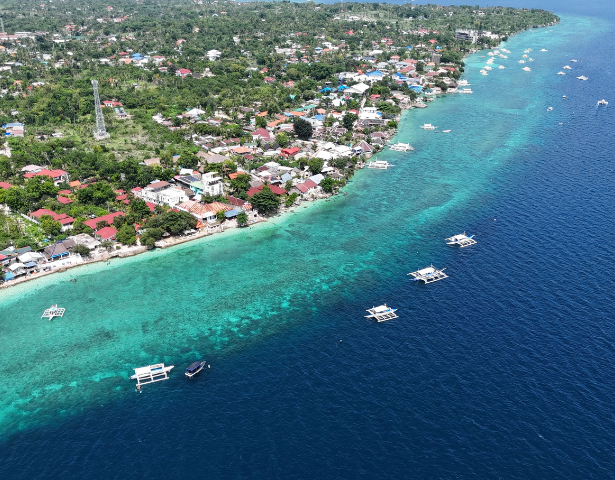
Before Bohol reveals its famous natural wonders, it first introduces you to the pace of everyday island life. Arrive at Alona Beach, where colourful outrigger boats rest beside white sand, fishermen return from the sea, and cafés, restaurants, and small local businesses stretch along one of Panglao Island's most vibrant coastlines. Once a quiet fishing village, Alona has grown into Bohol's best-known beach destination while preserving the relaxed atmosphere that continues to define the island today. Pause for freshly grilled seafood or tropical refreshments as the gentle rhythm of the shoreline replaces the urgency of everyday life. Around you, families gather by the water, travellers linger over long conversations, and the sea quietly reminds you that in Bohol, slowing down is not simply encouraged — it is part of the island's way of life.
RE02: BENEATH THE ISLAND
Just a short drive from the coast, discover that some of Bohol's greatest wonders lie hidden beneath the landscape itself. Descend into Hinagdanan Cave, a naturally illuminated limestone cavern where sunlight filters through openings in the ceiling, revealing crystal-clear freshwater surrounded by dramatic stalactites and centuries-old rock formations. According to local legend, the cave was discovered by chance when a farmer followed the roots of a tree that had broken through the limestone above, giving the cave its name, which means "laddered" after the wooden ladder first used to enter it. Long before Bohol became known for its beaches and Chocolate Hills, nature had already been quietly shaping extraordinary worlds beneath the surface. Your first glimpse into this hidden landscape offers an introduction to the remarkable geology that continues to define the island today.
RE03: WHEN THE ISLAND GATHERS
As the sun begins to set, Alona Beach takes on a different character without ever losing its relaxed spirit. Beachfront restaurants gradually fill with families, friends, and visitors sharing fresh seafood as the scent of charcoal grills drifts through the evening air. Acoustic guitars and live musicians provide an easy soundtrack to the night, blending naturally with the sound of gentle waves reaching the shore. Unlike destinations where nightlife revolves around crowds and bright lights, evenings in Bohol unfold at an unhurried pace. Stay a little longer over freshly grilled seafood, a local beer, or a tropical fruit shake as acoustic musicians provide an easy soundtrack to the night. Around you, families, friends, and travellers share the same beachfront, where conversations begin effortlessly and often continue long after dinner has finished. Beneath the stars and beside the sea, your first day ends not with excitement, but with the simple pleasure of being exactly where you are.
DAY 1 I-TEN-AIR-RARE-RE: ITINERARY
RE01: Alona Beach
RE02: Hinagdanan Cave
RE03: Beach Side After Dark
Day 2: Living With Nature
Some places protect nature because it is beautiful. In Bohol, generations have learned that caring for the island is simply a way of life.
RE04: WHERE NATURE COMES FIRST
Long before the Philippine tarsier became one of the country's most recognised wildlife symbols, these tiny primates had already found refuge within Bohol's forests. Begin the day at the Philippine Tarsier Sanctuary, where conservation takes priority over tourism and every visit supports the long-term protection of one of the world's smallest and oldest surviving primates. Walking quietly beneath the forest canopy, discover why tarsiers depend on peaceful surroundings and how local conservation efforts have helped preserve their fragile habitat. Here, the experience is not about getting closer to wildlife, but about learning when to step back. In Bohol, respect for nature begins by allowing it to remain wild.
RE05: A LANDSCAPE SHAPED BY TIME
Leaving the sanctuary behind, continue through the cool shade of the Bilar Man-Made Forest, where thousands of towering mahogany trees create one of Bohol's most recognisable scenic drives. Planted by local students and volunteers as a reforestation project more than half a century ago, the forest stands today as a reminder that landscapes can also be created through generations of care. Beyond the trees, the scenery gradually opens to reveal the iconic Chocolate Hills, a geological wonder of more than 1,200 limestone mounds formed naturally over millions of years. Together, these two landscapes tell a remarkable story of Bohol itself — one shaped not only by nature, but also by the people who continue to protect it.
RE06: WHERE THE RIVER SUSTAINS LIFE
Flowing gently through the heart of Bohol, the Loboc River has long supported the communities that settled along its banks. Step aboard a traditional river cruise and drift beneath lush tropical forests while village life quietly unfolds around you. Enjoy a leisurely lunch featuring regional flavours as local musicians provide a warm welcome through songs that reflect Loboc's long musical tradition, a heritage that continues to shape the town today. More than a scenic journey, the river offers a glimpse into a way of life where culture, community, and nature remain closely connected, just as they have for generations.
RE07: WHEN THE ISLAND WHISPERS
As daylight fades, Bohol reveals one of its quietest yet most memorable experiences. Venture onto the calm waters of the Abatan River, where thousands of fireflies begin to illuminate the mangrove trees beneath an increasingly star-filled sky. In the stillness of the evening, the sounds of birds give way to insects, gentle paddles disturb the water only briefly, and distant music from nearby communities occasionally drifts across the river. Recognised as one of Bohol's signature eco-tourism experiences, the firefly sanctuary reflects the island's commitment to protecting the delicate ecosystems that allow nature to flourish long after sunset. Here, Bohol asks for nothing more than your patience, your silence, and your willingness to simply observe.
DAY 2 I-TEN-AIR-RARE-RE: ITINERARY
RE04: Tarsier Sanctuary
RE05: Bilar Man-Made Forest & Chocolate Hills
RE06: Loboc River Cruise
RE07: Abatan River Firefly Tour
Day 3: The Sea That Gives Back
Beyond Bohol’s famous landscapes lies another story waiting offshore, where generations of islanders have learned that the future of the sea depends on those who call it home.
RE08: WHERE THE SEA PROVIDES
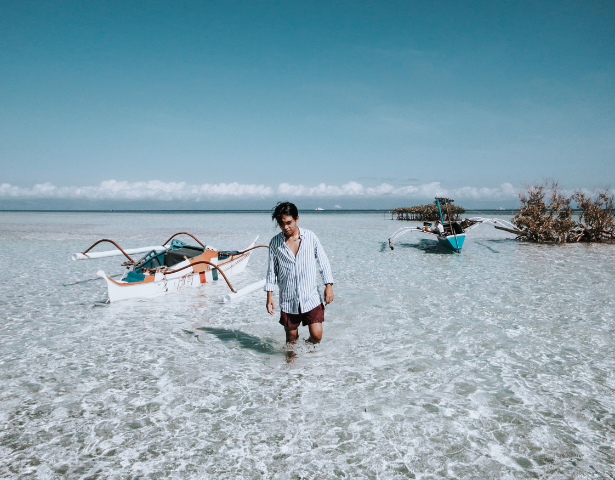
As the morning sun rises over the Bohol Sea, board a traditional banca and journey towards Pamilacan Island, a small community whose history has always been closely tied to the ocean. For generations, the sea provided food, livelihoods, and identity for the families who settled here. Today, the island is known not only for its crystal-clear waters but also for its commitment to protecting the rich marine life that surrounds it. As you arrive, meet the peaceful rhythm of island life, where fishing boats line the shore, neighbours greet one another by name, and daily routines continue much as they have for decades. Before exploring the sea itself, begin by understanding the people whose lives have always depended upon it.
RE09: WHERE THE OCEAN THRIVES
Step into the clear waters surrounding Pamilacan and discover why this small island has become one of Bohol's most celebrated marine environments. Snorkel above vibrant coral gardens where tropical fish, giant clams, and colourful reef life flourish beneath the surface, reflecting years of community-led conservation and responsible stewardship. Depending on sea conditions and the season, dolphins are often seen in the surrounding waters, while the island's long relationship with marine wildlife continues to shape local life today. Afterwards, enjoy a relaxed island lunch featuring freshly prepared local dishes, where the flavours of the sea become a natural extension of everything you have experienced throughout the morning. Here, the ocean is not simply admired — it is respected, protected, and shared.
RE10: WHERE THE FUTURE BEGAN
As the afternoon light begins to soften, slow the pace once more before leaving Pamilacan behind. Gather with your local island guide and members of the community to discover how this small island transformed from a place once known for hunting whales and dolphins into one that now protects the very marine life that surrounds it. Through stories passed down across generations, learn how conservation gradually reshaped livelihoods, allowing tourism and environmental stewardship to create a different future for the island's families. As the golden hour casts its final light across the shoreline, fishing boats drift quietly back towards the village and another day on the island gently comes to an end. Soon, you board your banca for the journey back to the mainland, carrying with you more than memories of beautiful landscapes. You leave with a deeper appreciation for the people whose commitment continues to preserve the extraordinary natural world you have experienced throughout your journey.
DAY 3 I-TEN-AIR-RARE-RE: ITINERARY
RE08: Pamilacan Island
RE09: Marine Conservation & Island Lunch
RE10: Sunset at Pamilacan
INCLUDES
- 3 Days / 2 Nights Accommodation (4★ Hotel)
- All transportation within the experience
- Breakfast, lunch, dinner, snacks and drinks
- The artifacts (Black Passport & Digital artifact)
- English-speaking N.I.T.E. Navigator
- All admissions and activities outlined in the itinerary
- International airfare to Philippines
- Travel insurance (highly recommended)
- Visa fees (if applicable)
- Personal expenses & additional purchases outside the curated experience