
Product Details
- Home
- INDIA – ETERNAL EUPHORIA: LIGHT UP THE NIGHT™
INDIA – ETERNAL EUPHORIA: LIGHT UP THE NIGHT™Ayodhya & Udaipur: 5 Days / 4 Nights and Varanasi: 4 Days / 3 NightsAyodhya & Udaipur: November 6 – November 10, 2026
Varanasi: November 23 – November 26, 2026
$1,600 – $4,300Price range: $1,600 through $4,300
The price shown is per person, not per room. Use the quantity selector to choose the number of travelers and see your total price.
Limited packages available. Secure yours today with a 10% deposit.
THE L.U.X. PROMISE: THE ART OF TOTAL IMMERSION

ZERO FRICTION
At MASX, our guiding principle is LUX: Live Ultimate Xperiences — where true luxury is the freedom to stay present and fully immersed in the moment. To ensure your connection to the city’s quiet rhythm remains uninterrupted, we operate under a strict, silent protocol:

You aren’t led by a “guide.” You are accompanied by a N.I.T.E. Insider. They are local expert guides who help you Navigate Immersive Travel Experiences. They are your sophisticated peers, your cultural translators, and your partners in after-dark cultural experiences that will open doors that don’t exist on any map.

Your journey exists in two worlds. The Black Passport is your shared tactile anchor — a physical relic to hold in your hands. The Digital Artifact is your high-fidelity digital legacy — a cinematic film to revisit together.
A physical book that preserves the story of your experience.
Your story is captured as it happens. Seven days after your experience, you will receive a curated collection of captured moments from the experience.
OVERVIEW
Each year, Deepotsav transforms Ayodhya into one of India’s most extraordinary celebrations of light, faith, and togetherness. LIGHT UP THE NIGHT: AYODHYA is a journey into the spiritual heart of the Festival of Lights, where sacred temples, glowing riverbanks, and centuries-old traditions come together to create an experience that is both breathtaking and deeply meaningful. Revered as the legendary birthplace of Lord Ram, Ayodhya offers a rare opportunity to experience Diwali in the city where its most cherished story is believed to have begun.
Across five days, the journey moves beyond the spectacular Deepotsav and into the traditions that give the festival its lasting significance. Through temples, local communities, festive markets, family customs, and moments of quiet reflection, guests are invited not only to witness Diwali, but to understand the faith, gratitude, and sense of community that continue to keep it alive today. The result is a deeper understanding of Diwali and a lasting connection to Ayodhya, its people, and one of India’s most treasured celebrations.
ITINERARY
AYODHYA
Day 1: The City of a Million Lights
MARIGOLD WELCOME
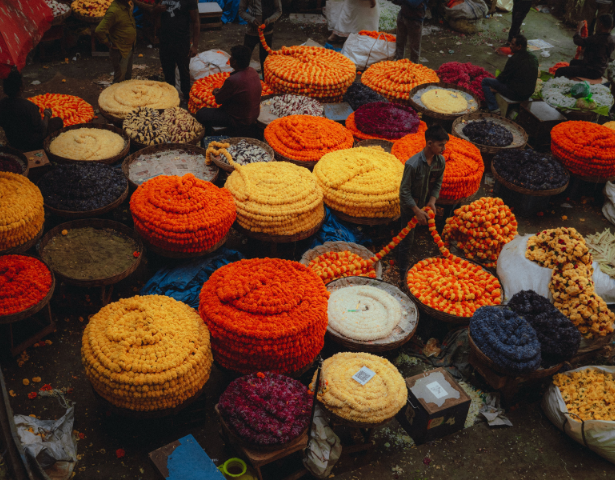
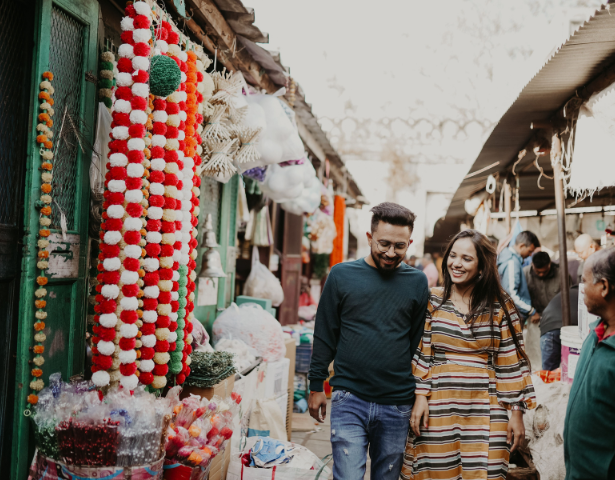
Your Diwali journey begins as Ayodhya prepares for one of the world's most extraordinary celebrations. Streets are dressed in vibrant marigold garlands, colourful decorations brighten temples and neighbourhoods, and the unmistakable scent of fresh flowers and incense drifts through the warm afternoon air. Around every corner, local families make their final preparations for Deepotsav, Ayodhya's grand Festival of Lights creating an atmosphere filled with excitement and anticipation. This is more than a city preparing for a festival. It is the birthplace of a story that has been celebrated for generations. As your N.I.T.E. Navigator introduces the traditions behind the festivities ahead, your first moments in Ayodhya reveal a community eagerly awaiting the arrival of a night unlike any other.
DHANTERAS BAZAARS
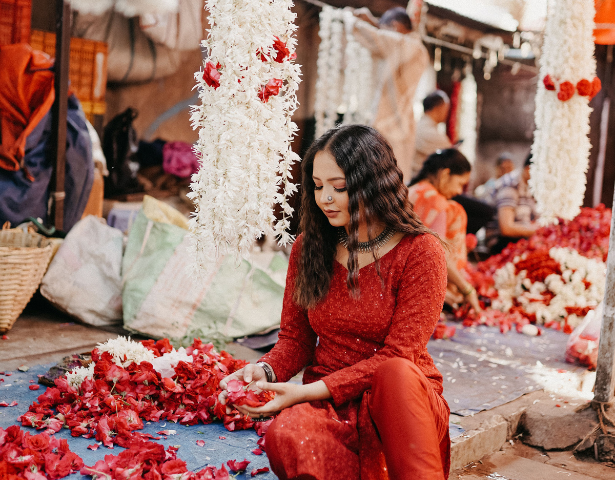
The festive markets of Ayodhya offer the perfect introduction to the traditions that make Deepotsav so special. Wander through lively streets lined with handcrafted clay diyas, fragrant flowers, colourful rangoli powders, festive decorations, and beautifully arranged displays of traditional Indian sweets known as mithai. Listen as local vendors share the significance of the items surrounding you, each playing a small part in the celebrations unfolding across the city. Before leaving, choose a handcrafted clay diya of your own. It is a simple keepsake, but one that will soon become part of your own Deepotsav experience. More than shopping, this is your first opportunity to connect with the traditions that have brought families together here for generations.
WHEN THE RIVER GATHERS
As the afternoon slowly gives way to evening, make your way to the sacred banks of the Saryu River, where thousands of people begin gathering in quiet anticipation. The gentle sound of temple bells carries across the water as priests prepare for the evening aarti, a ceremony of light and prayer that has long been part of Ayodhya's spiritual life. Join devotees and visitors alike as flickering flames, devotional chants, and drifting incense create a peaceful atmosphere beside the river. While Deepotsav is celebrated for its spectacular display of lights, this quieter moment reminds you that the festival begins with faith, gratitude, and community before the city bursts into celebration.
A RIVER OF STARS
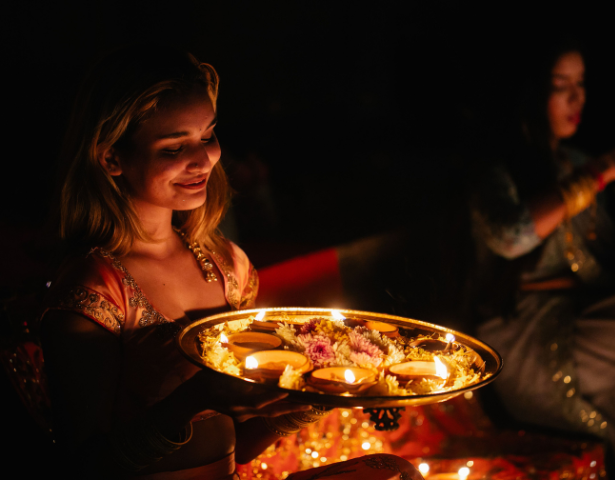
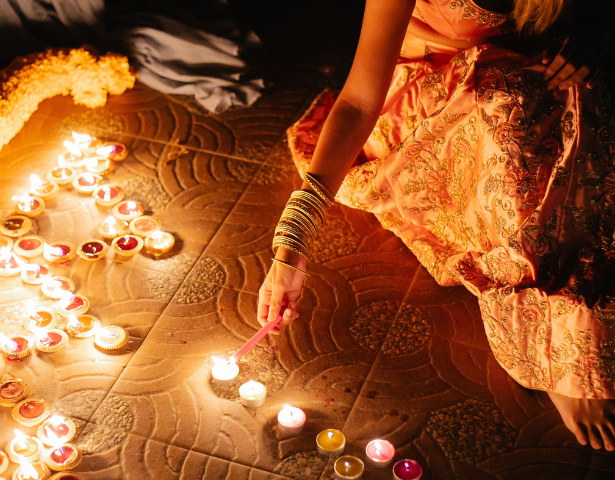
Night falls, and Ayodhya is transformed into a breathtaking sea of light. Millions of earthen lamps illuminate Ram Ki Paidi in honour of Lord Ram's return to his birthplace, creating one of the most remarkable festival scenes anywhere in the world. Surrounded by devotional music, cultural performances, and the joyful energy of countless pilgrims and visitors, experience Deepotsav at its unforgettable peak. Then, where local arrangements permit, continue the tradition of Ek Diya Ram Ke Naam by lighting the handcrafted diya you selected earlier in the day. In that quiet moment, your journey becomes part of the celebration itself, reminding you that even a single flame contributes to a tradition that has united generations through hope, faith, and the triumph of light over darkness.
SIGNATURE MOMENTS
Marigold-Lined Streets
Choose Your First Diya
Saryu Aarti
Ek Diya Ram Ke Naam
Deepotsav at Ram Ki Paidi
Day 2: The Heart of Diwali
THE SACRED HEART
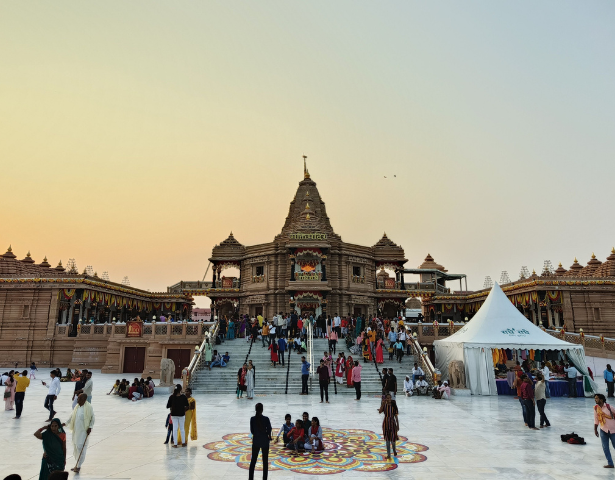
Begin Diwali morning at Shri Ram Janmabhoomi Mandir, one of Hinduism's most sacred temples and the revered birthplace of Lord Ram. While visitors from around the world gather to celebrate Diwali in Ayodhya, local families begin the day here in quiet prayer, offering thanks before the day's festivities unfold. Join the respectful flow of worshippers as temple bells ring through the morning air and devotional chants create an atmosphere of calm reflection. Although the temple itself is newly built, the story it represents has shaped Ayodhya's identity for centuries. Standing among families celebrating together, it becomes clear that Diwali begins not with fireworks or festivities, but with gratitude, faith, and the enduring belief that goodness will always find its way home.
THE JOY OF GIVING
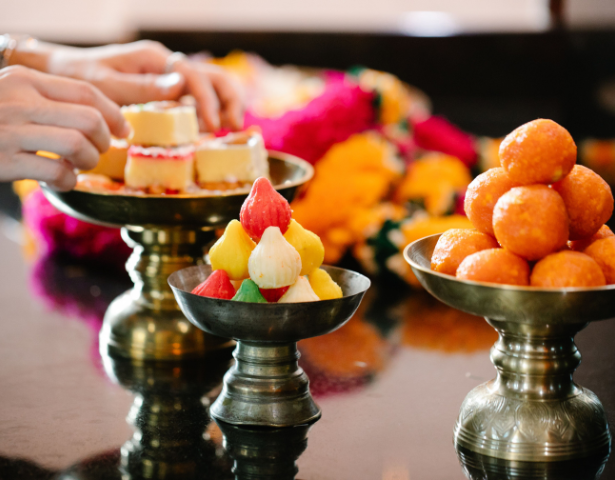
Across Ayodhya, the spirit of Diwali is expressed through countless acts of generosity. Wander through neighbourhood streets where beautifully wrapped boxes of mithai, traditional Indian sweets, pass from one family to another, while flower sellers, local sweet makers, and small shopkeepers welcome a steady stream of festive visitors. Step into a long-established mithai shop to sample freshly prepared sweets and discover why sharing them has become one of Diwali's most cherished traditions. If the opportunity feels natural, purchase a small box of mithai and offer it to a local family, artisan, or shopkeeper who has shared part of their Diwali with you. This simple gesture often leads to warm conversations and genuine smiles, reflecting the true spirit of the festival. Here, the celebration is measured not by what people receive, but by what they joyfully share with others.
WHEN EVERY HOME BEGINS TO GLOW
As afternoon slowly gives way to evening, Ayodhya transforms one home at a time. Outside doorways, families complete intricate rangoli designs while rows of clay diyas are carefully arranged, waiting for sunset. Children eagerly help place lamps around courtyards as relatives arrive carrying flowers, gifts, and festive sweets for the evening ahead. This is the quiet preparation for Lakshmi Puja, the most important household tradition of Diwali, when families gather to pray for prosperity, harmony, and new beginnings. Take time to stroll through the neighbourhoods, admire the colourful rangoli, and chat with local families or shopkeepers who are happy to share how they prepare for the evening's celebrations. While Lakshmi Puja itself is celebrated privately within each home, these friendly conversations offer a meaningful glimpse into traditions that continue to unite generations. Long before the lamps are lit, Diwali is already alive in the warmth of family and the joy of preparing together.
THE LIGHT WITHIN
As night falls, Ayodhya glows with a different kind of beauty from the evening before. The grandeur of Deepotsav has given way to thousands of smaller lights flickering outside homes, temples, and neighbourhood shrines, each representing a family's hopes for the year ahead. The gentle sound of devotional songs drifts through the streets as evening aarti, a ceremony of light and prayer, continues in temples across the city. Walking respectfully through these peaceful neighbourhoods, you begin to understand that Diwali has never been about creating the brightest display. It is about welcoming goodness into everyday life, sharing happiness with others, and keeping alive traditions that have brought families together for generations. Tonight, the true meaning of the Festival of Lights shines brightest not across the skyline, but within the hearts of the people celebrating it.
SIGNATURE MOMENTS
Morning at Shri Ram Janmabhoomi Mandir
Sharing Mithai
Lakshmi Puja Preparations
Diwali Neighbourhood Walk
The Light Within
Day 3: Living Traditions
A ROYAL LEGACY OF DEVOTION
Begin the morning at Kanak Bhawan, one of Ayodhya's most beloved temples, traditionally believed to have been gifted to Sita by Queen Kaikeyi after her marriage to Lord Ram. Unlike the grandeur of yesterday's celebrations, the atmosphere here is peaceful and deeply personal. Join local devotees as they offer prayers, sing devotional hymns, and spend quiet moments in reflection before the beautifully adorned deities of Ram and Sita. More than a place of worship, the temple celebrates love, family, and devotion — values that remain at the heart of Diwali. Surrounded by worshippers of all ages, you'll discover a gentler side of Ayodhya, where faith is woven naturally into everyday life.
THE FRAGRANCE OF DEVOTION
Incense has accompanied your journey from the moment you arrived in Ayodhya. Its fragrance drifted through temples, markets, and evening prayers, becoming part of the city's unmistakable atmosphere. Today, discover the tradition behind that familiar scent during a hands-on incense rolling experience with local artisans. Learn how fragrant powders are carefully blended, rolled by hand onto bamboo sticks, and left to dry using techniques passed down through generations. As you create your own incense to take home, conversations with the artisans offer a deeper understanding of how something so simple continues to play an important role in daily worship, family rituals, and moments of quiet reflection across India.
THE RHYTHM OF EVERYDAY AYODHYA
With the festival crowds beginning to disperse, Ayodhya settles back into its familiar rhythm. Wander through local markets where neighbours greet one another, children play along narrow lanes, and shopkeepers welcome customers with warm smiles and unhurried conversations. Pause at a family-run tea stall to enjoy a cup of freshly brewed chai while chatting with local residents about life in Ayodhya beyond the festival season. These simple exchanges reveal a city that is more than its celebrations — a place where community, hospitality, and tradition continue to shape everyday life long after the last festival lamps have been extinguished.
THE RIVER REMEMBERS
Return to the banks of the Saryu River as the sun begins to set, but experience it through different eyes. Only two evenings ago, the river dazzled beneath millions of festival lights. Now, its quieter waters invite reflection rather than celebration. Watch devotees offer evening prayers, listen to the gentle rhythm of temple bells, and take a final moment to appreciate the calm that has returned to the city. The spectacle of Deepotsav may have passed, but the spirit of Ayodhya remains. Here, beside the river where faith and daily life continue to meet, you leave with an understanding that some of the most meaningful journeys are remembered not for their grandest moments, but for the quiet ones that follow.
SIGNATURE MOMENTS
Kanak Bhawan
Incense Rolling Experience
Chai & Conversations
Everyday Ayodhya
Sunset at the Saryu River
Day 4: A Celebration of Gratitude
A HILL OF DEVOTION
Begin the day by experiencing Govardhan Puja, a festival honouring Lord Krishna's lifting of Govardhan Hill to protect villagers from devastating storms. At temples across Ayodhya, beautifully arranged floral displays and symbolic Govardhan mounds become the centre of prayer as devotees gather to offer thanks for nature's blessings and life's abundance. Join the respectful flow of worshippers, observe the colourful rituals, and discover how gratitude lies at the heart of this important celebration. While quieter than Deepotsav, Govardhan Puja offers a meaningful opportunity to witness another cherished tradition that continues to unite families and communities throughout India.
THE FEAST OF GRATITUDE
One of the most treasured traditions of Govardhan Puja is Annakut, meaning "mountain of food." Temples prepare magnificent displays of rice, breads, vegetables, sweets, and seasonal dishes as offerings before they are shared with devotees as prasad, blessed food. Experience this beautiful tradition by respectfully receiving Annakut prasad and learning how sharing food expresses gratitude, equality, and community. Every dish represents appreciation for nature's abundance and the belief that blessings become even more meaningful when shared with others. It is a simple meal, yet one that carries centuries of tradition and devotion.
SONGS OF DEVOTION
As the afternoon unfolds, temple courtyards and neighbourhood gathering places fill with devotional songs, gentle conversations, and families enjoying the quieter pace that follows the festival. Take time to sit among local residents, listen to traditional bhajans, and share conversations with those happy to explain the customs that continue beyond Diwali itself. Without grand processions or spectacular displays, these simple moments reveal another side of Ayodhya — one where faith is expressed through music, friendship, and the joy of spending time together.
THE GIFT OF STILLNESS
Return to the Saryu River one final time as evening settles over the city. The excitement of Deepotsav has given way to peaceful reflections, while families continue gathering along the riverbanks to enjoy the final days of the festive season together. Watch the last colours of sunset fade across the water and reflect on the journey that has brought you here — from the brilliance of millions of lamps to the quiet traditions that continue long after the celebrations end. In Ayodhya, gratitude is not reserved for festivals alone. It is found in everyday moments, shared meals, heartfelt conversations, and the enduring connections between faith, family, and community.
SIGNATURE MOMENTS
Govardhan Puja
Annakut Prasad
Bhajans & Conversations
Evening at the Saryu
A Celebration of Gratitude
Day 5: Where Every Journey Finds Home
THE BOND OF BHAI DOOJ
Begin your final morning by experiencing Bhai Dooj, the concluding festival of the Diwali celebrations. Across Ayodhya, sisters welcome their brothers with traditional tilak ceremonies, heartfelt prayers, and wishes for happiness, prosperity, and long life, while brothers offer gifts as a symbol of love and lifelong support. Although these celebrations take place within families, temples and neighbourhoods reflect the warmth of the occasion as loved ones gather to visit one another and continue the festive spirit. Witness this touching tradition and discover how the Diwali season concludes not with grand celebrations, but with gratitude for the relationships that shape our lives.
THE CITY RETURNS TO ITS RHYTHM
With the celebrations gradually coming to an end, Ayodhya settles back into its familiar pace. Stroll through local markets where shopkeepers greet returning customers, neighbours exchange stories from the past few days, and children continue playing in streets now free from the festival crowds. Pause for one final cup of chai and enjoy relaxed conversations with local residents, reflecting on how the city balances its sacred heritage with everyday life. Without the excitement of Deepotsav, Ayodhya reveals the quiet charm that has always existed beneath the celebrations.
ONE LAST TABLE
Gather for a leisurely farewell lunch celebrating the flavours of Awadhi cuisine. As traditional dishes are shared around the table, take time to reflect on the experiences that have shaped the past five days — from lighting your own diya during Deepotsav to sharing mithai, rolling incense, receiving Annakut prasad, and meeting the people who welcomed you into their traditions. Like every memorable meal enjoyed throughout the journey, this final table becomes more than a chance to eat. It is an opportunity to celebrate friendships, conversations, and the memories created together.
UNTIL THE LIGHT RETURNS
Every journey eventually reaches its final chapter, but Ayodhya has a way of remaining with those who experience it. As you depart, the city leaves behind more than photographs of illuminated ghats or magnificent temples. It leaves the fragrance of incense, the warmth of conversations shared with local families, the taste of mithai offered in friendship, and the quiet glow of the diya you lit during Deepotsav. The Festival of Lights may have come to an end, but its message continues long after the final lamp has faded — reminding us that hope shines brightest when it is shared with others.
SIGNATURE MOMENTS
Chai & Conversations
Farewell Awadhi Lunch
One Last Walk
Memories of Ayodhya
OVERVIEW
Every year, fifteen days after Diwali, Varanasi celebrates Dev Deepawali, the "Diwali of the Gods," transforming the sacred banks of the Ganges into one of India’s most breathtaking celebrations of light, devotion, and community. LIGHT UP THE NIGHT: VARANASI is a journey into the spiritual heart of this extraordinary festival, where millions of glowing diyas, centuries-old rituals, riverside ceremonies, and timeless traditions come together to create an experience unlike anywhere else in the world. According to Hindu belief, this is the night when the gods descend to the Ganges, making Dev Deepawali not only one of India’s most spectacular festivals, but also one of its most spiritually significant.
Across four days, the journey moves beyond the breathtaking spectacle to discover the traditions that have shaped Varanasi for thousands of years. Wander ancient alleyways, experience sunrise on the sacred Ganges, discover the artistry of Banarasi Silk, savour flavours perfected across generations, and witness the city’s transformation as it prepares for its brightest night. More than simply attending a festival, guests are invited to experience the faith, culture, and everyday life that continue to make Varanasi one of the world’s oldest living cities.
ITINERARY
VARANASI
Day 1: The City Before the Light
THE CITY OF ETERNITY
Welcome to Varanasi, where history and everyday life continue to meet beside the sacred Ganges. As you arrive, the city's energy immediately surrounds you. Rickshaws weave through bustling streets, temple bells echo from hidden shrines, and the scent of incense drifts through the warm afternoon air. Preparations for Dev Deepawali, the Festival of Lights of the Gods are already quietly underway as flower sellers arrange vibrant marigold garlands, potters stack thousands of freshly made clay diyas, and local families begin decorating their homes for the celebrations ahead. Before the festival begins, Varanasi offers something equally unforgettable — the chance to witness a city preparing together for one of its most cherished traditions.
THROUGH THE LABYRINTH
Step into the winding lanes of Vishwanath Gali, one of the oldest and most fascinating neighbourhoods in Varanasi. Narrow alleyways twist between centuries-old temples, colourful shrines, spice merchants, silk shops, and family businesses that have welcomed generations of pilgrims and travellers. Every turn offers another surprise, whether it's the ringing of a bicycle bell, a sacred cow quietly making its way through the lane, or neighbours stopping to exchange friendly greetings. Rather than rushing from one landmark to another, slow your pace and allow the old city to reveal itself naturally. In Varanasi, getting slightly lost often leads to the most memorable discoveries.
A TASTE OF BANARAS
Continue into the lively streets surrounding Kachori Gali, where the flavours of Banaras have brought families together for generations. Enjoy freshly prepared Kachori Sabzi — a popular North Indian breakfast, sip creamy Banarasi Lassi served in traditional clay cups, and admire colourful displays of sweets prepared especially for the coming festival. Along the way, your N.I.T.E. Navigator introduces another tradition that quietly accompanies daily life throughout India. Using fragrant incense paste and slender bamboo sticks, learn the simple art of rolling your own incense stick while discovering how different fragrances are chosen for temples, homes, and festivals. It is less a lesson than a conversation — one that offers a deeper appreciation of a fragrance that has become inseparable from India's cultural identity.
WHEN THE RIVER EXHALES
As evening approaches, arrive at Assi Ghat, where Varanasi begins to slow with the setting sun. Students gather along the broad stone steps, local families enjoy the cooler evening air, and wooden boats drift gently across the sacred Ganges. Priests prepare for the evening prayers while the golden light reflects softly across the river's surface. Unlike the spectacular nights still to come, tonight belongs to quiet anticipation. Sit beside the water with a warm cup of chai, watch the city gradually surrender to twilight, and experience the peaceful rhythm that has drawn pilgrims to these sacred banks for centuries. Sometimes the calm before the celebration becomes one of the journey's most treasured memories.
SIGNATURE MOMENTS
Festival-Lined Streets
Vishwanath Gali
Banarasi Flavours
Incense Rolling
Assi Ghat at Sunset
Day 2: The River of Light
BEFORE THE CITY AWAKES
Long before the festival begins, Varanasi welcomes the day with one of its oldest daily traditions. Board a wooden boat at Assi Ghat as the first light of dawn begins to colour the sky, drifting gently towards Dashashwamedh Ghat while the city slowly awakens. Along the riverbanks, pilgrims descend the stone steps for morning prayers, yoga practitioners greet the sunrise, and priests offer quiet rituals beside the sacred waters. Temple bells echo softly across the Ganges while the city moves at an unhurried pace rarely experienced by most visitors. Watching life unfold from the river offers a peaceful reminder that long before Dev Deepawali became one of India's greatest celebrations, the Ganges had already shaped the daily rhythm of Varanasi for thousands of years.
THREADS OF BANARAS
Leave the river behind and journey into Madanpura, where master weavers continue one of Varanasi's most celebrated traditions. Inside family-run workshops, handlooms quietly click away as skilled artisans transform delicate silk threads into magnificent Banarasi saris admired across India and beyond. Watch intricate patterns slowly emerge, feel the fine texture of unfinished silk, and discover the patience required to produce a single masterpiece. More than a beautiful craft, Banarasi Silk tells the story of families who have preserved their remarkable craftsmanship for centuries, ensuring one of the city's greatest cultural treasures continues to thrive in the modern world.
THE RIVER GATHERS LIGHT
As afternoon gives way to evening, return to the ghats where anticipation quietly builds with every passing hour. Along Dashashwamedh Ghat, Rajendra Prasad Ghat, and neighbouring riverbanks, volunteers carefully arrange thousands of clay diyas while flower sellers prepare endless marigold garlands for the night's celebrations. Families arrive carrying offerings, children eagerly help place lamps along the stone steps, and boats begin gathering along the river in preparation for the evening ahead. There is no rush. Instead, the city moves with quiet purpose as neighbours, pilgrims, and visitors all become part of the same tradition. Before the first flame is lit, Varanasi already feels united by the excitement of what is about to unfold.
A RIVER OF STARS
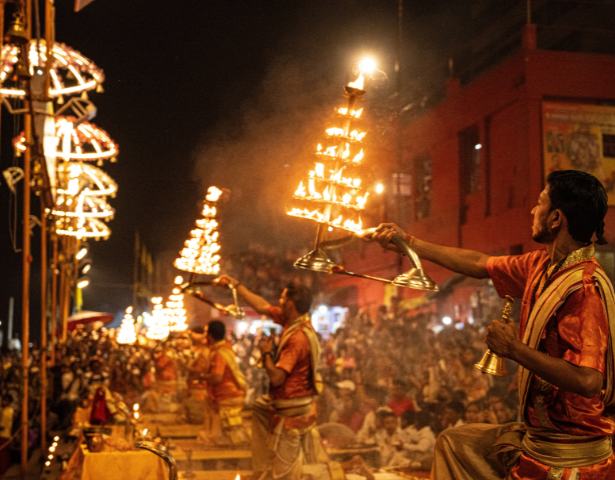
As darkness settles across the Ganges, board your boat and witness one of India's most extraordinary celebrations from the water itself. Millions of glowing diyas illuminate the ghats while the magnificent Ganga Aarti fills the evening with rhythmic chants, towering oil lamps, ringing bells, and drifting incense. Reflections shimmer across the sacred river as fireworks burst overhead, transforming the entire riverfront into a breathtaking sea of light. Surrounded by local families, pilgrims, and fellow travellers, it becomes impossible to tell where the river ends and the festival begins. For one unforgettable evening, Varanasi doesn't simply celebrate Dev Deepawali — it becomes the very light that generations have gathered to honour.
SIGNATURE MOMENTS
Sunrise on the Ganges
Banarasi Silk
Decorated Ghats
Ganga Aarti
Dev Deepawali by Boat
Day 3: Beyond the Light
THE MORNING RETURNS
As the first light reaches the Ganges once again, Varanasi quietly settles back into its familiar rhythm. Return to the riverfront, where boatmen, pilgrims, flower sellers, and chai vendors begin another ordinary morning after an extraordinary night. Pause for a steaming cup of chai at a favourite riverside stall, where locals gather before starting their day, and enjoy the opportunity to exchange stories with those who call Varanasi home. Ask your boatman how Dev Deepawali has changed over the years, or listen as neighbours reflect on last night's celebration. Yesterday belonged to the festival. This morning belongs to the people who keep the spirit of Varanasi alive every single day.
BEYOND THE GHATS
Step away from the famous riverfront and into the quieter neighbourhoods surrounding Bengali Tola, where everyday life unfolds beyond the festival crowds. Wander narrow lanes lined with family-run shops, tiny tea houses, artisan workshops, and homes that have welcomed generations of the same families. Rather than simply passing through, take time to stop, ask questions, and hear the stories behind businesses that have become part of the neighbourhood's identity. Whether chatting with a silk merchant, a spice seller, or the owner of a tiny stationery shop, these simple conversations reveal a side of Varanasi that no monument or guidebook can fully capture.
SWEET TRADITIONS
Continue your journey through Banaras by visiting one of the city's long-established sweet shops, where recipes have been lovingly preserved for generations. Sample regional favourites such as creamy rabri, seasonal malaiyyo (a delicate winter delicacy served from November to January), or the famous Banarasi lassi, while learning why certain sweets become an essential part of festivals, family gatherings, and everyday celebrations. Rather than simply tasting them, ask the sweet maker which recipe has been in their family the longest, which dessert disappears first during Dev Deepawali, or which treat reminds them most of their childhood. Sometimes the sweetest memories are the stories shared across the counter.
STORIES OVER CHAI
As evening settles over the city, step into a neighbourhood chai stall where conversations flow as naturally as the tea itself. Pull up a simple chair, sip a freshly brewed cup of masala chai, and enjoy an unhurried evening surrounded by students, shopkeepers, office workers, and neighbours ending their day together. There is no performance, no schedule, and no grand attraction — only the everyday warmth that has made these gathering places the social heart of Indian communities for generations. Share your own experiences of Dev Deepawali, listen to local perspectives, and discover that sometimes the most meaningful cultural experiences begin with nothing more than a simple greeting and a shared cup of tea.
SIGNATURE MOMENTS
Morning Chai by the Ganges
Bengali Tola
Banarasi Sweet Traditions
Neighbourhood Chai Stall
Conversations with Locals
Day 4: The Traditions That Remain
THE FLOWERS RETURN
Before much of the city has fully awakened, make your way to Phool Mandi, Varanasi's bustling wholesale flower market, where the day's first colours appear long before sunrise. Mountains of fresh marigolds, roses, jasmine, and lotus flowers are sorted into baskets destined for temples, homes, and riverside shrines across the city. Walk alongside local florists as they prepare garlands with remarkable speed and care, then choose a small bundle of flowers yourself while learning how different blooms carry different meanings in Hindu traditions. Afterwards, accompany your N.I.T.E. Navigator to a nearby temple or ghat to respectfully offer your flowers, taking part in a simple daily ritual that has welcomed generations of worshippers long before — and long after — the festival.
THE SPIRIT OF BANARAS
Continue exploring one of Varanasi's oldest neighbourhoods, where independent workshops, family-run businesses, and traditional crafts continue to shape everyday life. Browse artisan workshops and local stores, discovering handcrafted keepsakes that reflect the city's rich cultural heritage, from brassware and hand-painted artwork to locally woven textiles. Along the way, meet the people behind these enduring crafts and learn how their skills have been passed down within their families for decades. Before leaving, choose a keepsake that speaks to you — not simply as a souvenir, but as a reminder of the traditions, artistry, and warm hospitality that made Banaras so unforgettable.
ONE LAST TABLE
Gather once more around the table to enjoy a relaxed farewell lunch celebrating the flavours of Banaras. Familiar dishes now carry new meaning after days spent discovering the stories behind them, while conversations naturally return to sunrise boat rides, glowing ghats, hidden alleyways, and unexpected encounters with local families. Enjoy one final meal, reflecting on how the journey became far more than simply attending a festival. Sometimes the strongest memories are not made during the grandest celebrations, but around the tables where stories are shared.
THE RIVER REMEMBERS
Before departing, return to the banks of the Ganges one final time. The fireworks have faded, the festival crowds have gone home, and the river flows as peacefully as it has for thousands of years. It has witnessed countless Dev Deepawali celebrations, welcomed pilgrims from across India and beyond, and carried the stories of Banaras through every passing season. As you pause beside the water, it becomes clear that while festivals come and go, the spirit of Varanasi never leaves. Long after the final diya has faded, the memories of its people, traditions, and sacred river continue to travel home with you.
SIGNATURE MOMENTS
Phool Mandi
Flower Offering
Handcrafted Banaras
One Last Table
Riverside Reflections
OVERVIEW
Every year, Diwali transforms Udaipur into one of India’s most elegant celebrations of light, where magnificent palaces, tranquil lakes, and historic streets shimmer beneath thousands of glowing diyas and dazzling fireworks. LIGHT UP THE NIGHT: UDAIPUR is a journey into the royal heart of Rajasthan, where centuries-old traditions, festive markets, timeless craftsmanship, and breathtaking lakefront celebrations come together to create an experience of remarkable beauty. Often called the City of Lakes, Udaipur offers a Diwali unlike any other, where every reflection on the water tells the story of a city that has celebrated light with grace and grandeur for generations.
Across five days, the journey moves beyond Udaipur’s magnificent landmarks to discover the traditions, people, and artistry that bring the Festival of Lights to life. Wander vibrant bazaars preparing for the celebration, experience the craftsmanship behind Rajasthan’s most treasured arts, savour festive flavours perfected through time, and witness illuminated palaces mirrored across Lake Pichola on Diwali night. More than simply celebrating a festival, guests are invited to experience the warmth, elegance, and royal heritage that continue to define one of India’s most enchanting cities.
ITINERARY
UDAIPUR
Day 1: The Royal Welcome
WHERE ROYALTY MEETS EVERYDAY LIFE
Welcome to Udaipur, where grand palaces rise above shimmering lakes and centuries of royal history blend effortlessly with the rhythm of everyday Rajasthan. As you arrive, preparations for Diwali are already beginning to transform the city. Shopkeepers hang colourful lanterns above their doorways, flower vendors arrange vibrant marigold garlands, and families browse bustling markets in search of diyas, sweets, and decorations for the celebrations ahead. Before discovering Udaipur's famous landmarks, take a moment to experience the city as its residents do — where the excitement of Diwali quietly grows through everyday traditions, warm greetings, and the shared anticipation of one of India's most cherished festivals.
THE STREETS OF OLD UDAIPUR
Step into the heart of the old city, where narrow lanes reveal hidden temples, historic havelis, artisan workshops, and lively neighbourhood squares. Rather than following a fixed route, wander at an unhurried pace, allowing unexpected discoveries to shape the afternoon. Pause to admire craftsmen working by hand, greet local shopkeepers preparing for Diwali, and browse colourful displays of textiles, miniature paintings, and traditional Rajasthani handicrafts. Every conversation offers another glimpse into the city's character, where royal heritage has never existed separately from everyday life. Here, the most memorable moments are often found not inside palaces, but within the streets that have quietly connected the community for centuries.
THE SCENT OF CELEBRATION
As Diwali draws near, the fragrances of Udaipur become as much a part of the celebration as its lights. Visit a family-run perfumery or traditional incense maker, where sandalwood, rose, jasmine, saffron, and aromatic spices fill the air with scents long associated with festivals and daily worship. Over tea and conversation, your N.I.T.E. Navigator casually introduces the simple art of rolling a traditional incense stick using natural ingredients commonly found throughout Rajasthan. Rather than a workshop, the experience unfolds as a relaxed cultural exchange, revealing how fragrance quietly accompanies family gatherings, temple rituals, and festive evenings across India. Leave with your own handcrafted incense as a fragrant reminder of Udaipur's warm welcome.
WHEN THE PALACES BEGIN TO GLOW
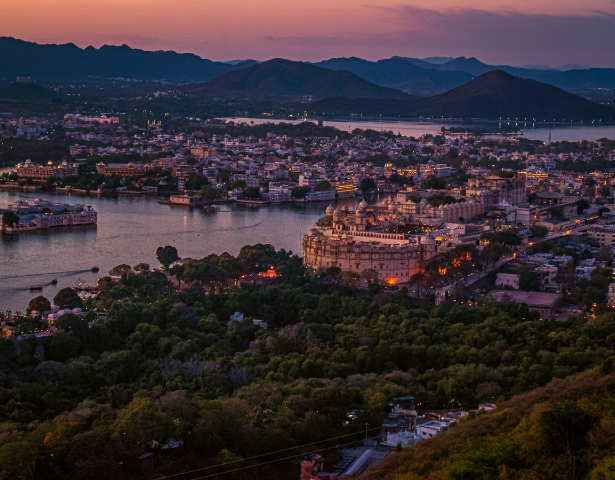
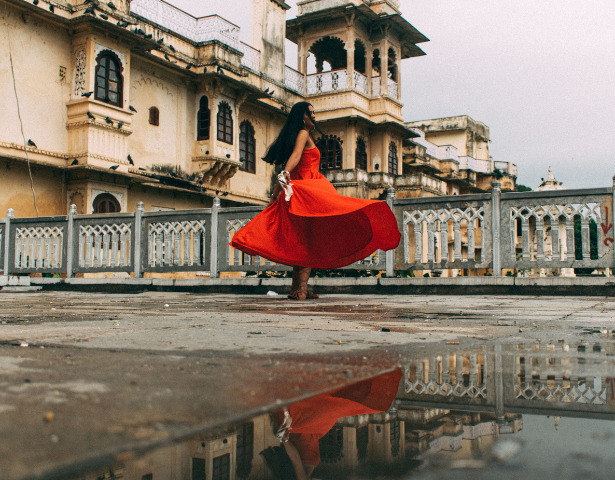
As the afternoon fades into evening, arrive at the shores of Lake Pichola, where Udaipur begins its gentle transition from day to night. Wooden boats drift across the calm water as families gather along the waterfront, cafés slowly fill, and the first lamps begin appearing in windows and courtyards throughout the city. Across the lake, the City Palace and surrounding havelis slowly emerge from the fading daylight, hinting at the spectacle that awaits on Diwali night. Rather than ending the evening here, continue into the nearby streets where locals gather over dinner, savour a selection of Rajasthani evening snacks, and enjoy the relaxed atmosphere that settles over the City of Lakes after dark. Conversations drift from table to table as families share meals and make their final plans for tomorrow's celebration. It is a quieter side of Udaipur, where the excitement of Diwali is felt not through fireworks, but through the anticipation shared by everyone around you.
SIGNATURE MOMENTS
Old Udaipur
Festival Preparations
Incense Rolling
Lake Pichola
Rajasthani Evening Snacks
Day 2: Preparing the Palace
THE FESTIVAL BAZAARS
Begin the day in the vibrant markets of Udaipur, where Diwali preparations are in full swing. Walk through bustling lanes overflowing with colourful lanterns, hand-painted diyas, festive sweets, silver ornaments, textiles, and fresh marigold garlands destined for homes and temples across the city. Rather than simply browsing, join local families as they search for the final touches that will complete their celebrations. Ask shopkeepers why certain decorations are chosen, learn which colours symbolize prosperity and good fortune, and discover how every purchase reflects traditions passed from one generation to the next. Long before the first lamp is lit, the festival is already alive within the marketplace.
LIGHTS OF HOME
As the city prepares for Diwali, step into one of its most cherished traditions by decorating your own clay diya alongside local artisans or community members. Learn how simple earthen lamps are transformed with colourful paints, delicate patterns, and gold accents before finding their place in homes during Lakshmi Puja — the most important prayer ceremony of Diwali. As brushes move across the clay, conversations naturally turn to childhood memories, family celebrations, and the excitement that fills every household on Diwali. Your finished diya becomes more than a keepsake — it becomes part of your own journey through the Festival of Lights, ready to shine when evening finally arrives.
SWEETS OF CELEBRATION
No Diwali preparation is complete without the sweets shared among family, friends, and neighbours. Visit a long-established sweet shop where trays of freshly prepared Ghewar, Mawa Kachori, Besan Ladoo, and other festive favourites fill the display counters. Rather than simply sampling them, discover which sweets are traditionally exchanged during Diwali, which recipes have become local favourites, and how families decide what to prepare each year. Many shopkeepers are proud to share the stories behind their specialties, turning every tasting into another glimpse of Rajasthan's festive traditions. In Udaipur, generosity is measured not only by light, but also by the sweetness shared with others.
THE CITY COMES TOGETHER
As the sun begins to set, return to the neighbourhoods where the final preparations for Diwali are underway. Carry the diya you decorated earlier and join local residents or shopkeepers as they carefully place rows of clay lamps outside homes, temples, and businesses, ready to be illuminated during tomorrow's celebrations. Lend a hand with the finishing touches, admire colourful rangoli taking shape beneath your feet, and share the excitement that fills the streets on the eve of India's Festival of Lights. Before a single flame is lit, it becomes clear that Diwali is not created by fireworks or grand ceremonies, but by thousands of small acts of care, each contributing to something far greater than itself.
SIGNATURE MOMENTS
Festive Bazaars
Diya Painting
Rajasthani Sweets
Neighbourhood Preparations
Rangoli Streets
Day 3: A Night of Royal Light
THE PALACE AWAKES
Begin the day at the magnificent City Palace, where the royal story of Udaipur comes to life through elegant courtyards, intricate balconies, and sweeping views across Lake Pichola. More than simply exploring a royal residence, discover how the House of Mewar continues to preserve traditions that remain closely connected to the city's identity today. As preparations for Diwali unfold within and around the palace, hear how generations of rulers marked the Festival of Lights with ceremonies, music, and celebrations that reflected both devotion and royal grandeur. Standing above the lake, it becomes easy to understand why Udaipur has long been regarded as Rajasthan's most elegant city.
BLESSINGS OF LAKSHMI
As evening approaches, visit a local temple where devotees gather to prepare for Lakshmi Puja, bringing flowers, sweets, and offerings before the evening prayers begin. As the temple fills with anticipation, your N.I.T.E. Navigator helps interpret the rituals and symbolism behind the ceremony, while encouraging respectful conversations with devotees or temple volunteers who are happy to share their traditions. If invited, lend a hand with simple preparations, whether arranging flowers, placing offerings, or helping prepare the temple grounds. As bells begin to ring and hundreds of diyas illuminate the sacred space, witness how one of India's most cherished festivals is celebrated not only through grand displays of light, but through quiet acts of devotion shared by an entire community.
THE CITY SHINES
As twilight deepens, the transformation begins. Thousands of diyas flicker to life across homes, temples, markets, and palace walls while fireworks begin illuminating the night above the City of Lakes. Wander through beautifully decorated streets where neighbours exchange sweets, children celebrate with excitement, and every corner seems to glow with warmth and hospitality. Rather than standing apart from the celebration, become part of it — sharing festive greetings, accepting small treats offered by local families or shopkeepers, and experiencing the remarkable generosity that defines Diwali throughout Rajasthan. Tonight, the city belongs to everyone.
THE LAKE OF LIGHTS
Conclude the evening aboard a traditional boat on Lake Pichola, where Udaipur reveals its most unforgettable spectacle. The illuminated City Palace, Jag Mandir, and lakeside havelis shimmer across the calm water as fireworks burst above the surrounding hills, their reflections dancing across the lake below. From the water, the celebration feels almost timeless, where royal architecture, sacred traditions, and festive joy blend into one breathtaking panorama. As your boat drifts quietly beneath the glowing skyline, it becomes clear why Diwali in Udaipur is remembered not only for its brilliance, but for the extraordinary elegance with which the city celebrates the light.
SIGNATURE MOMENTS
City Palace
Temple Blessings
Diwali Greetings
Lake Pichola Cruise
Fireworks Over Udaipur
Day 4: The Grace That Remains
THE ROYAL GARDENS
Escape the excitement of the previous evening with a peaceful morning at Saheliyon Ki Bari, one of Udaipur's most beloved royal gardens. Created for the women of the Mewar court, its marble fountains, lotus pools, and shaded walkways offered a place to relax away from palace life. Today, the gardens provide the perfect contrast to the vibrant energy of Diwali. Stroll beneath ancient trees, listen to the gentle sound of flowing water, and discover how nature was woven into the royal lifestyle of Udaipur. Sometimes, understanding a city means experiencing not only its grand celebrations, but also the quiet places where its people found peace.
ROYAL ARTS OF MEWAR
For centuries, the royal courts of Mewar nurtured artists whose work continues to define Udaipur's cultural identity today. Visit a traditional miniature painting studio, where skilled artists patiently create intricate works using techniques passed down through generations. Sit beside them, ask about the stories hidden within each painting, and try adding a simple brushstroke yourself under their guidance. More than learning an artistic technique, discover how these paintings preserve the history, festivals, and daily life of Rajasthan, ensuring that the legacy of the kingdom continues through every carefully painted detail.
THE SPIRIT OF RAJASTHAN
As evening approaches, step inside the historic courtyard of Bagore Ki Haveli, where the performing arts of Rajasthan have captivated audiences for generations. As musicians tune traditional instruments and colourful costumes fill the stage, discover how folk songs, dances, puppetry, and storytelling have long preserved the customs and spirit of the region. Throughout the Dharohar Folk Dance Show, each performance reveals a different chapter of Rajasthan's cultural heritage, from energetic village celebrations to traditions once enjoyed in royal courts. More than an evening of entertainment, it is a living expression of the music, movement, and stories that continue to define Rajasthan today.
ABOVE THE CITY LIGHTS
Continue the evening at a beautifully restored heritage haveli overlooking Lake Pichola, where the pace of the city slows once again. Surrounded by illuminated palaces, shimmering reflections, and the quiet charm of Udaipur after Diwali, gather for dinner as conversations naturally return to the experiences shared throughout the journey. With the excitement of the festival now giving way to a more peaceful atmosphere, the evening offers the perfect opportunity to appreciate the city's timeless elegance. Sometimes, the most memorable nights are not the loudest, but the ones that allow every story, friendship, and unforgettable moment to settle long after the celebrations have ended.
SIGNATURE MOMENTS
Saheliyon Ki Bari
Royal Arts
Dharohar Folk Dance
Heritage Haveli
Lake Pichola by Night
Day 5: The City Returns
WHEN THE CITY WAKES AGAIN
The morning after Diwali offers a rare glimpse into a city quietly returning to its familiar rhythm. Wander through neighbourhood streets and local markets as shopkeepers lift their shutters, families tidy the last festive decorations, and the aroma of breakfast begins to drift through the air. Some colourful rangoli still decorate entrances while rows of clay diyas wait to be carefully packed away until next year. Neighbours exchange greetings and stories from the celebrations, children play in the streets once more, and everyday life gradually resumes its gentle pace. Without the excitement of the festival, the city feels more intimate, allowing simple moments and genuine interactions to come naturally. Festivals may create unforgettable memories, but it is the return to ordinary life that reveals the true character of Udaipur.
THE FLAVOURS OF MEWAR
No journey through Udaipur is complete without discovering the rich culinary traditions of the Mewar region. Gather for a leisurely lunch where recipes passed down through generations reflect both Rajasthan's royal heritage and its resourceful desert landscape. Savour iconic dishes such as Dal Baati Churma, Gatte ki Sabzi, Ker Sangri, and, for those who enjoy spice, the legendary Laal Maas. As each course is served, learn how local ingredients, royal kitchens, and centuries of tradition shaped the flavours that continue to define the region today. More than simply enjoying a meal, this is an opportunity to understand how food preserves history, celebrates hospitality, and brings families together around the same table.
OVER A CUP OF CHAI
As the afternoon slows, settle into a neighbourhood chai stall or open-air café, where sharing a cup of tea is as much about conversation as it is about the drink itself. In India, chai has long been a reason for neighbours, friends, and even strangers to pause, connect, and exchange stories. With a steaming cup of freshly brewed masala chai in hand, strike up a conversation with the friendly locals of Udaipur, who are often happy to share how they celebrated Diwali, what the festival means to their family, or simply ask about your own journey through their city. There is no script and no schedule — just genuine conversations that unfold naturally over a shared cup of tea. As laughter, stories, and warm smiles are exchanged, discover that one of India's greatest traditions is not only found in its festivals, but also in the everyday hospitality that makes visitors feel instantly welcome.
ONE LAST STROLL
Before saying goodbye, take one final walk through the streets that have become so familiar over the past few days. Wander beside the peaceful waters of Lake Pichola or through the quiet lanes of the Old City, where the celebrations have given way to the gentle rhythm of everyday life once again. Browse a final artisan shop, capture a last photograph, or simply pause to appreciate the city without an itinerary to follow. As your journey comes to an end, it becomes clear that what made Udaipur unforgettable was not only the brilliance of Diwali, but also the warmth of its people, the elegance of its traditions, and the quiet moments found between the celebrations. Some places are remembered for what you see. Udaipur is remembered for how it makes you feel.
SIGNATURE MOMENTS
The Morning After Diwali
Everyday Udaipur
Flavours of Mewar
Chai Conversations
One Last Stroll
INCLUDES
- 5 Days / 4 Nights Accommodation (4★ Hotel); 4 Days / 3 Nights for Varanasi
- All transportation within the experience
- Breakfast, lunch, dinner, snacks and drinks
- The artifacts (Black Passport & Digital artifact)
- English-speaking N.I.T.E. Navigator
- All admissions and activities outlined in the itinerary
- International airfare to India
- Travel insurance (highly recommended)
- Visa fees (if applicable)
- Personal expenses & additional purchases outside the curated experience