
Mel
Why Music Is the Heartbeat of the Philippines After Dark
In This Article
For many travellers, the Philippines is defined by turquoise waters, white-sand beaches, and spectacular islands. But once the sun begins to set, another side of the country quietly takes centre stage — one shaped not by landscapes, but by music.
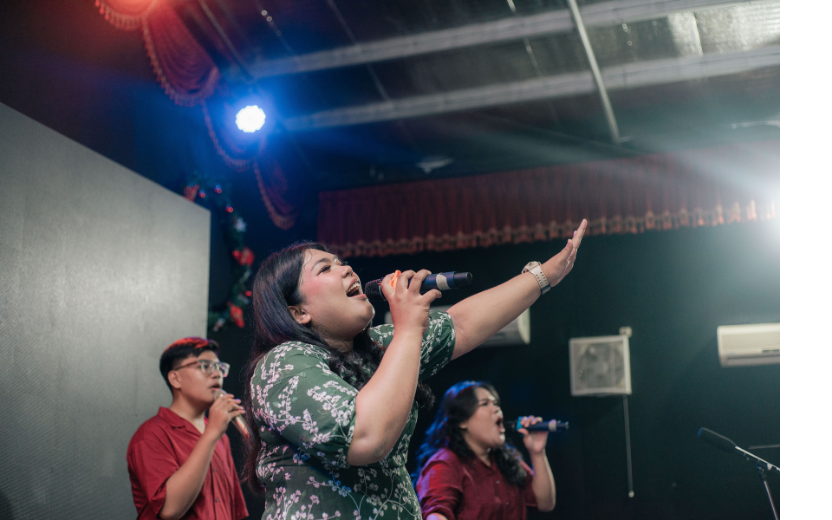
Unlike destinations where nightlife revolves around clubs or nightlife districts, evenings in the Philippines often unfold through live performances, acoustic sessions, and spontaneous singalongs. Music is not simply entertainment here. It is a way people connect, celebrate, and express themselves.
Whether you’re wandering through the cool mountain streets of Baguio, relaxing by the beach in El Nido, enjoying a riverside dinner in Bohol, or exploring the vibrant neighbourhoods of Manila, you’ll quickly notice that every evening seems to come with its own soundtrack.
A Country That Loves to Sing
The Philippines has long been recognised for producing exceptional singers. Around the world, Filipino performers have built careers in international theatre, cruise ships, hotels, orchestras, and recording studios. Their vocal talent is widely respected, but that ability doesn’t begin on a stage.
Music is introduced early in life. Schools, churches, community events, and family celebrations all encourage singing from a young age. It becomes part of everyday life rather than a special occasion.
This helps explain why live music across the country often surprises visitors. Even in a small neighbourhood café or beachside restaurant, the quality of performance can feel remarkably professional.
Original Pilipino Music
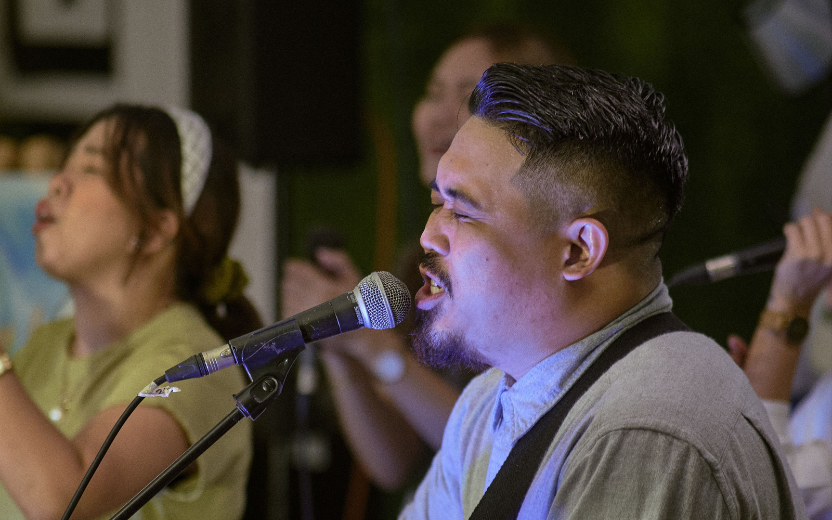
Alongside international favourites, the Philippines has its own rich musical identity known as Original Pilipino Music (OPM).
OPM spans many genres, from heartfelt ballads and acoustic folk to rock, pop, hip-hop, indie music, and modern jazz. Many songs explore themes of family, resilience, love, hope, and community — values deeply woven into Filipino culture.
For travellers, discovering OPM offers a chance to experience the country through the voices and stories of its own artists rather than only through familiar international playlists.
The Sound of Everyday Evenings
One of the most remarkable things about music in the Philippines is how naturally it becomes part of everyday life.
As daylight fades, restaurants begin welcoming local musicians. Cafés host acoustic duos. Small bars invite singers to perform familiar classics alongside Filipino favourites. Even public festivals often conclude with community performances that encourage everyone to sing along.
Unlike formal concerts, these performances rarely create distance between musicians and audiences. Guests clap, laugh, make requests, and sometimes find themselves joining in.
For many visitors, these moments become some of the most memorable experiences of their trip — not because they were carefully planned, but because they felt genuine.
More Than Videoke
No discussion of Filipino music would be complete without mentioning videoke, the country’s beloved version of karaoke.
While visitors often see it as a novelty, videoke reflects something much deeper.
Birthdays, reunions, neighbourhood gatherings, beach outings, and family celebrations frequently include singing. The goal is rarely to impress anyone. Instead, singing becomes a way of bringing people together, creating laughter, and strengthening relationships.
It is perfectly normal for someone with no professional training to step confidently up to the microphone simply because everyone is enjoying the moment together.
This sense of participation rather than performance is part of what makes Filipino evenings feel so welcoming.
Every Destination Has Its Own Rhythm
The musical atmosphere changes from place to place across the Philippines.
In Baguio, cool mountain evenings pair naturally with intimate cafés where acoustic performers create relaxed, reflective spaces.
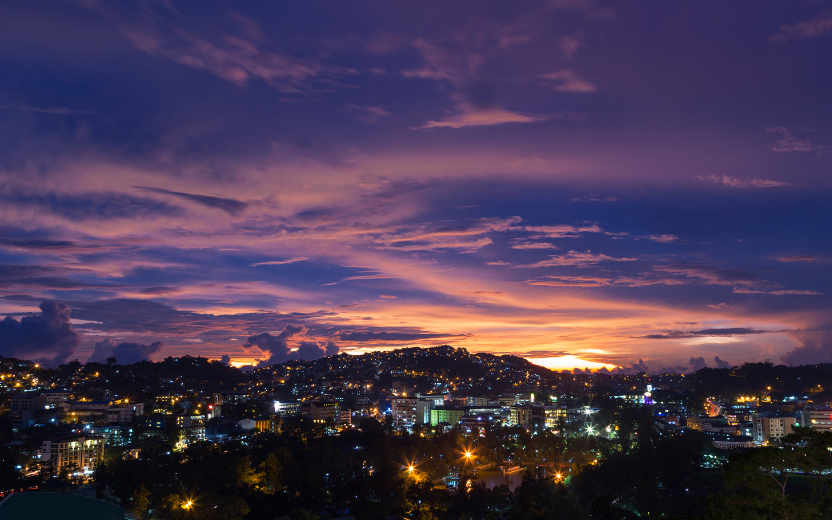
In El Nido, beach bars often fill with gentle guitar music as travellers watch the last colours disappear over Bacuit Bay.
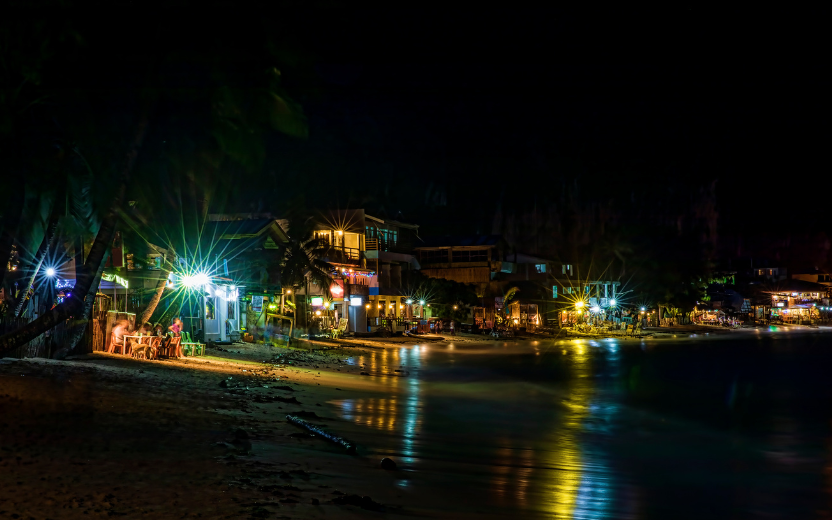
In Bohol, local restaurants and riverside venues offer live performances that complement the island’s slower pace.
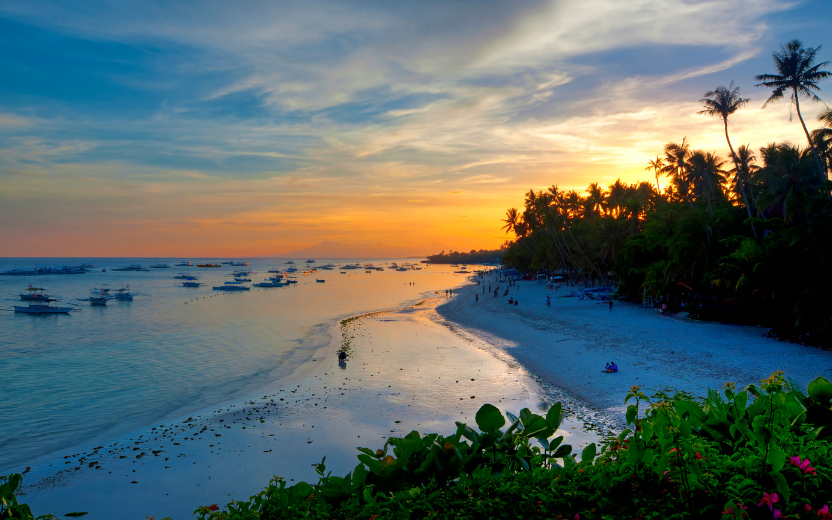
Meanwhile, Manila, Cebu, and Davao showcase everything from jazz lounges and rooftop bars to energetic live bands performing well into the night.
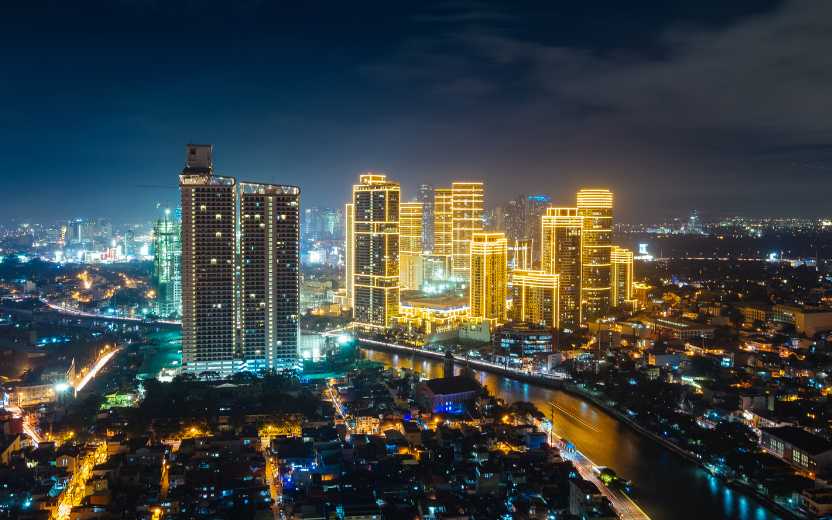
Different cities, different sounds — but the same unmistakable love of music.
An After-Dark Culture Worth Discovering
The Philippines offers many reasons to stay out after sunset.
You can browse bustling night markets, enjoy local food, or share conversations over coffee beneath cool evening skies.
Yet it is often music that quietly ties these experiences together.
It drifts from open-air restaurants, echoes through neighbourhood streets, accompanies family celebrations, and welcomes visitors into moments they never expected to become part of.
For MASX, after-dark travel has always been about discovering how a destination truly lives once the daytime attractions begin to fade.
In the Philippines, that story is told one song at a time.
Long after the beaches grow quiet and the crowds begin to thin, the country’s greatest soundtrack is only just beginning.
Would you like to discover the Philippines’ culture even further? Watch our YouTube video and experience it through local stories, traditions, and unforgettable moments.
Philippines’ Unwritten Rules & Social Harmony Explained 🇵🇭 | Foreign Fine Print