Divali in Trinidad: A Celebration of Light, Faith, and Culture 🇹🇹🪔
In This Article
Trinidad and Tobago is known for Carnival, soca, and vibrant street celebrations. But there’s another festival that brings the country to life in a completely different way: Divali, the Hindu Festival of Lights.
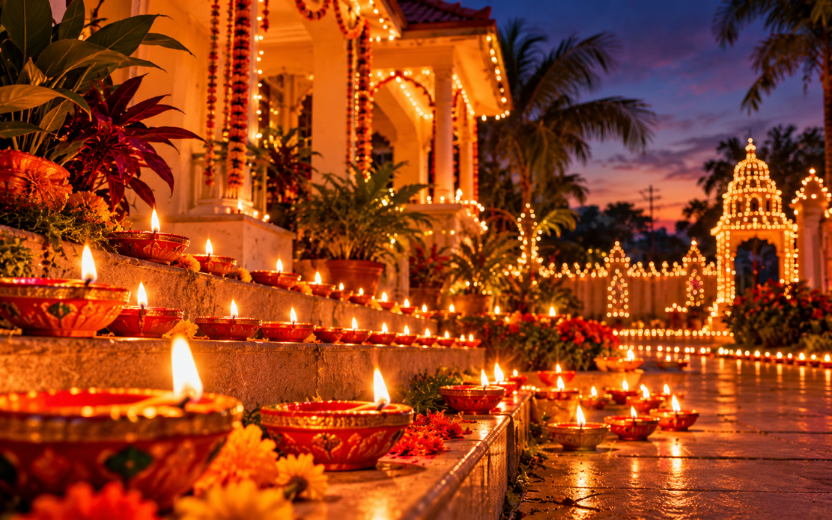
Every year, homes, temples, and entire communities across Trinidad glow with thousands of small clay lamps called deyas. The celebrations are filled with prayer, storytelling, traditional food, music, and a sense of togetherness that extends well beyond the Hindu community.
But the magic doesn’t begin on Divali night. In the weeks leading up to the festival, Trinidad comes alive with cultural traditions that have been preserved for generations.
Ramleela: Where Ancient Stories Come to Life
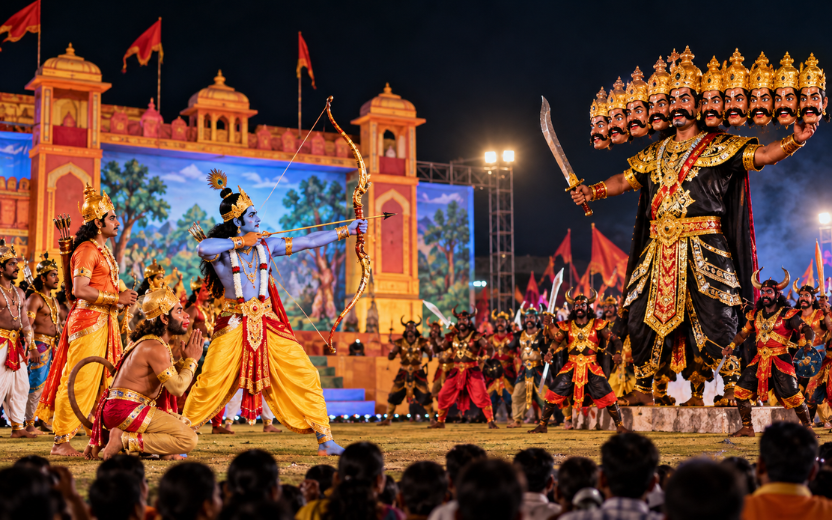
One of the most fascinating traditions leading up to Divali is Ramleela, an outdoor theatrical reenactment of the Hindu epic, the Ramayana.
Across communities in Trinidad, performers dress as gods, warriors, kings, and demons to tell the story of Lord Rama, Sita, Hanuman, and the defeat of Ravana.
These aren’t ordinary stage performances. Entire fields become theatrical spaces, with elaborate costumes, dramatic battles, and audiences gathering to watch the story unfold over several evenings.
The performances traditionally culminate around Dussehra, celebrating the triumph of good over evil. Although Ramleela and Divali are distinct observances, their stories share a powerful message about righteousness and the victory of light over darkness.
The Days Before Divali: Preparing for the Light
As Divali approaches, the excitement grows. Families clean and decorate their homes, prepare traditional sweets, and arrange rows of deyas along driveways, windows, and yards.
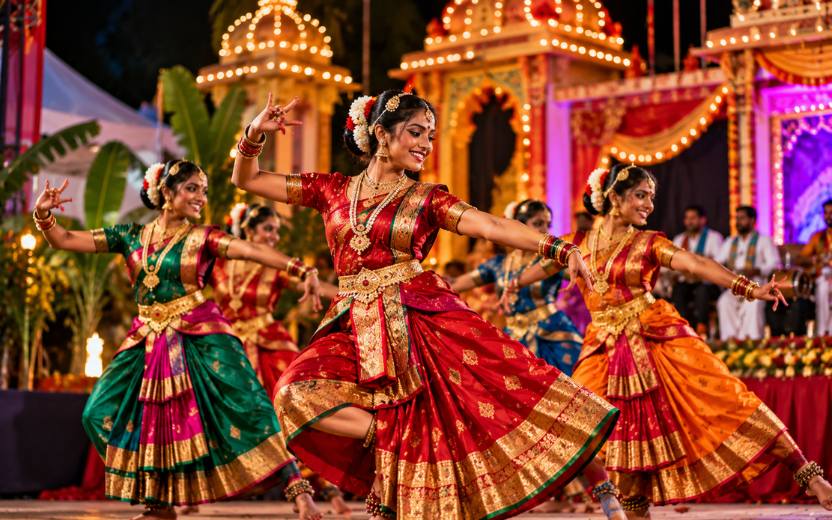
One of the season’s biggest cultural attractions is Divali Nagar, held in Chaguanas. This annual celebration showcases Indo-Trinidadian heritage through cultural performances, traditional clothing, food, handicrafts, and exhibitions.
It’s an opportunity for visitors to experience the richness of Trinidad’s Indian heritage, from classical dance and devotional music to the aromas of freshly prepared Indian delicacies.
Divali Night: When Trinidad Glows
When Divali finally arrives, the atmosphere transforms. Families gather for prayers honoring Goddess Lakshmi, associated with prosperity and good fortune, before lighting their deyas as evening falls.
Communities such as Felicity are especially famous for their spectacular displays of light. Streets and homes become glowing landscapes, drawing visitors from across the island.
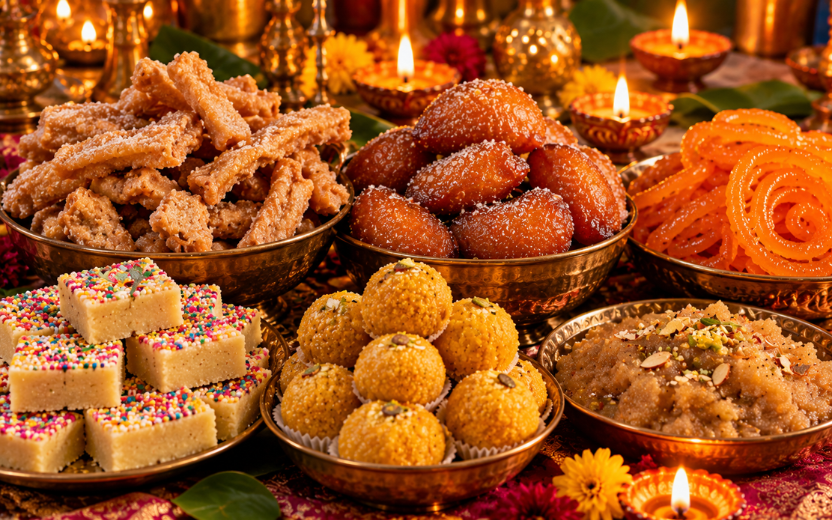
And of course, no Trinidadian celebration is complete without food! Traditional favorites such as kurma, barfi, parsad, and other vegetarian delicacies are lovingly prepared and shared with relatives, friends, and neighbors.
The lighting of deyas represents the triumph of light over darkness, knowledge over ignorance, and hope over despair.
More Than a Festival: A Trinidadian Tradition
What makes Divali in Trinidad particularly special is how it brings people together across different cultures and religions.
Rooted in traditions brought by Indian indentured laborers, Divali has become an important part of Trinidad and Tobago’s national identity. Its recognition as a public holiday in 1966 and the establishment of Divali Nagar in 1986 helped bring these traditions into the national spotlight.
For travelers, it’s an opportunity to discover a side of Trinidad that goes far beyond beaches and Carnival. From the storytelling of Ramleela to the breathtaking glow of thousands of deyas, Divali offers an unforgettable glimpse into the island’s cultural soul.
Have you ever experienced Divali in Trinidad? Which would you love to see most: the dramatic Ramleela performances, the excitement of Divali Nagar, or the beautiful streets illuminated by deyas?
Discover more of Trinidad and Tobago’s culture with MASX World.