

Mel
7 Incredible Wonders Hidden Across Turkey’s Landscape
In This Article
Turkey is often celebrated for its vibrant bazaars, rich cuisine, and the iconic hot air balloons of Cappadocia. Yet beyond these famous sights lies an even more remarkable story—one shaped by volcanoes, ancient civilizations, and millions of years of geological change. Across the country, extraordinary landscapes preserve temples older than the pyramids, cities hidden beneath the earth, mineral terraces that resemble snow, and lakes that have helped scientists better understand Mars. Together, these seven wonders reveal a side of Turkey that is as fascinating as it is unexpected.
This Temple Is Older Than the Pyramids
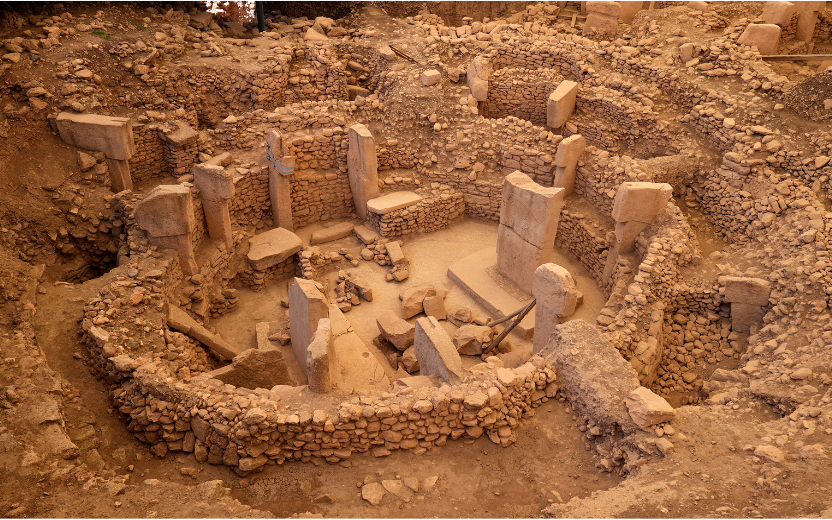
Göbekli Tepe
Thousands of years before the pyramids rose in Egypt, people in southeastern Turkey were already building monumental stone temples. Dating back to around 9600 BC, Göbekli Tepe is widely recognised as the world’s oldest known ceremonial site, challenging the long-held belief that agriculture came before organised religion. Its towering limestone pillars, carved with wild animals, suggest that early humans gathered here long before permanent cities even existed. More than an archaeological discovery, Göbekli Tepe has reshaped the story of how civilization itself began.
Inside One of Humanity’s First Cities
Çatalhöyük
Imagine living in a city without streets. At Çatalhöyük, one of the world’s earliest urban settlements, people walked across rooftops and entered their homes through openings in the ceiling. Founded more than 9,000 years ago, the settlement reveals a surprisingly sophisticated way of life, with colourful wall paintings, shared living spaces, and even family members buried beneath house floors. It offers a fascinating glimpse into how some of humanity’s first communities flourished long before writing, roads, or wheeled transport.
Where Volcanoes Created a Fairytale
Cappadocia
Millions of years before humans arrived, volcanic eruptions blanketed central Turkey with thick layers of ash that later hardened into soft rock. Wind and rain slowly sculpted this landscape into the fairy chimneys, valleys, and towering rock formations that make Cappadocia famous today. People later carved homes, churches, monasteries, and even underground settlements into the easily shaped stone, creating one of the world’s most extraordinary examples of nature and human ingenuity existing side by side.
20,000 People Once Lived Underground
Derinkuyu Underground City
Hidden beneath Cappadocia lies one of Turkey’s most astonishing engineering achievements. Extending approximately 60 metres underground, Derinkuyu could once shelter around 20,000 people, complete with homes, churches, kitchens, storage rooms, wineries, and an advanced ventilation system. Expanded over centuries, the city became a safe refuge during times of conflict. Today, its maze of tunnels and chambers offers a remarkable insight into how entire communities adapted to life beneath the earth.
These White Terraces Aren’t Made of Snow
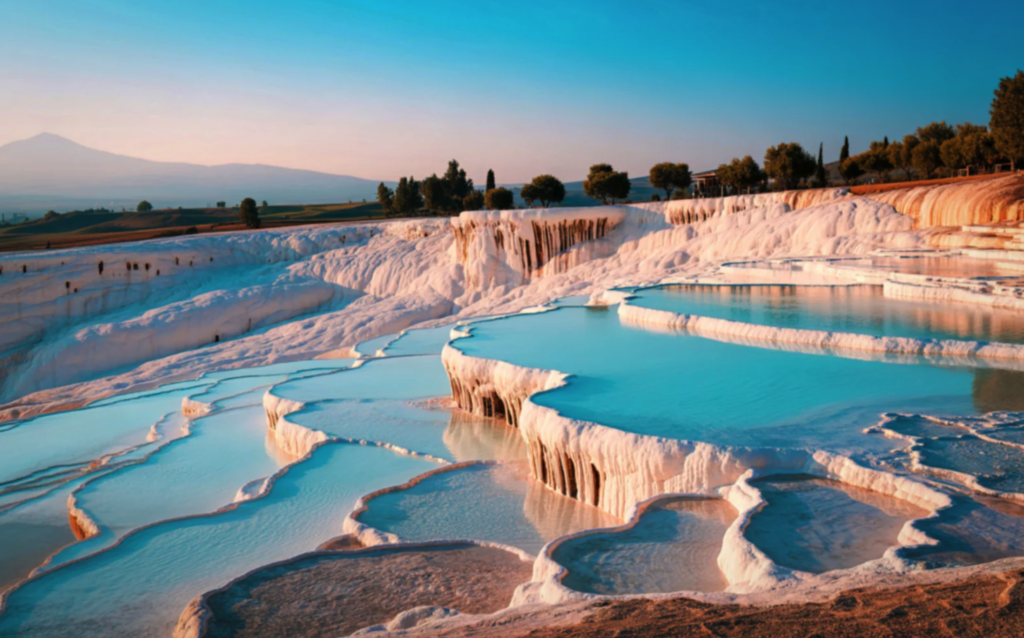
Pamukkale
Pamukkale’s dazzling white hills may look snow-covered, but they were formed by mineral-rich thermal waters flowing over the landscape for thousands of years. As the water cooled, it deposited layers of calcium carbonate, creating brilliant white travertine terraces filled with turquoise pools. So remarkable was this natural wonder that the ancient Romans built the nearby spa city of Hierapolis, where visitors travelled to bathe in the healing waters. Today, Pamukkale remains one of Turkey’s most iconic geological masterpieces.
NASA Studied This Lake Before Exploring Mars
Lake Salda
With its brilliant white shoreline and crystal-clear turquoise water, Lake Salda is often compared to a tropical paradise. Yet scientists value it for a very different reason. The lake contains rare minerals similar to those found around Jezero Crater on Mars, making it an important research site before NASA’s Perseverance rover began exploring the Red Planet. Beyond its stunning scenery, Lake Salda has become one of Earth’s most fascinating natural laboratories for planetary science.
Where Ancient Gods Watch the Sunrise
Mount Nemrut
Rising more than 2,100 metres above sea level, Mount Nemrut is home to one of Turkey’s most mysterious archaeological sites. At its summit stand colossal stone heads surrounding the tomb sanctuary of King Antiochus I, built during the 1st century BC. The statues combine Greek, Persian, and local influences, reflecting the kingdom’s unique cultural identity. Weather and earthquakes eventually toppled the monuments, creating the haunting scene visitors encounter today—one of Turkey’s most unforgettable reminders of its ancient past.
Final Thoughts
Turkey is a place where every landscape tells a story. Volcanoes carved valleys that became homes, mineral springs built natural masterpieces, and ancient civilizations left monuments that continue to reshape our understanding of history. Together, these wonders reveal a country unlike anywhere else on Earth.
Ready to experience them for yourself?
Explore MASX Turkey packages: 👉https://masxworld.com/turkey/
and discover the landscapes, history, and hidden wonders that make Turkey one of the world’s most extraordinary destinations.
—————————————————
Follow MASX for cinematic travel inspirations, hidden gems, cultural facts, and so much more!
Instagram: https://www.instagram.com/masxworld
Facebook: https://www.facebook.com/share/1C5Ado1tV5/?mibextid=wwXIfr
TikTok: https://www.tiktok.com/@masxworld
YouTube: https://www.youtube.com/@masxworld