Calypso: The Trinidadian Sound That Shaped Caribbean and World Music
When people talk about Caribbean music today, genres like Reggae, Dancehall, Soca, and even Hip-Hop dominate the conversation. Jamaica is often credited as the global engine of Caribbean sound.
But long before many of these genres existed, Trinidad and Tobago’s Calypso music had already established the lyrical, rhythmic, and cultural blueprint that influenced them all.
From Reggae and Soca to Rap and global pop, Calypso and Trinidadian musicians helped shape the DNA of modern music in ways that are often overlooked.
To understand Caribbean music history properly, you must recognize that Trinidad’s Calypso tradition was one of the most important musical innovations to come out of the Caribbean.
Trinidad: The Lyrical Heart of Caribbean Music
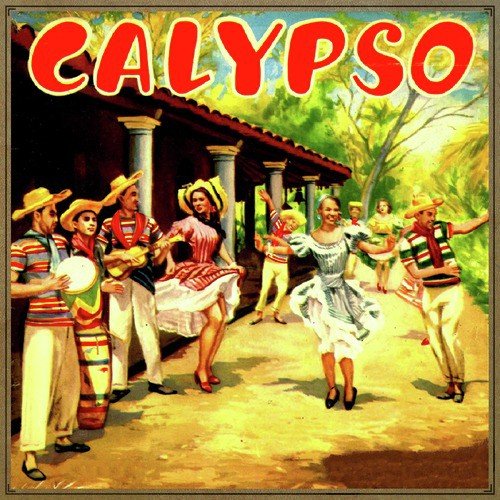
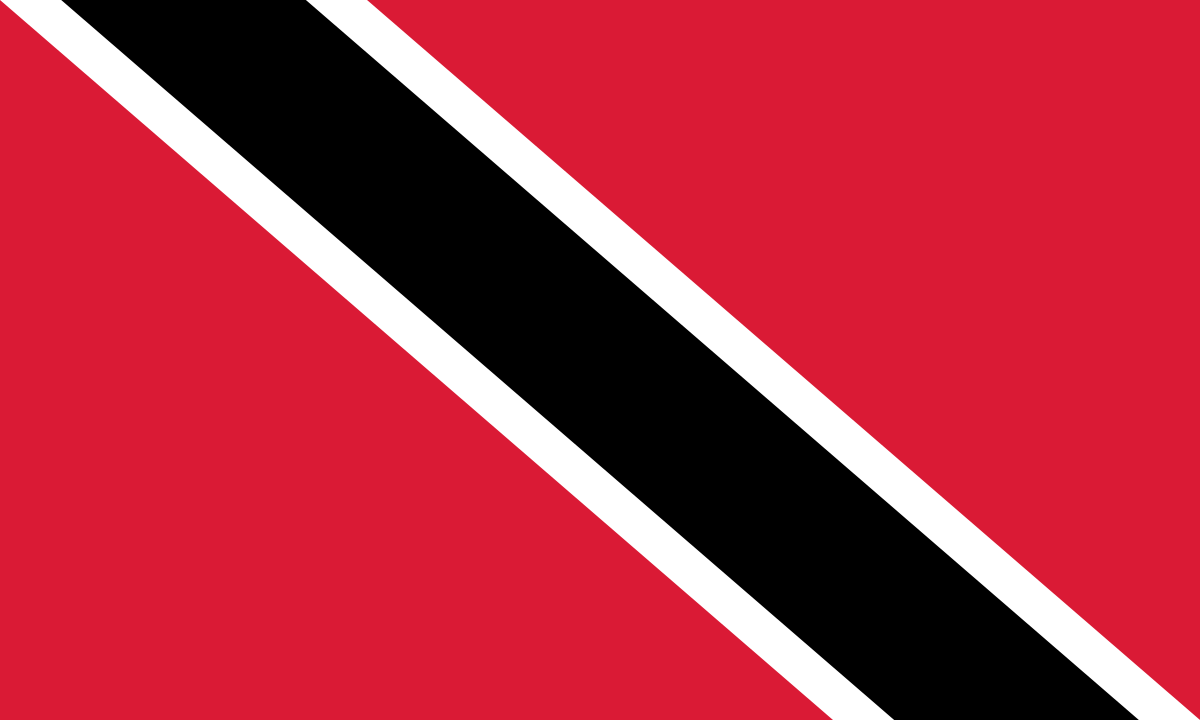
Calypso emerged in Trinidad and Tobago in the 1800s, blending African musical traditions with the social realities of colonial Caribbean life.
During slavery and the post-emancipation era, Calypso became the voice of the people.
Calypsonians used music to:
- Report news
- Criticize political leaders
- Mock colonial authorities
- Tell community stories
Because newspapers and radio were not accessible to many people, Calypsonians became known as “the newspapers of the Caribbean.”
But what made Calypso revolutionary was its lyrical style.
Calypsonians mastered:
- Rhythmic speech over music
- Storytelling through verse
- Clever wordplay and double entendre
- Competitive lyrical battles
These elements would later become foundational to multiple global genres.
The Calypso Blueprint for Caribbean Music
Before Reggae dominated the global Caribbean sound, Calypso records were widely circulated across the Caribbean during the early and mid-20th century.
Trinidadian Calypsonians toured the region, and Calypso music played on radios from Jamaica to Barbados to Guyana.
This influence helped shape early Caribbean music traditions, including:
- Jamaican Mento
- Ska and Rocksteady
- Reggae storytelling traditions
The idea that music should reflect social commentary, humor, and political critique was deeply embedded in Calypso culture long before Reggae carried it to global audiences.
Trinidad’s Creation of Soca: The Evolution of Calypso
Perhaps the most direct musical descendant of Calypso is Soca, which was born in Trinidad in the 1970s.
Musician Lord Shorty (Garfield Blackman) sought to modernize Calypso and reflect Trinidad’s multicultural population by blending:
- Traditional Calypso rhythms
- Indian musical elements
- New electronic instrumentation
He called the new sound “Soca,” meaning Soul of Calypso.
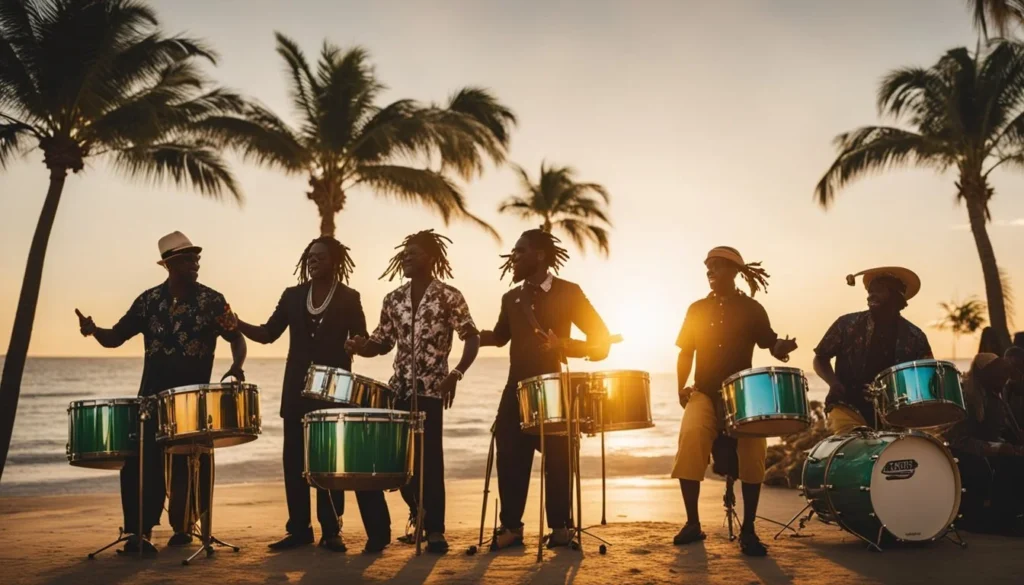
Soca would go on to become the modern soundtrack of Caribbean carnival culture, influencing party music across the region and diaspora communities worldwide.
Today, Trinidad’s Soca artists headline carnivals in:
- London
- Toronto
- Miami
- New York
- Amsterdam
Yet its roots remain firmly in Calypso’s Trinidadian heritage.
Calypso and the Birth of Rap and Hip-Hop
One of the most fascinating aspects of Calypso’s influence is its connection to Hip-Hop culture.
Hip-Hop emerged in the Bronx during the 1970s, a time when Caribbean immigrants—particularly from Jamaica and Trinidad—played major roles in shaping the scene.
While Jamaican sound system culture influenced DJ techniques, Calypso contributed something equally important: lyrical performance tradition.
Long before rap existed, Calypsonians were already performing:
- Rhythmic spoken verses over music
- Competitive lyrical battles
- Social commentary through rhyme
- Boasting and satire
These traditions mirror the structure of modern rap lyricism.
In many ways, Calypsonians were the earliest masters of rhythmic spoken storytelling in popular music.
Trinidad’s Global Breakthrough: Calypso Goes International
Calypso’s global explosion came in the 1950s, when Harry Belafonte introduced the sound to international audiences.
His 1956 album Calypso became:
- The first album ever to sell over one million copies
- A cultural bridge between Caribbean music and the global market
Songs like “Day-O (The Banana Boat Song)” brought Caribbean rhythms into mainstream Western music.
But Belafonte’s success was built on the musical traditions developed by earlier Trinidadian Calypsonians such as:
- Attila the Hun
- Roaring Lion
- Lord Invader
- Growling Tiger
These artists helped establish Calypso as one of the Caribbean’s earliest internationally recognized musical forms.
The Legacy of Trinidadian Musicians
Trinidad and Tobago’s influence on music extends far beyond Calypso.
The country has produced a lineage of artists who pushed Caribbean music forward, including:
Mighty Sparrow – widely considered the greatest Calypsonian in history
Lord Kitchener – a master composer and cultural icon
Calypso Rose – one of the most influential female voices in Caribbean music
Lord Shorty – the creator of Soca
Machel Montano – the modern global ambassador of Soca
Each generation expanded the reach of Trinidadian music, carrying Calypso’s DNA into new eras.
Why Trinidad’s Contribution Is So Important
While many Caribbean genres have found global fame, the cultural and lyrical framework of Caribbean music began with Calypso.
Trinidad created a musical tradition that showed how music could be:
- Political
- Humorous
- Story-driven
- Competitive
- Socially conscious
These ideas now exist across genres worldwide—from Reggae to Rap to modern Caribbean pop.
In many ways, Calypso was one of the Caribbean’s first global music movements.
And at its center was Trinidad and Tobago.
The Foundation of Caribbean Music
Today, Soca, Dancehall, Reggae, and Afro-Caribbean music dominate international playlists.
But underneath the beats, the hooks, and the festivals lies a deeper cultural lineage.
That lineage leads back to Trinidad’s Calypso tradition.
A tradition where musicians didn’t just make music.
They documented society, challenged power, entertained the masses, and shaped the future of Caribbean sound.


 September 11 – September 25