


Mel
Everything You Know About the Japanese Geisha is Wrong
In This Article
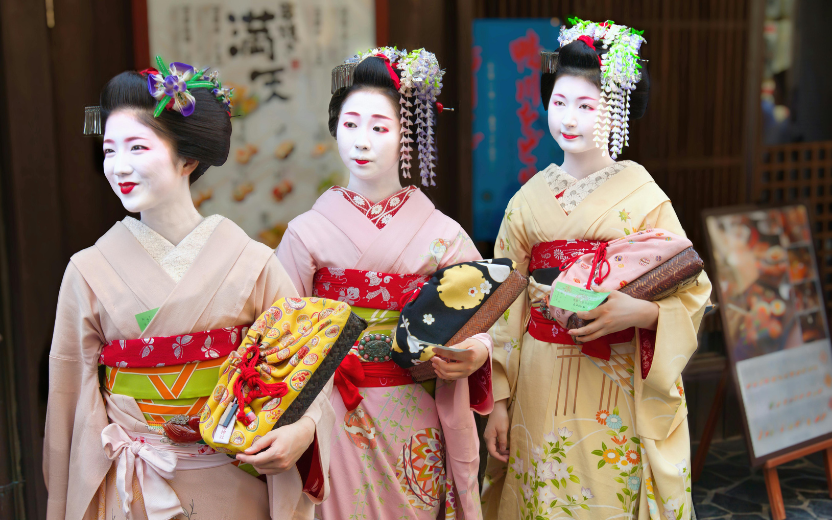
Mention the word Geisha, and the same image instantly pops into mind. Most people picture porcelain-white makeup, heavy silk kimonos, and a fleeting silhouette vanishing down a lantern-lit alley in Kyoto.
Even though they are among Japan’s most famous cultural icons, the world behind those closed paper doors remains deeply misunderstood. In fact, some of the most fascinating truths about their lives sound so unusual that they seem like fiction.
Yet, they are entirely real. Here is what lies beneath the surface of Japan’s most enigmatic tradition.
1. The pioneers of this art form were actually men
It sounds like a plot twist, but it is historical fact. When the profession first emerged in Japan during the 18th century, it was entirely dominated by men. Known as taikomochi or hōkan, these men were the ultimate hosts who entertained guests with music, witty storytelling, and sharp conversation.
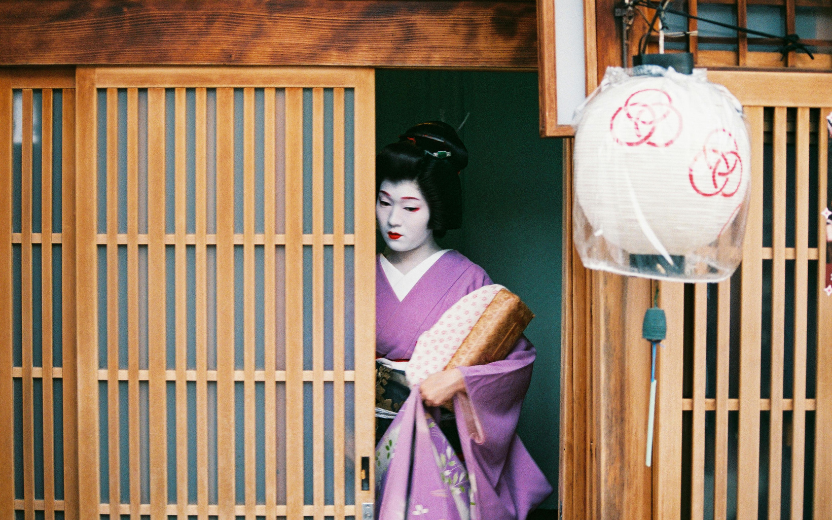
As female artists stepped into the spotlight years later, their grace and artistry completely stole the show. Over time, they transformed the profession into the female-led tradition we recognize today. So technically, the original Geisha weren’t women at all.
2. Sleeping on a wooden block to protect a masterpiece
Before becoming a full-fledged Geiko, which is the local term for Geisha in Kyoto, apprentices known as Maiko must endure years of intense training. Part of that training involves mastering their hair. A Maiko’s structural hairstyle is woven entirely from her own hair and takes hours of painful precision to create.
To protect this costly artwork, they cannot wash or restyle it daily. Instead, they must sleep on a takamakura, which is a small, solid wooden cradle placed directly under the nape of the neck. It keeps the head suspended in mid-air all night so the hair never touches the mattress. It sounds incredibly uncomfortable because it absolutely is.
3. How a simple collar reveals a Maiko’s experience level
To a tourist, a kimono is just a beautiful piece of clothing. To a local in Kyoto’s historic districts, it is a visual resume. One of the easiest ways to tell how far along a Maiko is in her career is by looking closely at her inner collar.
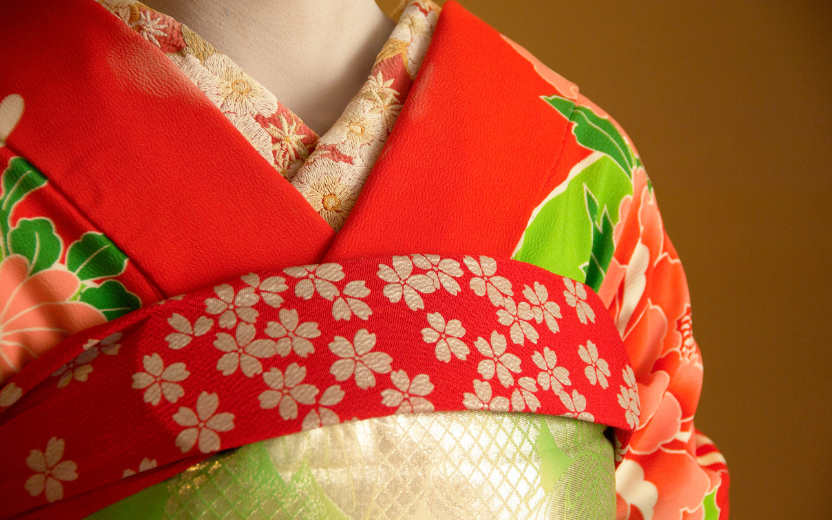
Brand-new apprentices wear collars heavily embroidered in vibrant red. As they gain experience, master their arts, and edge closer to graduation, the red slowly fades, turning into a pure, unadorned white. It is a quiet, beautiful detail that most visitors miss entirely.
4. The famous white makeup was an 18th-century lighting solution
The striking white face makeup, called Oshiroi, is often assumed to be purely decorative. Historically, however, it was born out of sheer necessity.
Long before the invention of electric lightbulbs, evening banquets were held in dark tatami rooms illuminated only by the flickering warmth of candles and oil lamps. The thick white powder acted as a natural canvas, catching the firelight to illuminate the artist’s facial expressions and making them visible in the shadows. What looks like a mask today was actually a clever historical lighting trick.
5. You have probably never seen a real Geisha on the street
Every evening, thousands of travelers wander through Kyoto’s historic Gion district with cameras ready, hoping to catch a glimpse of a Geisha. Many leave convinced they saw one.
Most of the time, they didn’t.
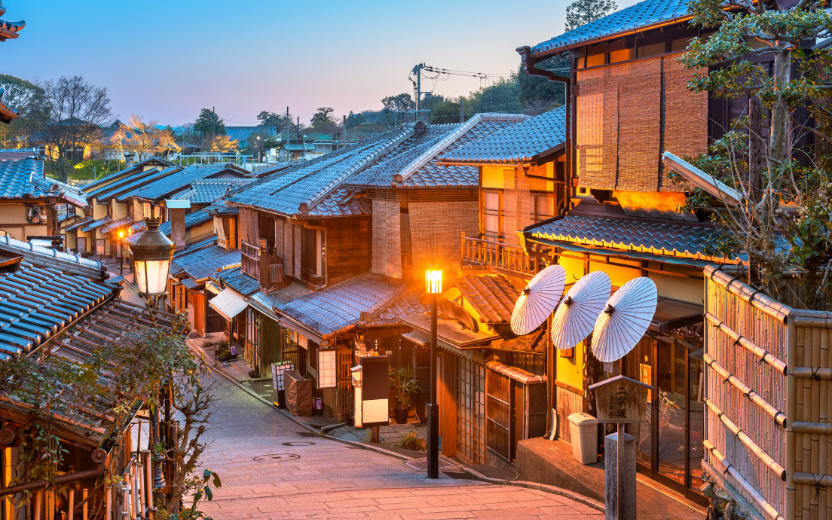
Kyoto has a wonderful cultural makeover industry where tourists can dress up as Maiko for photos. While it is a beautiful celebration of the culture, it makes it hard to distinguish between a traveler having fun and a real working professional. Authentic Geisha are elite artists heading to private, highly exclusive engagements. If you do happen to see one quietly gliding through the twilight, know that you have just witnessed a truly rare moment.
Discover Kyoto Beyond the Postcard
The deeper you look into the world of Kyoto’s living masterpieces, the more you realize it isn’t about dress-up. It is an unbroken lineage of discipline, preservation, and high art.
At MASX, we believe that travel should do more than just check destinations off a bucket list. We design curated, deep-dive journeys into the heart of Kyoto, connecting you directly with the authentic heritage, hidden sanctuaries, and human stories that define Japan’s former imperial capital.
Don’t just look at the culture from afar. Experience it.
👉 Explore our private Japan expeditions
https://masxworld.com/japan/
—————————————————
Follow MASX for cinematic travel inspirations, hidden gems, cultural facts, and so much more!
Instagram: https://www.instagram.com/masxworld
TikTok: https://www.tiktok.com/@masxworld
YouTube: https://www.youtube.com/@masxworld