

Mel
Japan’s Toilet Gods: Why Even Washrooms Deserve Respect
In This Article
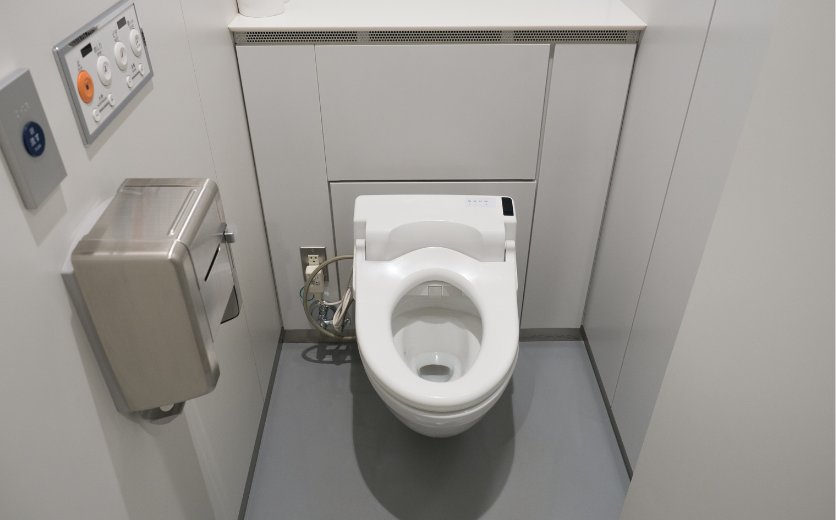
Did you know that in Japan, even toilets have their own gods?
Yes, you read that correctly.
In a country famous for its spotless streets, beautifully maintained public spaces, and remarkably clean toilets, there’s a fascinating traditional belief that might help explain why cleanliness holds such an important place in Japanese culture.
According to Japanese folklore, even the humble toilet can be home to a divine presence.
And while most Japanese people aren’t literally praying to their toilets every morning, the stories behind this unusual belief reveal something wonderful about Japanese traditions, education, and everyday life.
Meet Kawaya-no-Kami (厠の神): The Toilet Deity
In Japanese folk religion, Kawaya-no-Kami (厠の神) refers to a deity or spiritual presence associated with toilets.
The belief reflects a broader Japanese spiritual tradition in which kami (神), often translated as gods or spirits, can be associated with natural surroundings, everyday places, and different aspects of human life.
And yes, that includes the bathroom!
Historically, toilets were sometimes considered spiritually significant places because they were associated with impurity, illness, and the need for purification.
In some communities, people believed that respecting the toilet deity and keeping the space clean could help protect the household from illness and misfortune.
There were even regional customs involving offerings or prayers to toilet deities, particularly in connection with childbirth and family well-being.
It might sound unusual today, but the idea carries a surprisingly meaningful message.
Even the places we consider ordinary, unpleasant, or unimportant deserve care and respect.
A Clean Toilet Brings Good Fortune?
Here’s where things get even more interesting.
According to certain Japanese folk beliefs, cleaning your toilet can bring good luck, prosperity, and even beauty!
Some traditional beliefs connect toilet deities with safe childbirth and the health or appearance of children.
There are also popular modern ideas suggesting that keeping your toilet spotless can attract financial luck.
But perhaps the most famous modern example comes from Japanese music.
In 2010, Japanese singer Kana Uemura released a song called Toilet no Kamisama (トイレの神様), meaning The Goddess of the Toilet.
The song tells the touching story of a grandmother who teaches her granddaughter that a beautiful goddess lives in the toilet.
According to her grandmother, if she cleans the toilet every day, the goddess will make her beautiful too.
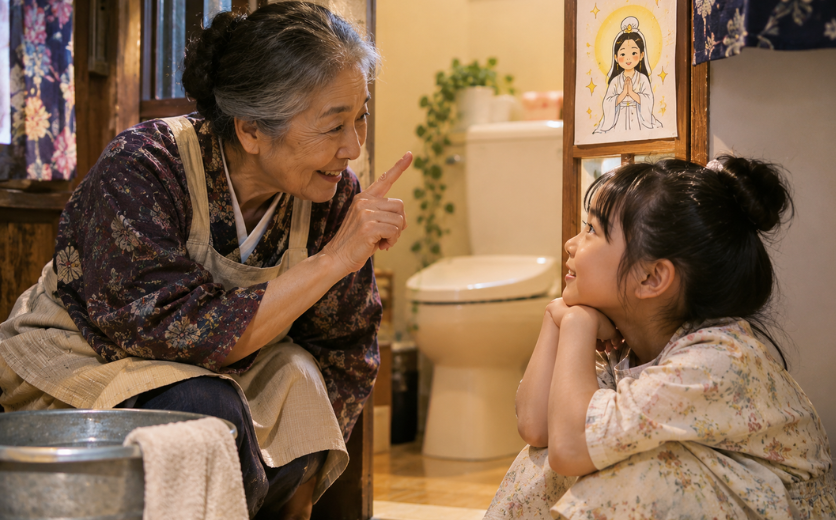
What begins as a rather funny childhood lesson becomes an emotional story about family, growing up, and remembering the wisdom of someone you love.
The song became a major hit in Japan, introducing this unusual traditional belief to a new generation.
Who knew a song about cleaning toilets could make an entire country cry?
In Japan, Cleaning Starts at School
Now, here’s something else that surprises many visitors to Japan.
Japanese students often clean their own schools.
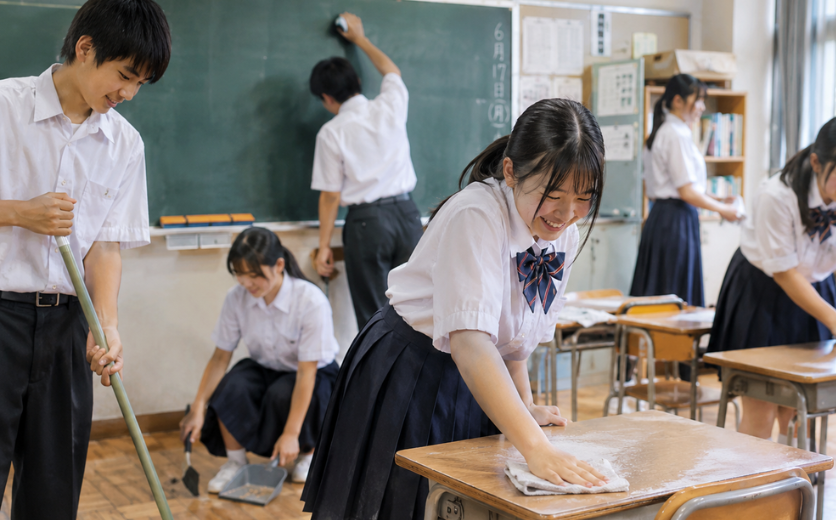
In many elementary, junior high, and high schools, students participate in a daily cleaning period called sōji no jikan (掃除の時間), or cleaning time.
Often scheduled after lunch or toward the end of the school day, students work together to clean classrooms, hallways, staircases, entrances, and school grounds.
And yes, that includes the toilets too!
Rather than leaving all the cleaning to professional staff, schools give students responsibility for maintaining the spaces they use every day.
One student might sweep the classroom floor while another wipes desks. Others might clean the hallway, organize supplies, or take care of shared spaces.
It’s not simply about making the school look nice.
It’s about learning responsibility, teamwork, consideration for others, and respect for shared environments.
Of course, cleaning routines differ between schools, and professional staff still handle certain maintenance and sanitation tasks.
But for many Japanese children, helping to keep their school clean is as normal as attending class or eating lunch.
Do Japanese Children Really Believe in Toilet Gods?
Not necessarily!
And that’s what makes the relationship between folklore and everyday habits so interesting.
Japanese children may encounter stories about toilet gods through grandparents, parents, songs, books, or other cultural experiences.
Some might believe the stories when they’re young. Others simply enjoy them as amusing pieces of folklore.
The idea isn’t that every Japanese child learns about toilet gods as part of the school curriculum.
Rather, traditional stories like these exist alongside everyday lessons about cleanliness and responsibility.
At home, children might hear that keeping the toilet clean brings good luck. At school, they learn to take care of the classrooms and shared spaces they use.
The reasons may be different, but the underlying message is similar.
Take care of your surroundings, even when nobody is watching.
You don’t have to believe that a goddess lives in the bathroom to appreciate that lesson.
Why Cleanliness Is More Than Just a Habit
Visitors to Japan often notice how clean many public spaces are, from train stations and shopping areas to public restrooms.
But Japan’s reputation for cleanliness isn’t simply the result of an ancient belief about toilet gods.
It’s shaped by many influences, including education, social expectations, public services, workplace routines, and cultural ideas about consideration for others.
One important concept is meiwaku (迷惑), which refers to trouble or inconvenience caused to other people.
Avoiding unnecessary inconvenience to others is a familiar social principle in Japan.
That can mean disposing of rubbish properly, leaving shared facilities ready for the next person, or cleaning up after yourself.
And the habit often begins early.
When children regularly help clean their classrooms, they experience firsthand how much effort it takes to maintain a shared environment.
Perhaps that makes them a little more thoughtful about leaving a mess behind.
Not every Japanese street is spotless, and not everyone follows these habits perfectly, of course.
But the connection between personal responsibility and shared spaces remains an important part of everyday Japanese life.
So, Do Japanese People Actually Believe Toilets Have Gods?
The answer is yes, as a traditional folk belief. But not necessarily as a literal belief shared by everyone today.
Some Japanese people are familiar with Kawaya-no-Kami and the idea that cleaning toilets brings good fortune. Others know the famous song Toilet no Kamisama. And some may simply consider these stories charming traditions from an earlier generation.
What makes the belief fascinating isn’t whether there’s really a goddess hiding somewhere behind a modern Japanese toilet.
It’s the message that has survived through the generations.
A place doesn’t have to be beautiful, sacred, or important to deserve respect.
Even a toilet deserves to be kept clean.
And when that idea becomes part of childhood lessons, family stories, and everyday routines, it can help encourage habits that last a lifetime.
Maybe the real magic of Japan’s toilet gods isn’t the good fortune they promise.
It’s the good habits their stories inspire.
Discover Everyday Japan With MASX
Japan is full of fascinating traditions, and some of the most interesting aren’t found in famous temples or historic landmarks.
They’re hidden in everyday life, from the way children care for their classrooms to the small customs and stories passed down through generations.
Curious about how Japanese people really live? Come experience it for yourself with MASX!
Explore MASX Japan: https://masxworld.com/japan/