



uyen.truongnm
Korea Food Guide 2025: Best Dishes, Tipping Rules & How to Pay Smart
Food is one of the best parts of visiting South Korea. From spicy street snacks to sizzling BBQ and bubbling stews, Korean cuisine is bold, cozy, and incredibly fun to share.
Here are essential dishes every traveler should try, followed by tipping rules (good news: it’s easy!) and how to pay without stress.
🔸Bibimbap – Colourful Mixed Rice
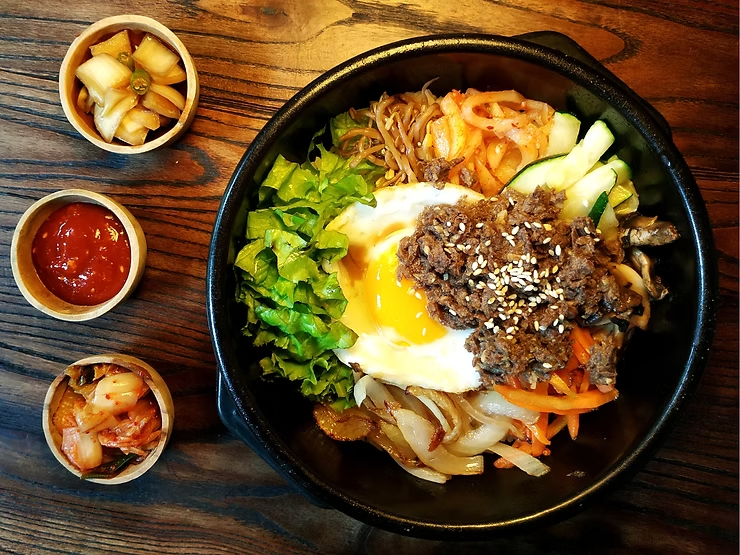
Bibimbap literally means “mixed rice” and it’s one of the easiest dishes for first-time visitors.
A warm bowl of rice topped with colourful vegetables, egg, sometimes meat, plus gochujang (chili paste). Mix everything together and enjoy. You’ll find versions in hot stone bowls (dolsot bibimbap) that stay sizzling.
Where to try: casual restaurants, food courts, highway rest stops, even convenience stores.
🔸Bulgogi & Korean BBQ (Samgyeopsal)
Bulgogi is thinly sliced beef marinated in soy, garlic, sesame oil and a bit of sweetness—grilled or pan-fried and eaten with rice or in lettuce wraps.
Samgyeopsal is thick slices of pork belly (like unsmoked bacon) grilled at your table. You wrap the meat in lettuce with garlic, chili, and ssamjang (a savoury paste). It’s social, smoky, and unforgettable.
Tip: Many BBQ places are “minimum 2 people,” so it’s perfect with friends.
🔸Tteokbokki – Spicy Rice Cakes
Chewy rice cakes simmered in a sweet-spicy gochujang sauce, often with fish cakes and boiled eggs. This is classic street food and a must for snack lovers.
Where to try: street stalls, pojangmacha (tented stalls), food markets like Gwangjang or Myeongdong.
🔸Kimchi Jjigae & Sundubu Jjigae – Cozy Stews
Korea does comfort food extremely well.
- Kimchi jjigae – stew made with kimchi, tofu, pork or tuna; spicy, tangy, and warming.
- Sundubu jjigae – soft tofu stew with silky tofu, egg, and usually seafood or meat in a spicy broth.
These often come bubbling in stone bowls with rice on the side.
🔸Naengmyeon – Cold Noodles
Perfect for summer. Naengmyeon are thin, chewy buckwheat noodles served in icy broth or with spicy sauce, topped with sliced beef, cucumber and pear.
Tip: You can ask for scissors to cut the noodles—they’re traditionally very long.
🔸Japchae – Glass Noodles
Stir-fried sweet potato glass noodles with vegetables and sometimes beef, seasoned with soy and sesame oil. Light but flavourful, and great for people who prefer mild dishes.
🔸Samgyetang – Ginseng Chicken Soup
A whole small chicken stuffed with rice, garlic and jujubes in a clear ginseng broth. Traditionally eaten in summer to “fight heat with heat,” but delicious all year.
🔸Haemul Pajeon & Other Pancakes
Haemul pajeon is a crispy pancake made with green onions and seafood, perfect on a rainy day with a cup of makgeolli (rice wine).
You’ll also find kimchi jeon (with kimchi) and other varieties.
🔸Gimbap – Korea’s Grab-and-Go Roll
Rice and fillings (egg, vegetables, ham, tuna, etc.) rolled in seaweed. Think “Korean picnic roll.” Great for train rides, hikes, or quick snacks.
🔸Hotteok & Street Snacks
For dessert or a sweet break:
- Hotteok – stuffed pancakes with brown sugar, nuts and cinnamon.
- Fish-shaped bread with red bean or custard
- Corn dogs, skewers, and endless trendy street treats
Night markets and busy shopping areas are full of options.
🔸Don’t Forget the Banchan (Side Dishes)
In many Korean restaurants, especially BBQ and stews, you’ll get banchan – small side dishes such as kimchi, pickles, seasoned spinach, bean sprouts and more. They are usually included and can often be refilled.
This is a big part of the Korean dining experience, and you don’t pay extra like “per side dish” in many Western restaurants.
Tipping in South Korea: Do You Need to Tip?
Short answer: No. Really.
South Korea has a strong no-tipping culture in everyday life. Service charges (if any) are built into prices, and staff are paid fixed wages rather than relying on tips.
- Restaurants: No tip expected.
- Cafés: No tip expected (though you might occasionally see a small tip jar).
- Taxis: Drivers will return your change, even small coins.
- Hotels: Bellhops and housekeeping do not expect tips, even in nice hotels.
Recently, a few touristy places have experimented with tip boxes or digital tipping on kiosks, and high-profile stories (like a Samsung chairman leaving a large tip) made news because tipping is unusual.
So what should travelers do?
- You do not need to tip to be polite.
- If you really want to say thanks:
- Smile and say “감사합니다” (gam-sa-ham-ni-da)
- Leave a nice review online for the restaurant or café
How to Pay in South Korea: Card, Cash, or Apps?
South Korea is one of the most cashless countries in the world.
🔸Cards
Credit and debit cards (Visa, Mastercard, sometimes AmEx) are widely accepted in:
- Chain cafés
- Restaurants
- Shops and malls
- Hotels
- Convenience stores
Card usage has grown massively; the Korean card market is projected to keep rising, and card payments are normal even for relatively small amounts.
🔸Mobile Payments
Locals love mobile wallets like Naver Pay, KakaoPay, Samsung Pay, Toss, etc.
As a visitor, you may not always be able to set these up without a local phone number and bank account, so don’t rely on them unless you know your specific app (like Samsung Pay with a foreign card) works in Korea.
🔸Cash – Do You Still Need It?
Yes, a little.
Despite the cashless trend, it’s still smart for travelers to carry some Korean won for:
- Traditional markets and small street stalls
- Some older, family-run restaurants
- Rural or small-town shops
- Split bills with friends if someone paid by card
ATMs in convenience stores usually accept foreign cards, but check fees.
Good rule of thumb:Use card where you can, keep enough cash for one day’s food + transport + a bit extra.
Practical Payment Tips for Travelers
- Contactless is common: Many terminals accept tap-to-pay cards and phone wallets.
- Transport cards (T-money, etc.): Load these with cash at machines or convenience stores to pay for buses, subways, and sometimes taxis.
- Check your bank: Let them know you’re travelling; some banks block foreign transactions by default.
- Keep a backup card: Just in case one card doesn’t work in a particular terminal.
- Receipts: In many places, you tap the screen or kiosk yourself—just follow the English option.
Eat Big, Pay Easy, No Tip Needed
South Korea is a fantastic destination for food lovers. You can:
- Feast on bibimbap, BBQ, stews, noodles, pancakes and street snacks
- Enjoy generous side dishes
- Pay mostly by card
- And relax knowing tipping is not expected
That means you can focus on what matters: eating well, exploring more, and enjoying the warm (and spicy!) side of Korean hospitality.