


MASX WORLD
Setsubun in Japan: Bean Throwing, Lucky Sushi & Chasing Away Bad Vibes
If you happen to be in Japan around February 3, you might hear people shouting something unexpected:
“Oni wa soto! Fuku wa uchi!”
(“Demons out! Good luck in!”)
No, it’s not a protest or a spell—it’s Setsubun, one of Japan’s most playful and meaningful seasonal traditions.
What Is Setsubun?
Setsubun marks the end of winter and the beginning of spring according to Japan’s traditional calendar. It’s all about clearing out bad luck, negative energy, and misfortune from the past year—basically a cultural reset button before spring begins.
While it’s not a public holiday, it’s widely celebrated across the country, from family homes to temples and shrines.
What Do Locals Do on Setsubun?
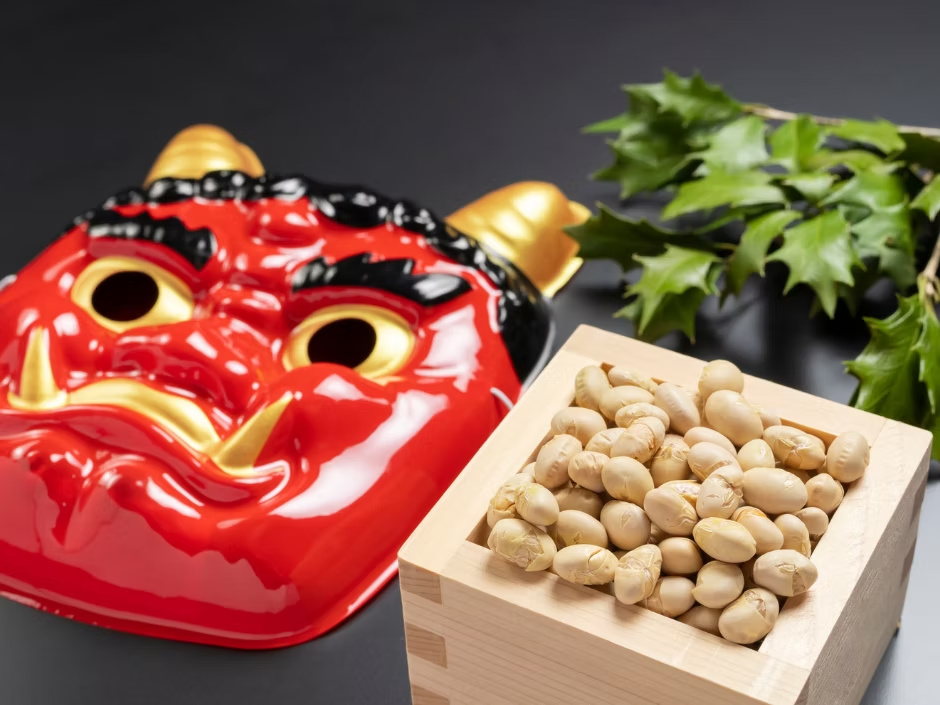
The most famous tradition is mamemaki—bean throwing.
Families throw roasted soybeans either:
- Out their front door
- Or at someone dressed up as an oni (a demon)
The idea?
Beans symbolically chase away evil spirits and invite good fortune for the year ahead.
Kids LOVE this part. Adults… pretend they don’t 😄
After throwing the beans, people eat:
- The same number of beans as their age (plus one extra for luck)
Crunchy, simple, and very Japanese.
The Lucky Sushi Roll: Ehomaki
Another Setsubun tradition is eating ehomaki, a thick sushi roll packed with ingredients believed to bring good luck.
The rules?
- Eat it whole
- Face the year’s lucky direction
- Stay silent while eating (no laughing, no chatting!)
It sounds serious—but it’s actually kind of hilarious watching everyone focus intensely on their sushi.
Shrines, Temples & Big Celebrations
If you’re visiting Japan on Setsubun, head to a temple or shrine.
Many hold special events where:
- Celebrities or monks throw beans to crowds
- People cheer, laugh, and scramble for “lucky” beans
- Traditional performances add to the festive atmosphere
Popular spots like Senso-ji in Tokyo or Yasaka Shrine in Kyoto get especially lively.
Why Travelers Should Experience Setsubun
Setsubun is one of those traditions that:
- Locals genuinely enjoy
- Doesn’t feel touristy
- Lets you participate, not just observe
You don’t need to speak Japanese or plan far ahead—just join in, laugh, eat some beans, and feel the seasonal shift alongside everyone else.
If you’re in Japan on February 3, don’t skip it.It’s a small moment—but it captures Japan’s love for ritual, humor, and fresh starts perfectly.
LIVE ULTIMATE XPERIENCES (L.U.X.) IN JAPAN!
Please book your next vacation here: Japan: LOST IN JAPAN