

MASX WORLD
What Exactly Is Matcha? – More Than Just a Trendy Green Drink
Walk into any popular café today, and you’re likely to see matcha lattes or matcha-infused desserts on the menu. This vibrant green powder has become a favorite ingredient in everything from ice cream to pastries. But while matcha may feel like a modern food trend, it has a rich history that goes back centuries in Japan. So, what exactly is matcha, and why is it so special?
What Exactly Is Matcha?
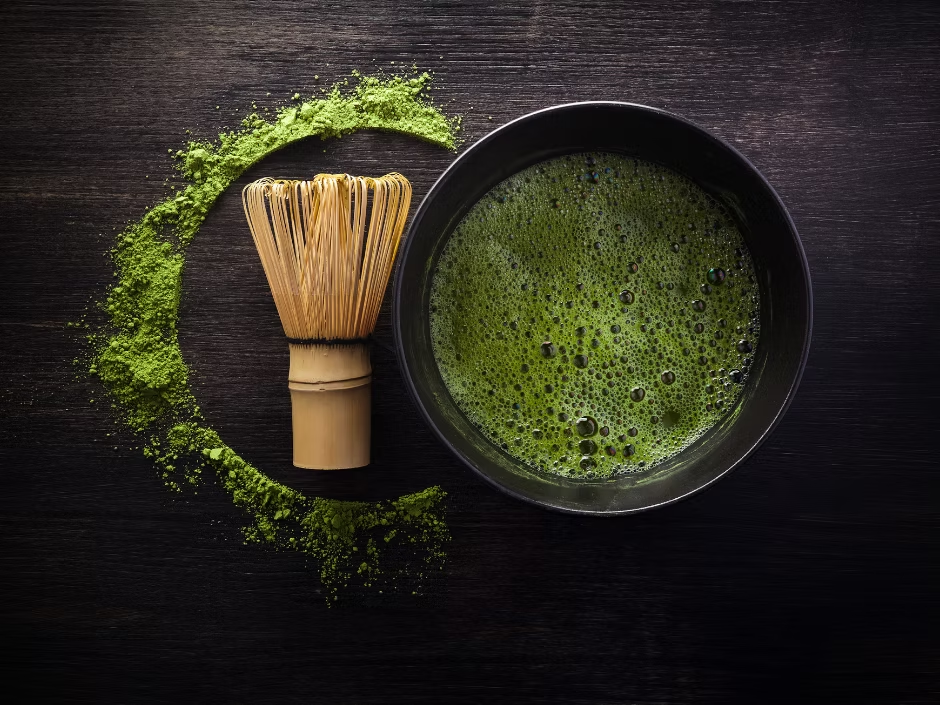
Matcha is a type of finely ground green tea powder made from specially grown and processed tea leaves. Unlike regular green tea—where you steep the leaves and discard them—matcha is whisked into water or milk, and you consume the entire powdered leaf. This means you’re getting all the nutrients and antioxidants the tea has to offer.
How Matcha Is Made
Producing matcha is a careful and labor-intensive process:
- Shade-Grown Tea Plants
- About three weeks before harvest, tea bushes are covered with shade cloth.
- This slows down growth, boosts chlorophyll levels, and gives the leaves their deep green color and rich flavor.
- Hand-Picked Leaves
- Only the youngest, most tender leaves are harvested.
- Steaming & Drying
- Leaves are quickly steamed to prevent oxidation, preserving their vibrant green color.
- Stone Grinding
- The dried leaves, called tencha, are slowly ground into an ultra-fine powder using traditional stone mills.
A Taste That’s Unique
Matcha has a distinct flavor profile:
- Umami-rich – Savory and slightly grassy.
- Naturally sweet – No sugar needed, though some café drinks add it.
- Smooth yet slightly bitter – A balance that tea lovers adore.
Matcha in Japanese Culture
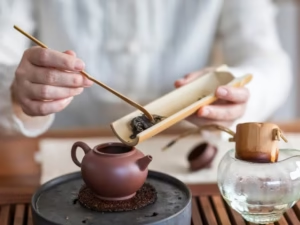
In Japan, matcha is not just a drink—it’s at the heart of the traditional tea ceremony, known as chanoyu or sado. The ceremony emphasizes harmony, respect, purity, and tranquility, and every movement in preparing and serving the tea has meaning.
Health Benefits of Matcha
Because you’re consuming the entire tea leaf, matcha packs a stronger nutritional punch than regular steeped tea:
- High in antioxidants (especially catechins) that help fight free radicals.
- Boosts alertness and calmness thanks to the combination of caffeine and L-theanine.
- Supports metabolism and may aid in weight management.
How People Enjoy Matcha Today
While traditional matcha is whisked with hot water in a bowl, modern cafés have found countless ways to incorporate it:
- Matcha Lattes – Creamy blends of milk (or non-dairy alternatives) and matcha.
- Matcha Sweets – Cakes, macarons, ice cream, and cookies.
- Matcha Smoothies – Blended with fruits for a healthy twist.
Is All Matcha the Same?
No—there are two main grades:
- Ceremonial Grade – Highest quality, smooth flavor, used for traditional tea drinking.
- Culinary Grade – Slightly more bitter, used for cooking and baking.
Matcha might be trendy now, but its roots run deep in Japanese culture and tradition. Beyond its beautiful green color and Instagram-worthy lattes, matcha is a mindful drink with centuries of history, unique flavor, and real health benefits. Next time you sip on that creamy matcha latte, you’ll know—you’re tasting a piece of Japanese heritage in every cup.
LIVE ULTIMATE XPERIENCES (L.U.X.) IN JAPAN!
Would like to visit Japan? Check our packages! Japan: LOST IN JAPAN