

Mel
Why Japan Loves Fireworks: More Than Just a Summer Spectacle
In This Article
Every summer, as the humid evening air settles over rivers, lakes, and coastlines across Japan, something remarkable happens.
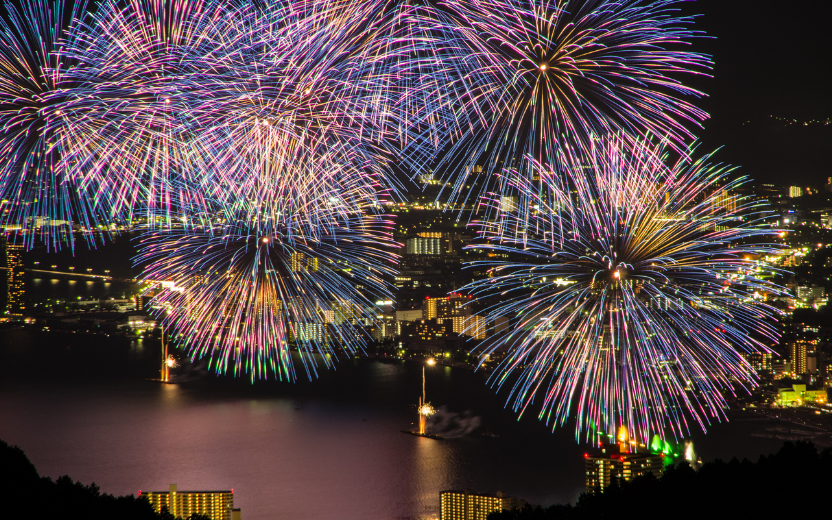
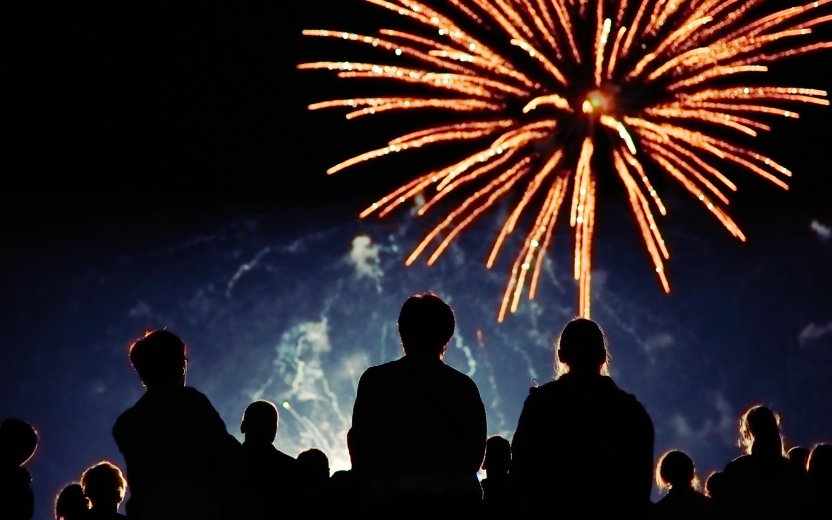
Hundreds of thousands of people gather wearing colorful yukata, carrying picnic mats and festival food, patiently waiting for darkness to fall. When the first firework blooms across the sky, the crowd doesn’t erupt into loud celebration. Instead, many simply pause, look upward, and quietly admire the fleeting moment.
To many visitors, it may seem surprising that a Japanese fireworks festival often lasts 90 minutes to two hours, with tens of thousands of fireworks launched in carefully choreographed sequences. Yet for the Japanese, these evenings are about far more than entertainment.
They are a celebration of one of Japan’s oldest and most cherished ways of seeing the world.
A Tradition That Began Centuries Ago
Japan’s love of fireworks dates back to the Edo Period (1603–1868). One of the earliest and most famous displays was held along the Sumida River in Tokyo in 1733.
Originally organized to honor those lost to famine and disease while praying for peace and good harvests, fireworks gradually evolved into annual summer festivals enjoyed by communities throughout the country.
Today, famous events such as the Sumidagawa Fireworks Festival in Tokyo, Nagaoka Fireworks Festival in Niigata, and Omagari National Fireworks Competition in Akita attract hundreds of thousands of spectators every year.
Yet despite their enormous scale, the heart of these festivals has remained remarkably unchanged.
More Than Watching Fireworks
A Japanese fireworks festival is not something people simply “drop by.”
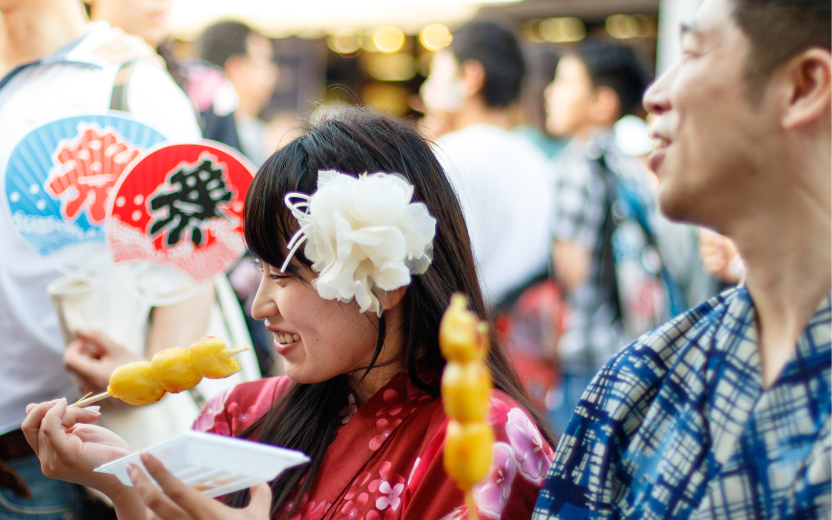
Families and friends often reserve viewing spots hours in advance. Many dress in traditional yukata, stroll through rows of food stalls, play festival games, and share seasonal treats before the show begins.
Then, for nearly two hours, they watch the night sky transform.
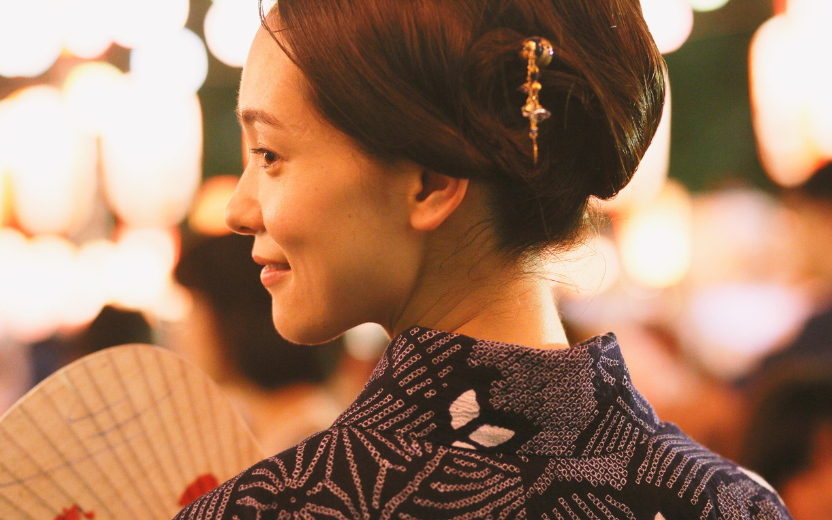
There are moments of thunderous applause after spectacular bursts. But just as often, there are stretches of quiet appreciation as each firework appears brilliantly for only a few seconds before disappearing forever.
That disappearing is exactly the point.
The Beauty of “Mono no Aware”
To understand Japanese fireworks, it helps to understand a philosophy known as Mono no Aware (物の哀れ).
Often translated as “the gentle awareness of the impermanence of things,” Mono no Aware is the appreciation that beauty becomes even more meaningful because it does not last.
Rather than resisting change, it encourages us to treasure each moment precisely because we know it will soon be gone.
This idea appears throughout Japanese culture.
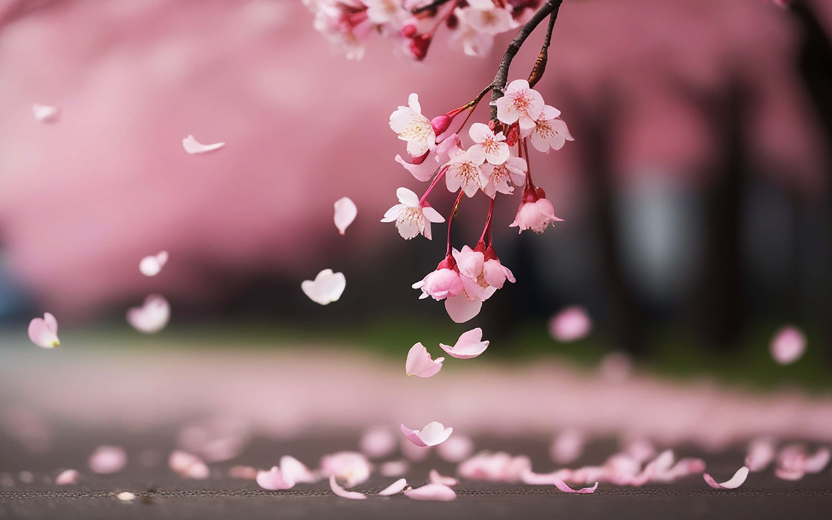
In spring, people gather beneath blooming cherry blossoms, knowing the petals will fall within days.
In summer, fireworks illuminate the sky for only a few breathtaking seconds before fading into darkness.
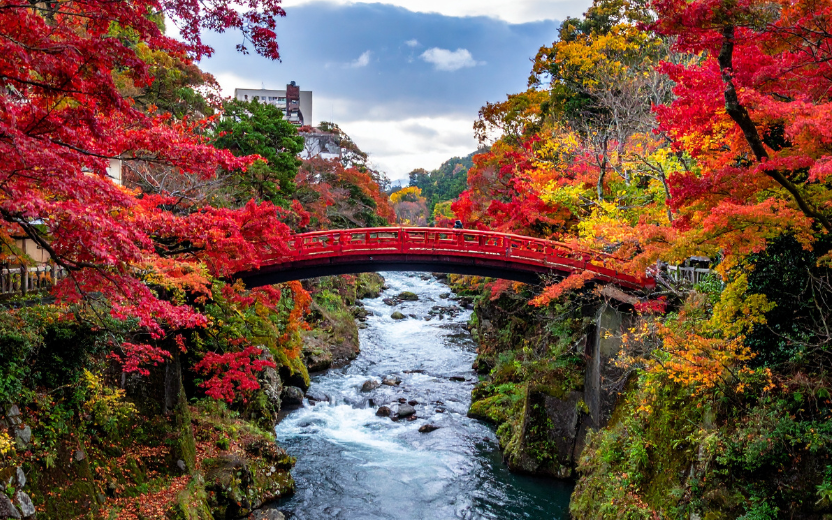
In autumn, crowds travel across the country to admire brilliant maple leaves before they disappear with the changing season.
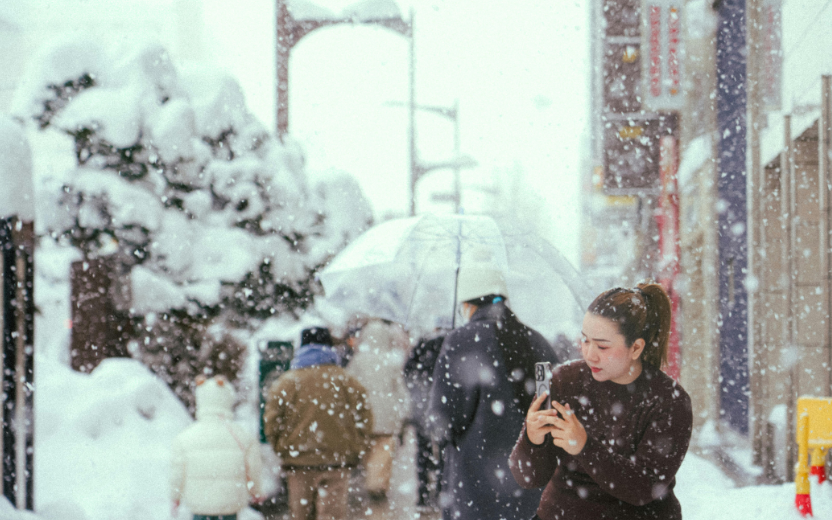
Even winter’s snow-covered landscapes are cherished, knowing that warmth will soon arrive and melt them away.
Each season offers its own beautiful reminder that nothing remains exactly as it is.
Fireworks are simply summer’s expression of that timeless idea.
A Summer Memory That Stays Long After the Lights Fade
Perhaps this is why Japanese fireworks festivals leave such a lasting impression.
The excitement comes not only from the explosions of color overhead, but from sharing an evening with family, friends, and complete strangers—all looking toward the same sky, fully aware that the moment cannot be repeated.
When the final firework blooms and the smoke slowly drifts away, people quietly gather their belongings and begin walking home.
The sky returns to darkness.
Summer moves a little closer to autumn.
And that, in many ways, is exactly what makes the experience so beautiful.
If you visit Japan during summer, don’t simply watch a fireworks festival.
Take your time. Wear a yukata. Enjoy the food stalls. Listen to the anticipation of the crowd before the first launch.
Because in Japan, fireworks are not only about lighting up the night sky.
They are about appreciating the beauty of a moment that will never happen in exactly the same way again.
Dreaming of experiencing a Japanese summer for yourself? Explore our Japan travel packages and start planning your unforgettable journey today!