

MASX WORLD
The Timeless Wonders of Angkor Wat: A Journey into Cambodia’s Ancient Past
In This Article
When it comes to awe-inspiring travel destinations, few places on earth rival the majesty of Angkor Wat in Cambodia. Known as the world’s largest religious monument and a UNESCO World Heritage Site, Angkor Wat is more than just an architectural masterpiece—it’s a symbol of Cambodia’s history, culture, and spiritual legacy.
We invite you to step into a land where ancient temples rise above lush jungles, where the dawn paints golden hues over centuries-old stone carvings, and where every corner tells a story of kings, gods, and civilizations long past.
Why Visit Angkor Wat?
1. An Icon of Ancient Architecture
Originally built in the 12th century as a Hindu temple dedicated to Vishnu, Angkor Wat later became a Buddhist sanctuary. Its intricate bas-reliefs, grand causeways, and soaring towers are considered some of the finest examples of Khmer architecture.
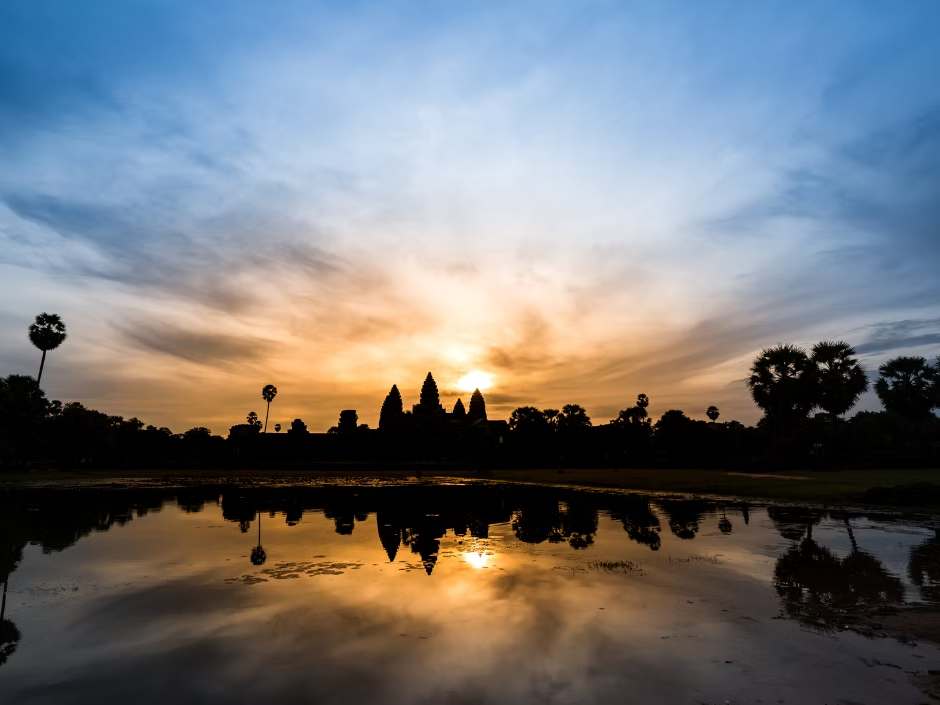
2. A Sunrise to Remember
Watching the sunrise over Angkor Wat is an unforgettable experience. As the first rays of sunlight illuminate the lotus-shaped towers, you’ll witness a scene so breathtaking it feels like stepping into a dream.
3. Spiritual and Cultural Significance
Angkor Wat isn’t just a historic site—it’s still an active place of worship today. You’ll encounter monks in saffron robes, incense drifting through the air, and a sense of serenity that connects the past to the present.
4. Gateway to Angkor Archaeological Park
Beyond Angkor Wat, the surrounding Angkor Archaeological Park boasts dozens of other temples, including the mysterious faces of Bayon Temple and the jungle-covered ruins of Ta Prohm, famously featured in Tomb Raider.
Best Time to Visit
The ideal time to visit Angkor Wat is during the dry season (November to March) when the weather is cooler and perfect for exploring. If you’re looking for fewer crowds and lush greenery, the rainy season (May to October) also offers its own unique charm.
Travel Tips for Visitors
- Dress Modestly: Since Angkor Wat is a sacred site, shoulders and knees should be covered.
- Hire a Local Guide: A knowledgeable guide can bring the carvings and history to life with fascinating stories.
- Start Early: Beat the crowds and the heat by beginning your temple tour before sunrise.
- Stay Nearby: Choose from boutique hotels or luxury resorts in Siem Reap, just a short ride from Angkor Wat.