

Mel
Before Sunrise: The Quiet Beauty of Cambodia’s Temple Morning Rituals
In This Article
Long before the streets begin to fill with motorbikes, market vendors, and the rhythm of daily life, Cambodia is already awake in a different way.
The morning begins softly.
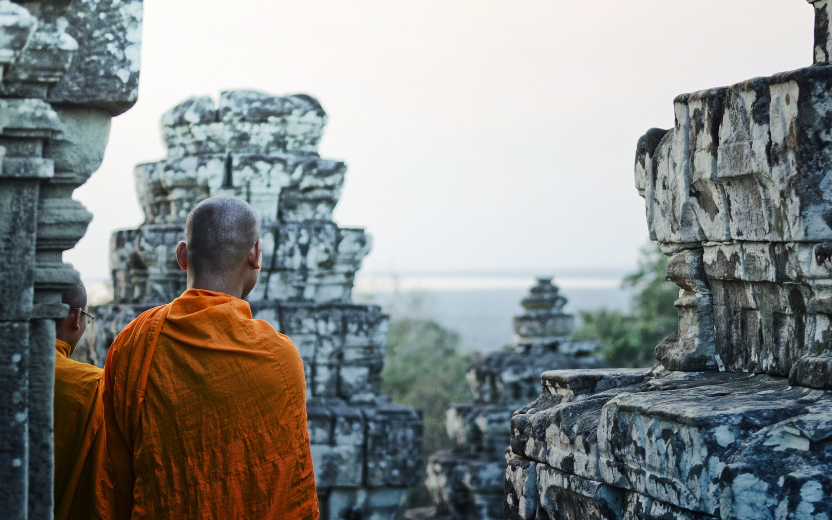
In the pale blue light before sunrise, temple grounds slowly come alive. The air is cooler, quieter, almost suspended in time. Somewhere in the distance, the gentle sound of chanting drifts through the stillness. Incense smoke rises slowly into the dawn sky. Barefoot monks in saffron robes move silently through village paths, carrying alms bowls with calm and grace.
For many Cambodians, this is not a performance or a tourist attraction. It is simply life — a deeply rooted spiritual routine that has existed for generations.
The Sacred Rhythm of Early Morning
Buddhism plays a central role in Cambodian culture, and temples, known locally as wat, are far more than religious buildings. They are places of learning, community, reflection, and connection.
In the early morning hours, monks begin their daily rituals before most people wake up. Some spend time in meditation or chanting inside temple halls illuminated by candlelight. Others prepare for the alms walk, one of the most meaningful traditions in Buddhist life.
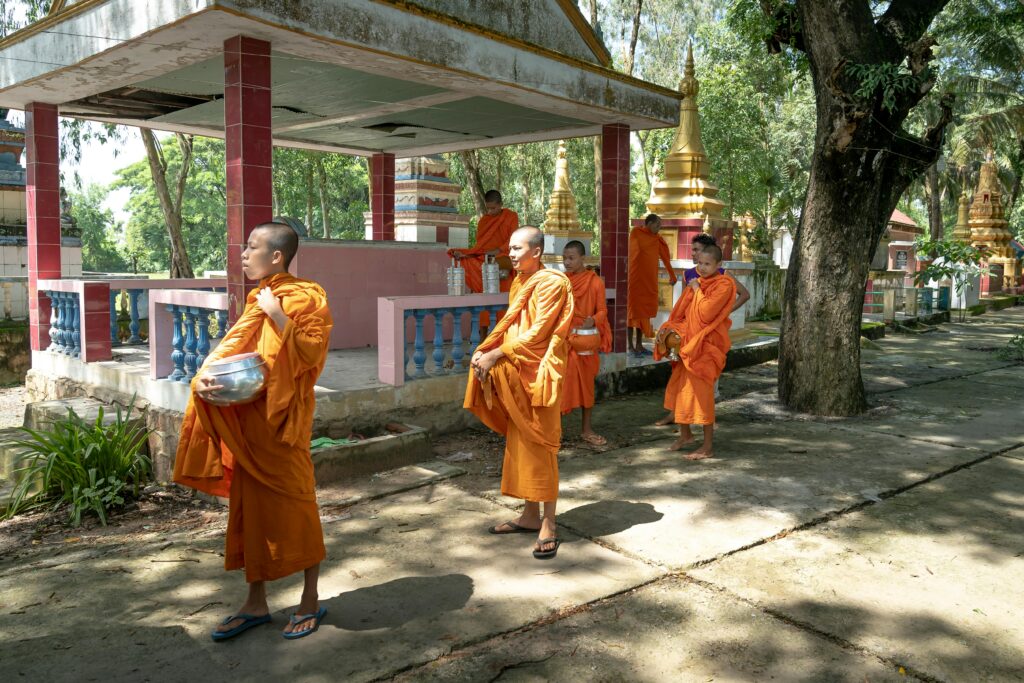
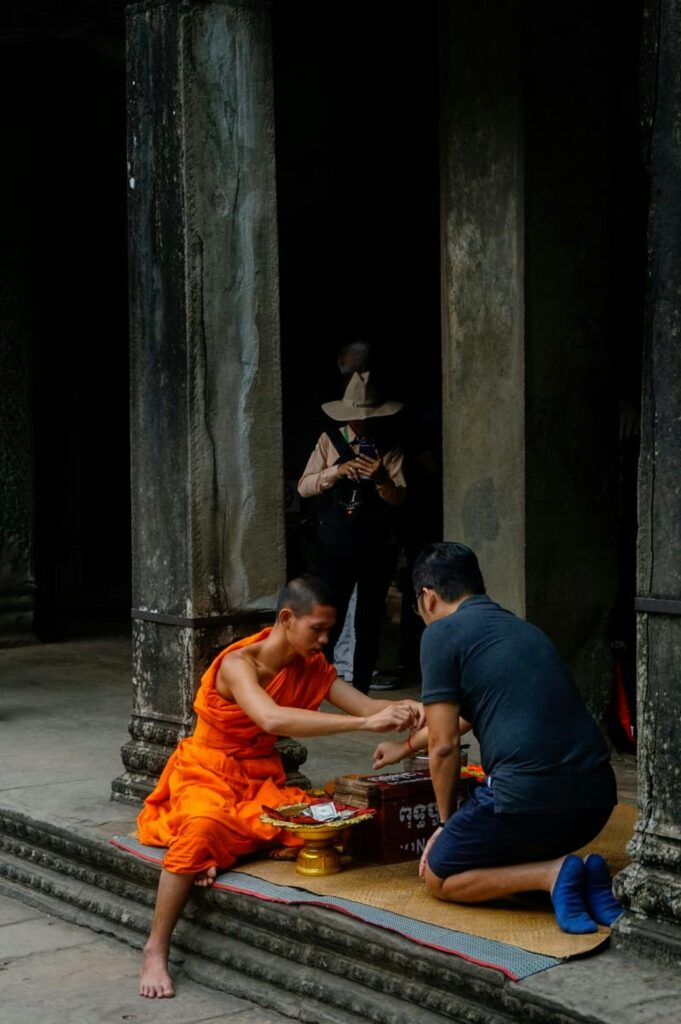
During the alms round, monks walk quietly through neighborhoods while local people offer rice, fruit, or simple meals into their bowls. The exchange itself is peaceful and humble. The monks receive food for the day, while the act of giving allows local families to practice generosity and mindfulness.
There is no rush. No loud conversation. Just a shared understanding carried through silence and respect.
More Than a Ritual
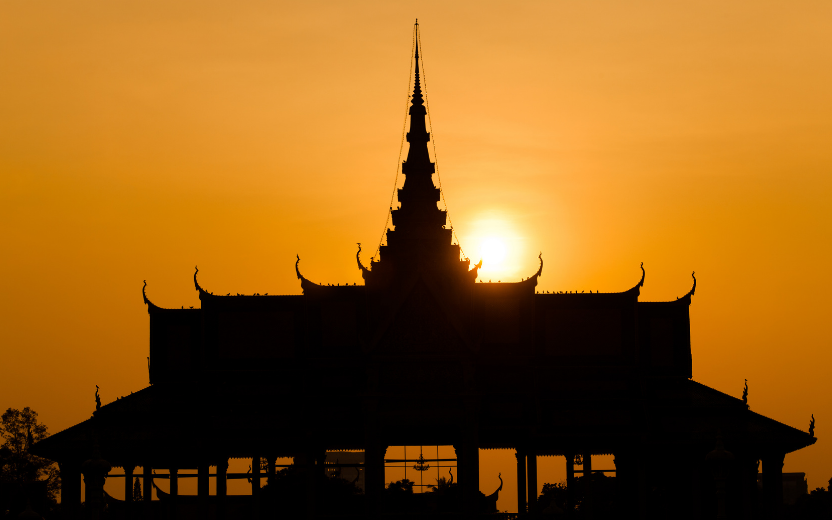
To outsiders, these morning routines may seem beautifully cinematic. But for locals, they carry emotional and spiritual meaning far beyond appearances.
To outsiders, these morning routines may seem beautifully cinematic. But for locals, they carry emotional and spiritual meaning far beyond appearances.
The offering of food is believed to create merit — a positive spiritual act connected to kindness, compassion, and gratitude. Many families participate daily, sometimes with multiple generations standing together outside their homes at sunrise.
Grandparents teach children how to kneel respectfully. Parents prepare fresh rice before dawn. Even in busy cities, these moments continue quietly in the background, preserving a connection to tradition in a rapidly changing world.
It is one of the reasons Cambodia feels so layered as a destination. Beyond the famous temples and historical landmarks, there is a living culture that continues every single morning.
A Different Way to Experience Cambodia
Travel often focuses on what we can see.
But some of the most meaningful moments come from simply observing how people live.
Watching the sunrise over Angkor Wat is unforgettable, but witnessing the quiet rituals that happen before the crowds arrive offers a completely different understanding of Cambodia. There is a softness to it. A sense of patience. A reminder that not every meaningful experience needs noise or spectacle.
Sometimes, connection begins in silence.
Visitors who respectfully observe these morning customs often leave with something unexpected — not just beautiful photos, but a deeper appreciation for the values woven into everyday Cambodian life: humility, generosity, community, and spiritual balance.
The Beauty of Quiet Mornings
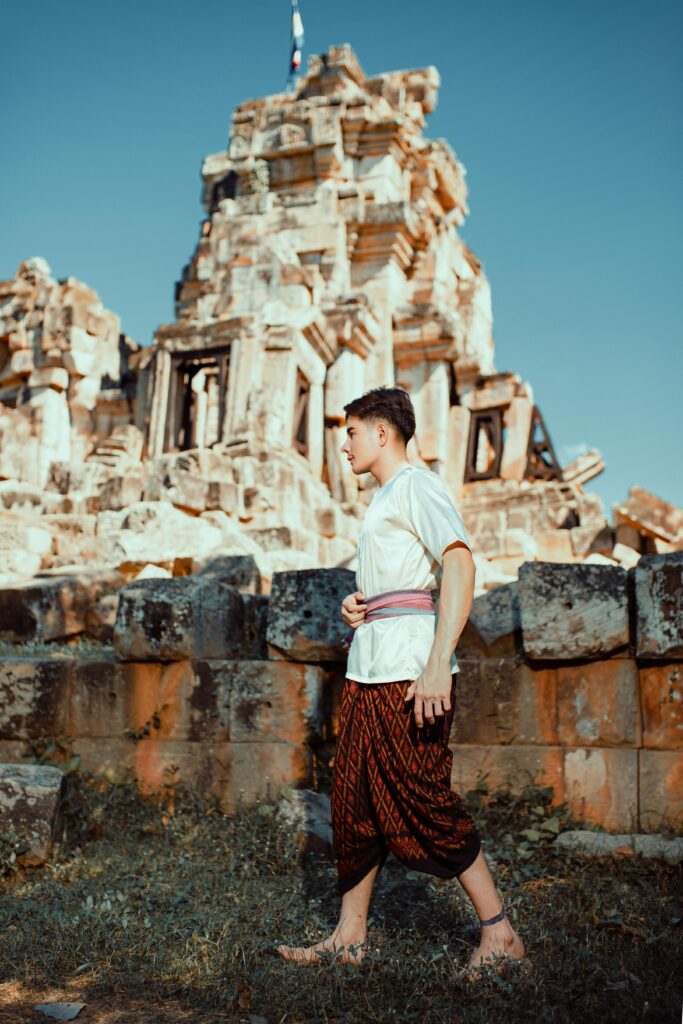
Cambodia is full of energy, movement, flavor, and adventure. But its quieter moments are equally powerful.
The morning rituals inside temples and villages reveal a side of the country many travelers never fully notice — one built on tradition, respect, and human connection carried gently through generations.
And perhaps that is the real beauty of travel.
Not only discovering new places, but understanding the rhythms that shape the lives of the people who call those places home.
Follow MASX for cinematic travel inspirations, hidden gems, cultural facts, and so much more!
Instagram: https://www.instagram.com/masxworld
TikTok: https://www.tiktok.com/@masxworld
YouTube: https://www.youtube.com/@masxworld
Facebook: https://www.facebook.com/share/1C5Ado1tV5/?mibextid=wwXIfr