
Mel
Udaipur: The World Behind the Palace
In This Article
There is something almost unreal about seeing Udaipur for the first time.
White palaces rise above Lake Pichola. The Aravalli Hills surround the city in the distance, while boats drift across water reflecting one of India’s most recognizable royal skylines.
It is easy to look at Udaipur and see romance, grandeur, and the world of kings.
But look beyond the palace, and another story begins to appear.
A Kingdom Called Mewar
Udaipur’s royal history belongs to Mewar, one of Rajasthan’s historic kingdoms. Founded in the 16th century by Maharana Udai Singh II, Udaipur became Mewar’s new capital and, over generations, its rulers expanded the enormous City Palace that still dominates the old city.
Behind its gates was a world shaped by lineage, loyalty, faith, ceremony, family, and power.
Yet that world was never created by a ruler alone.
Artists painted the court. Cooks prepared its tables. Craftspeople shaped the objects and spaces surrounding royal life. Merchants, priests, soldiers, servants, farmers, and families sustained the city beyond the palace walls.
The Maharana may have stood at the center of Mewar’s story, but an entire society made that world possible.
Look Beyond the King
Mewar’s miniature paintings offer a remarkable window into that world.
At first, your eyes naturally find the ruler: seated in court, riding in procession, hunting, attending a religious occasion, or relaxing in a garden.
Look longer and the picture changes.
Musicians appear. Attendants move through the scene. Clothing reveals status. Architecture separates public and private worlds. Gardens, animals, ceremonies, visitors, and servants fill the spaces surrounding the Maharana.
And behind all of them was someone rarely placed at the center of the story: the artist holding the brush.
The ruler was the subject. The artist helped determine how his world would be remembered.
History You Could Taste and Smell
Royal life was experienced through more than architecture.
Regional ingredients passed through palace kitchens, where generations of cooks transformed them for elaborate tables. Music accompanied courtly and religious life. Flowers and fragrance shaped spaces that today we can only imagine.
Mewar paintings even preserve scenes of rulers among rose gardens, including roses gathered for rose water.
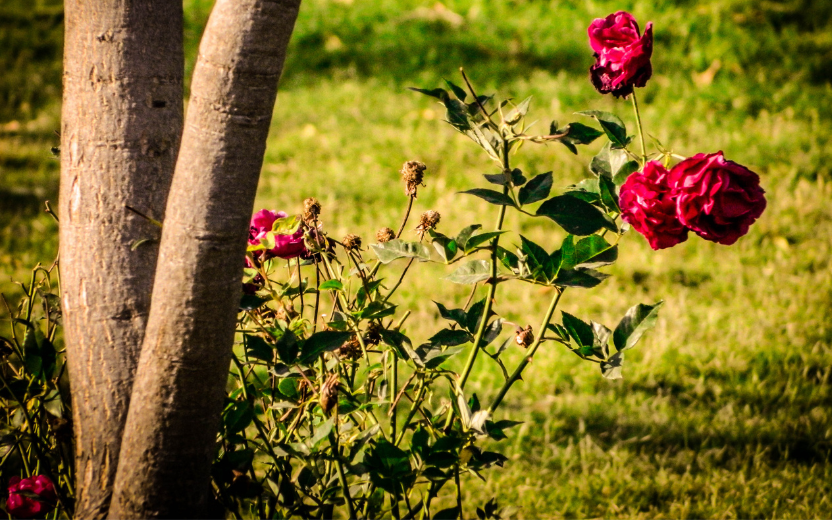
It is a beautiful reminder that history once had a scent.
The palace walls survived. The fragrance disappeared into the air.
When the Palace Lights Come On
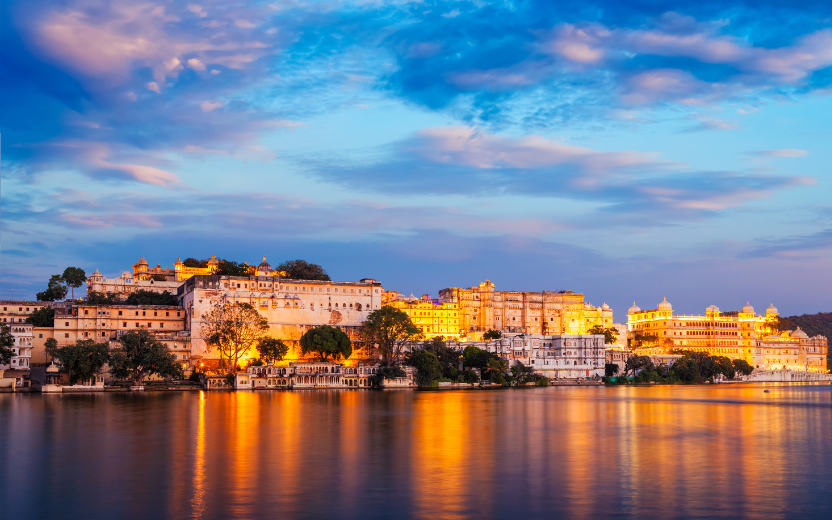
Eventually, Udaipur’s story returns to Lake Pichola.
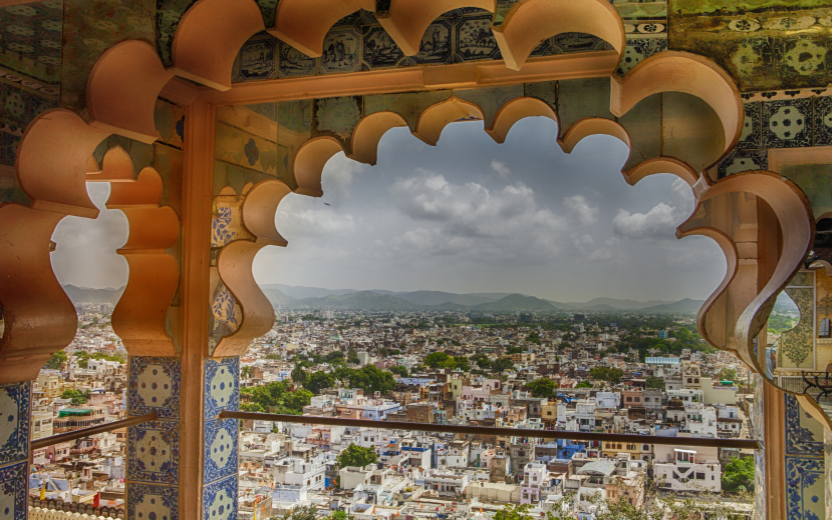
As evening falls, the hills darken and palace lights begin stretching across the water. From the lake, the City Palace looks magnificent.
But perhaps, after knowing something of the world behind it, you see more than a palace.
You imagine the painters, cooks, craftspeople, gardens, ceremonies, markets, and generations of people whose lives unfolded beneath those walls.
The rulers of Mewar are gone.
Their world is not.
Its echoes remain in Udaipur’s paintings, flavors, traditions, craftsmanship, streets, and across a lake that still reflects the palace they left behind.
Would you like to step into the worlds of India’s empires and royal past for yourself? Explore ECHOES OF AN EMPIRE: INDIA with MASX WORLD.