
Mel
What Ikaria’s Longevity Can Teach Us About Living After Dark
In This Article
How connection, movement, music and shared cultural experiences may help us live not only longer, but better.
What if one of the secrets to a longer life begins after sunset?
Not with another supplement, fitness programme or strict wellness routine—but with something humans have done for thousands of years:
Gathering.
Sharing food.
Listening to music.
Moving together.
Laughing, dancing and feeling part of something larger than ourselves.
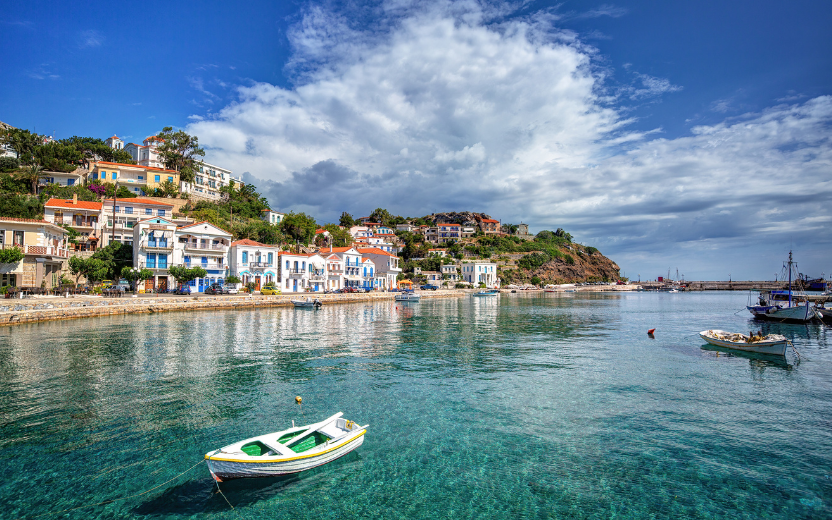
On the Greek island of Ikaria, people are known for living unusually long lives. Many remain active, socially connected and involved in their communities well into old age.
Scientists have studied the island in search of an explanation. There is no single proven secret. Instead, researchers point to a combination of natural physical activity, a traditional Mediterranean diet, strong family relationships, lower social isolation and continued participation in community life.
But there is another part of the Ikarian lifestyle that deserves attention.
Life does not stop when the sun goes down.
Where the Night Still Brings People Together
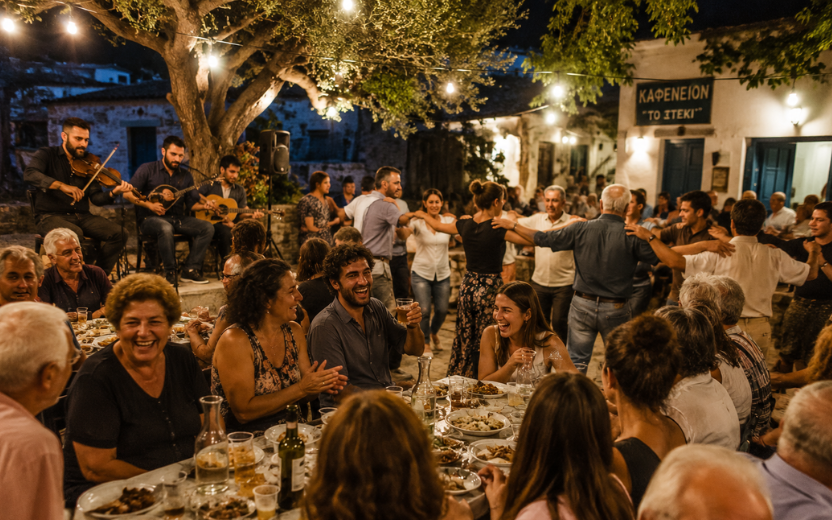
Ikaria is known for traditional village festivals called panigyria.
These gatherings bring entire communities together through shared meals, conversation, live music and dancing—often continuing late into the night or until morning.
The old are not separated from the young.
Visitors do not always remain spectators.
People eat together, move together and participate together.
These festivals are not simply entertainment. They help preserve relationships, traditions and a sense of belonging across generations.
No responsible person can claim that dancing at night causes people to live longer. Ikaria’s longevity is shaped by many interconnected factors, including lifestyle, environment and possibly genetics.
But these gatherings naturally bring together several elements associated with healthier and more fulfilling lives:
Connection.
Movement.
Joy.
Belonging.
Participation.
Relief from isolation.
The lesson is not that everyone should stay out until sunrise.
The lesson is that communities may be healthier when people still have meaningful reasons to gather after sunset.
Movement That Feels Like Living
Modern wellness culture often turns movement into another task.
Count the steps.
Complete the workout.
Measure the calories.
Track the results.
On Ikaria, movement is more naturally built into daily life. The island’s mountainous landscape encourages walking, while gardening, household activity and local routines keep residents physically engaged.
Dancing offers another kind of movement.
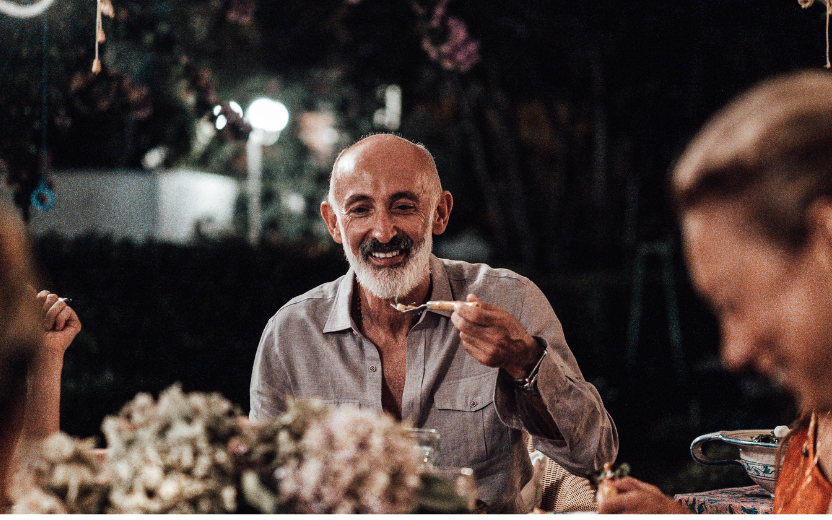
It does not feel like an obligation. It combines physical activity with music, memory, emotional expression and interaction with other people.
It is movement with meaning.
And that distinction matters.
Exercise can strengthen the body.
But movement shared with other people can also create joy, connection and belonging.
It can become culture.
Are We Living Longer—or Simply Existing Longer?
The modern world is fascinated with longevity.
We search for the perfect diet, morning routine, supplement or exercise plan that might add years to our lives.
But what are those additional years worth if they are increasingly isolated, inactive or disconnected?
Perhaps the more important question is not simply:
How can we live longer?
Perhaps it is:
How can we remain connected, curious, involved and fully alive for longer?
Ikaria may offer part of the answer.
Older residents often remain part of family and community life. They still have places to go, people to see and reasons to participate.
They are not treated as though meaningful life has already passed them by.
Longevity should not only be measured by the number of years someone survives.
It should also be measured by how much life those years contain.
Rethinking Life After Dark
Nightlife is often reduced to alcohol, clubs and excess.
That is an incomplete understanding of what happens after sunset.
After-dark culture can include:
Shared evening meals.
Traditional celebrations.
Street food and night markets.
Live music.
Community gatherings.
Late-night cafés.
Religious and cultural rituals.
Dancing in village squares.
Conversations between strangers who might never meet during the working day.
At its best, life after dark is not an escape from culture.
It is culture.
When the working day ends, people slow down. Public spaces change. Food becomes more communal. Music moves beyond headphones. Families and friends gather. Conversations last longer.
A destination often reveals a different side of itself after sunset—one that cannot be fully understood through monuments, museums and daytime tours alone.
Ikaria’s nighttime traditions are not disconnected from everyday life. They are an extension of it.
The night is where relationships continue, traditions are preserved and shared memories are created.
That is not tourism built only around consumption.
It is participation rather than observation.
Connection rather than transaction.
Culture rather than spectacle.
What Modern Life May Be Taking Away
We have never been more digitally connected, yet many people feel increasingly alone.
We eat while looking at screens.
We listen to music privately.
We exercise alone.
We watch other people experience life instead of participating in it ourselves.
Even travel can become something performed for photographs rather than something genuinely lived.
Places like Ikaria remind us of what modern life may be gradually removing:
Eating without rushing.
Walking without measuring.
Dancing without performing.
Speaking with strangers.
Sharing space with people of different ages.
Experiencing music as something communal.
Feeling part of a place, even temporarily.
These moments cannot guarantee better health or a longer life.
But they may reconnect us with some of the conditions that make life feel worth living.
Travel Should Bring Us Back to Life
Travel is often marketed as an escape.
Escape from work.
Escape from routine.
Escape from responsibility.
But perhaps the most meaningful travel does not help us escape life.
Perhaps it brings us back to it.
It places us in unfamiliar surroundings where we become more curious, more present and more open to other people.
It invites us to walk, explore, taste, listen and participate.
It reminds us that life can still feel spontaneous.
That human connection can still happen naturally.
That the world is not something to observe only through a screen.
The Deeper Purpose of After-Dark Culture Travel
At MASX, we believe the hours after sunset reveal something important about a destination—and about people.
This is when communities gather.
Music carries through streets and public squares.
Food becomes a shared ritual.
Strangers begin to speak.
Local traditions become lived experiences rather than items on an itinerary.
This is the foundation of After-Dark Culture Travel.
It is not about staying out simply for the sake of staying out.
It is not about treating destinations as entertainment.
And it is not party tourism.
It is about discovering the cultural, social and human life that emerges after sunset—and participating in it respectfully and meaningfully.
Ikaria may be famous for how long its people live.
But perhaps its greatest lesson is how rarely life there stops being shared.
People gather.
People move.
People participate.
People continue to belong.
We cannot promise that After-Dark Culture Travel will add more years to your life.
But experiences that encourage you to connect, move, participate and feel alive may add more life to your years.
That is why we travel after dark.
Not simply to stay out later.
To live more fully.
MASX World — After-Dark Culture Travel
From Sunset to Sunrise.