


Mel
Kyoto’s Gion Matsuri: Japan’s Festival of Lanterns, Tradition, and Summer Magic
In This Article
A Festival That Transforms Kyoto
Every July, the quiet streets of Kyoto come alive with glowing lanterns, traditional music, and towering festival floats during Gion Matsuri — one of Japan’s most famous cultural celebrations.
For an entire month, the city feels wrapped in history and summer energy, blending ancient traditions with a warm, festive atmosphere that attracts visitors from around the world.
A Tradition Over 1,000 Years Old
Gion Matsuri began more than a thousand years ago as a religious ceremony to pray for protection from illness and disaster.
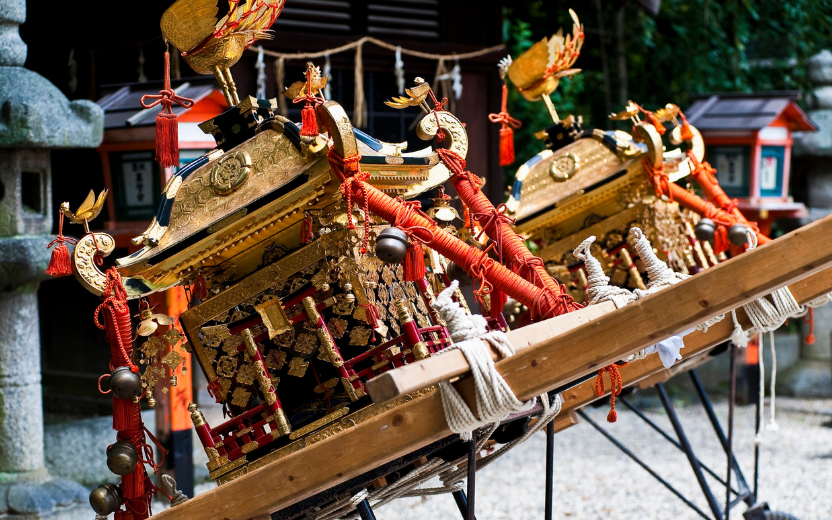
Today, the festival remains deeply connected to Kyoto’s Yasaka Shrine and continues to be proudly preserved by local communities. Families, neighborhoods, and artisans all play a role in keeping the tradition alive each year.
The Famous Giant Floats
The highlight of Gion Matsuri is the spectacular yamaboko parade floats.
Some of these handcrafted floats are several stories tall and decorated with beautiful fabrics, lanterns, wood carvings, and traditional artwork. As they slowly move through Kyoto’s streets accompanied by drums and flutes, the atmosphere feels almost timeless.
Watching the giant floats carefully turn corners using ropes and teamwork is one of the festival’s most exciting moments.
Lantern Nights and Summer Streets
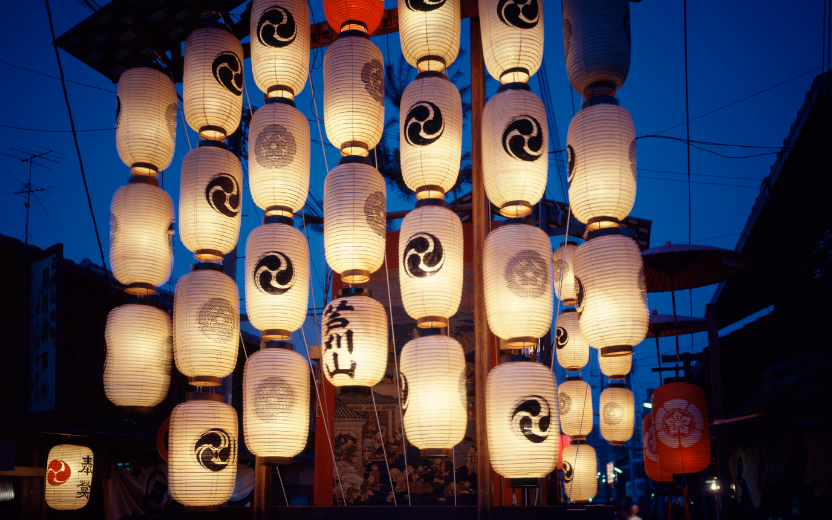
Before the main parade, Kyoto hosts magical evening celebrations called yoiyama.
The streets become pedestrian-only, filled with food stalls, lantern displays, and locals wearing colorful yukata. Visitors can enjoy traditional Japanese snacks, explore hidden alleyways, and experience Kyoto at its most vibrant and welcoming.
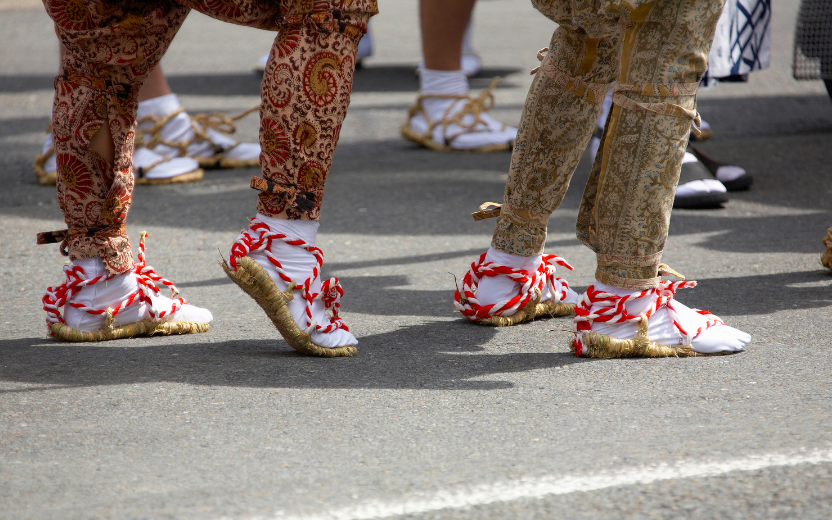
The combination of warm summer air, glowing lights, and festival music creates an unforgettable atmosphere.
More Than a Festival
What makes Gion Matsuri special is not only its beauty, but the feeling of connection it creates.
The festival reflects Kyoto’s deep respect for tradition, craftsmanship, and community. Rather than feeling like a performance for tourists, Gion Matsuri feels like stepping into a living part of Japanese culture.
For many travelers, it becomes one of the most memorable experiences in Japan.